Unrest in Cotonou: A Failed Power Grab
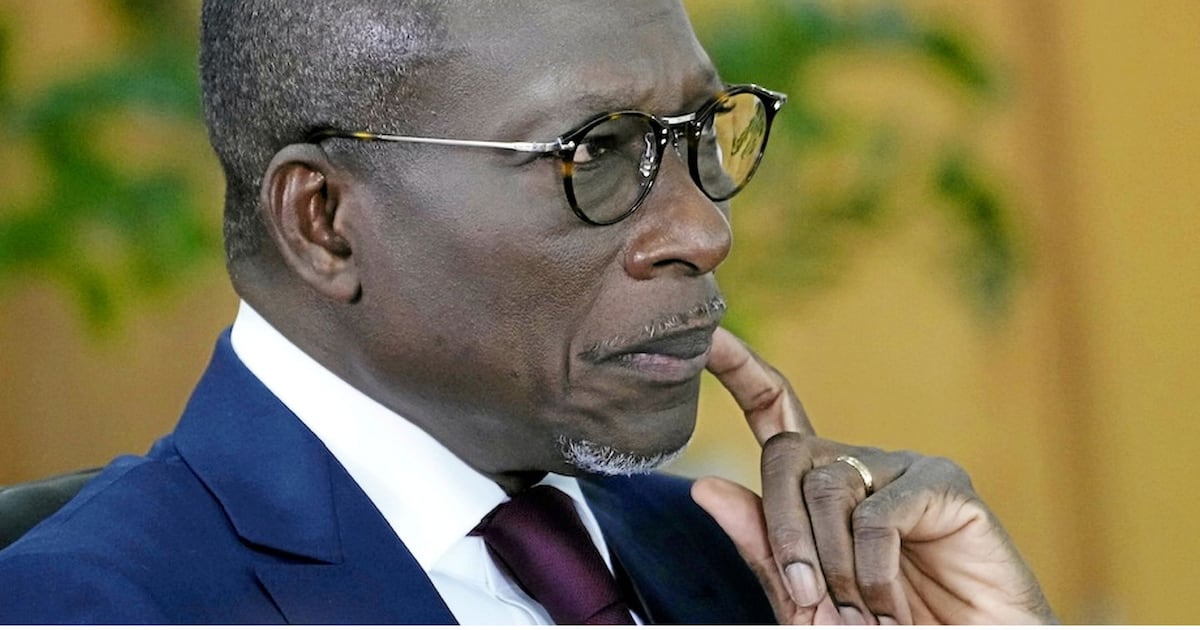
A brazen but short-lived mutiny sent shockwaves through Bénin on Sunday, December 7, 2025, as a faction of soldiers briefly seized control of the national broadcaster, Société Nationale de Radiodiffusion et de Télévision du Bénin (SRTB), in Cotonou. The plotters declared the president removed from office, but loyalist forces swiftly regained control of key installations, thwarting the coup attempt. President Patrice Talon, 67, was promptly secured while mutineers targeted his private residence in the Guézo district before being repelled by elite units. By midday, heavy military presence—including helicopter patrols and roadblocks—had restored calm to the economic capital, though tensions lingered.
President Talon Addresses the Nation
In a televised address that evening, Talon condemned the “grave act of treason” and vowed accountability. He revealed that some individuals remained held by fleeing mutineers and stressed the urgency of stabilizing the situation to protect citizens. Tragically, the wife of General Bertin Bada, the president’s military chief of staff, was killed during the assault on their home in Abomey-Calavi. The general’s daughter was also injured in the crossfire.
Minister of Interior Outlines the Mutiny
Interior Minister Alassane Seidou detailed the morning’s events, stating a “small group of soldiers” attempted to destabilize state institutions. He praised the army’s swift, republican response, noting that the vast majority of troops remained loyal. Foreign Minister Olushegun Adjadi Bakari echoed this, confirming arrests of a dozen soldiers, including alleged ringleaders and a discharged former serviceman.
Mutineers’ Demands and Escalation
The insurgents, allegedly linked to mercenaries, first targeted high-ranking officers’ homes before advancing toward the presidential palace and broadcasting facilities. In a televised declaration, they claimed to act under Lieutenant-Colonel Pascal Tigri, announcing the dissolution of constitutional bodies and the formation of a “Military Committee for Refoundation.” Tigri accused Talon’s administration of suppressing democratic rights, citing restrictive laws, forced exile of opponents, and arbitrary arrests. The U.S. and French embassies issued security alerts for their nationals in the Guézo district.
Loyalist forces quickly counterattacked near the presidential marina, securing the area and deploying air support. Nigeria contributed fighter jets and ground troops to reinforce Bénin’s defense, per the government’s request.
Chaos in the Capital: Rumors and Reality
For hours, misinformation spread via social media as authorities delayed official statements. By afternoon, gunfire subsided, and police occupied key intersections. Residents in districts like Cimetière PK-14 described a tense standoff: “No one knows what’s really happening,” said one witness. The incident shattered Bénin’s reputation as a bastion of stability in West Africa, joining a wave of coups in neighboring nations like Niger, Burkina Faso, and Guinée.
Regional Condemnation and Military Deployment
The African Union and Economic Community of West African States (ECOWAS) roundly condemned the coup attempt. The AU’s Chair, Mahamoud Ali Youssouf, demanded the mutineers stand down immediately. ECOWAS authorized the rapid deployment of a standby force from Nigeria, Sierra Leone, Côte d’Ivoire, and Ghana to support Bénin’s constitutional order.
Election Looms: Talon’s Legacy and Reform Controversy
With April 2026 elections approaching, Talon’s second term nears its end. His coalition, led by Finance Minister Romuald Wadagni, has been designated his successor, though a recent constitutional amendment—extending presidential terms to seven years—has sparked backlash. Critics argue the reform, along with opposition candidate disqualifications, undermines democracy. Meanwhile, northern Bénin faces growing jihadist threats, with 54 soldiers killed in April 2025.
Analysts suggest the mutineers’ grievances reflect deeper military and political fissures, leaving unanswered questions about possible external instigators.