
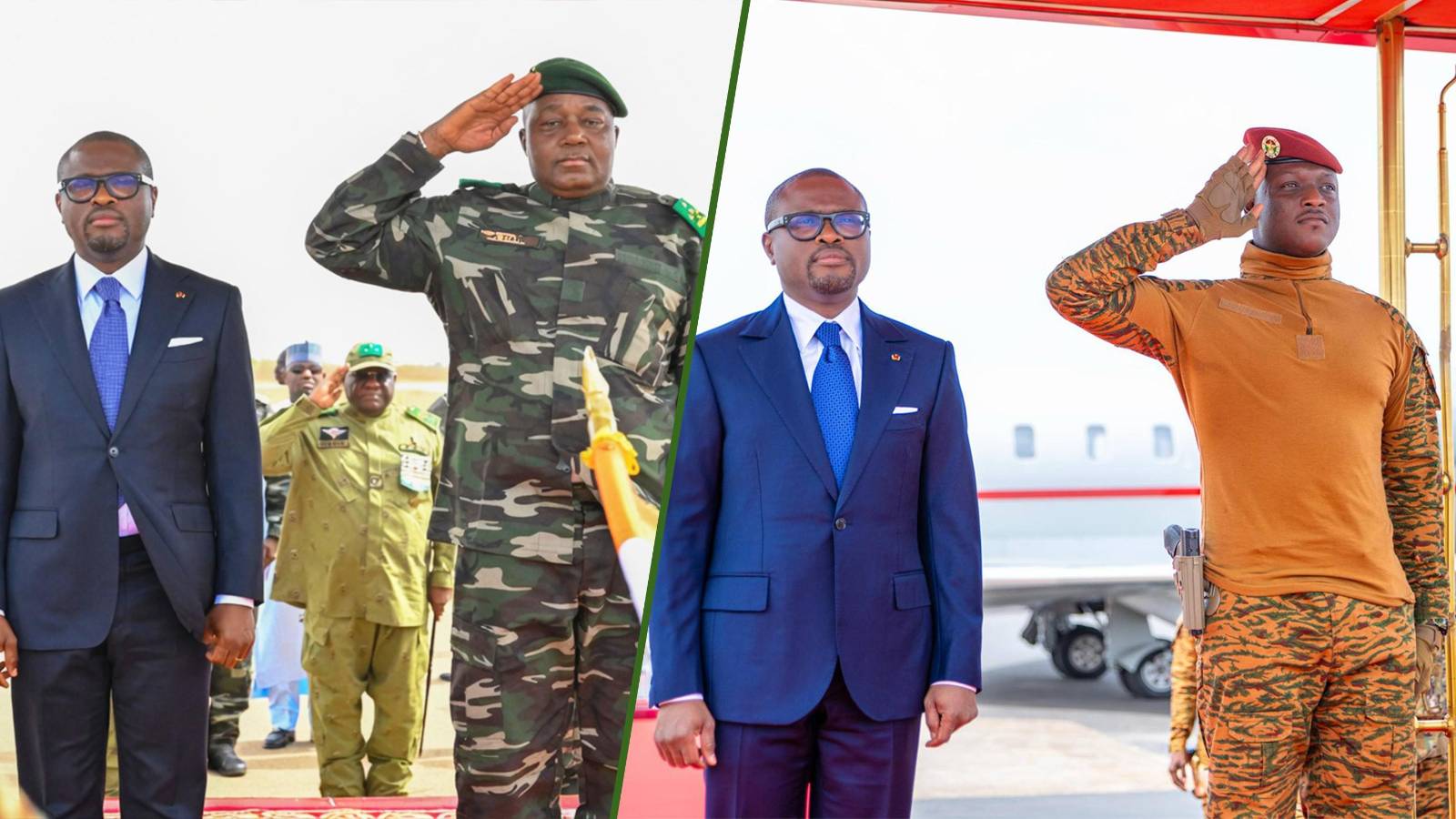
In a significant shift signaling renewed regional cooperation, the President of Bénin, Romuald Wadagni, has embarked on high-level diplomatic missions to Nigeria, Niger, and Burkina Faso. These visits mark a critical phase in restoring and strengthening bilateral and multilateral relations that have been strained by recent political transitions and regional dynamics.
This strategic realignment is not merely diplomatic protocol—it reflects deep-rooted economic and security interdependencies that define the future of West Africa’s interconnected economies. As traditional regional frameworks face recalibration, these direct engagements are reshaping how states navigate shared challenges and opportunities.
economic linkages that transcend borders
The economic fabric of Bénin, Niger, and Burkina Faso is woven together by necessity. For landlocked Niger and Burkina Faso, access to global markets hinges on transit through coastal nations, with Bénin serving as a vital hub. The Cotonou-Niamey corridor and supply routes to Ouagadougou are lifelines, ensuring the flow of essential goods and commodities across the Sahel.
Conversely, Bénin’s economic vitality—particularly the throughput of the Port of Cotonou and the efficiency of its logistics sector—relies heavily on trade flows to and from its Sahelian neighbors. The energy sector further exemplifies this interdependence: the Agadem-Sèmè-Kpodji pipeline binds the three nations together. Niger leverages Bénin’s infrastructure to export crude oil, while Bénin benefits from transit revenues generated by the Nigerien supply chain. A joint expert committee has been tasked with identifying and removing trade barriers within 15 days, underscoring the urgency of preserving these mutually beneficial economic arteries.
securing shared spaces against evolving threats
The rise of armed non-state actors and transnational crime has created a security landscape where no nation can act alone. The tri-border region encompassing Bénin, Niger, and Burkina Faso—anchored by the critical Parc W area—demands coordinated action. The resurgence of direct security dialogue between these nations is more than symbolic; it enables real-time intelligence sharing, resolves operational misunderstandings, and reactivates joint patrols and monitoring mechanisms.
This renewed cooperation is not optional—it is a strategic imperative. The stability of Bénin’s borders and the safety of its people are directly linked to the security posture of its neighbors. By rebuilding these channels of communication and joint action, the three countries are positioning themselves to address asymmetric threats more effectively than through isolated efforts.
balancing regional commitments with pragmatic engagement
The timing of these diplomatic overtures is deliberate. The initial engagement with Nigeria—a central node in the ECOWAS framework—followed by visits to Niger and Burkina Faso, signals a strategic pivot. These efforts aim to harmonize bilateral interests with broader regional commitments, particularly in light of shifting alliances such as the Alliance of Sahel States (AES).
In a rapidly evolving geopolitical environment, maintaining direct negotiation channels is not just advantageous—it is essential. It reduces systemic risk, stabilizes economic flows, and enhances the security of local populations. This renewed engagement reflects a mature understanding: in today’s Sahel, sovereignty and interdependence are not opposing forces, but complementary pillars of sustainable development.
