
In both Cameroon and the Democratic Republic of Congo, efforts to regulate the gold mining sector have fallen short, with revenues increasingly disappearing from state coffers. This conclusion emerges from a recent report by the Institute for Security Studies (ISS).
According to the Extractive Industries Transparency Initiative (EITI), Cameroon officially reported exporting just 22 kilograms of gold in 2023, while importers claimed to have purchased 15 metric tons. These discrepancies underscore the urgent need for greater transparency and accountability among both domestic and international mining operators.
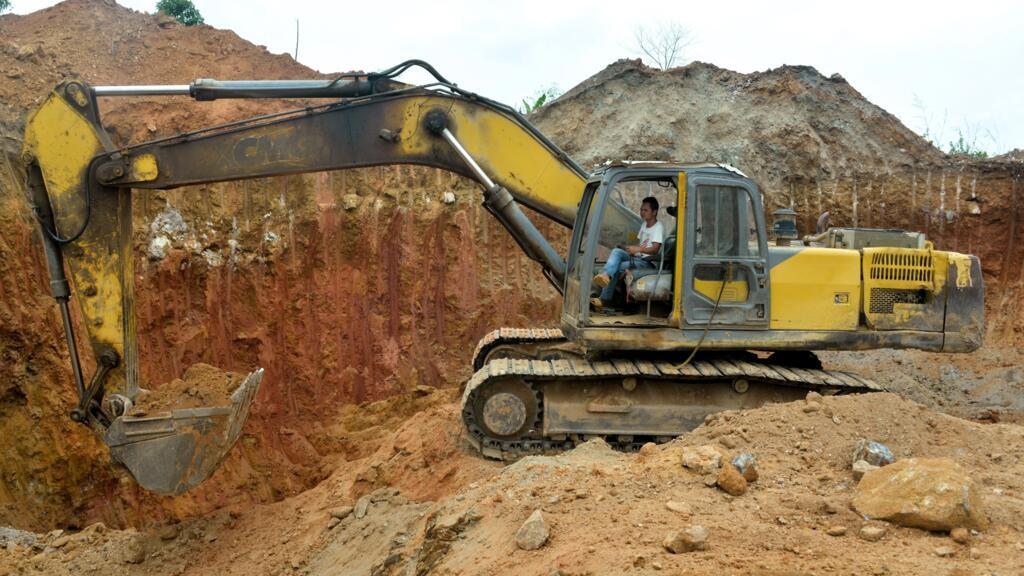
Transparency failures in gold sector governance
While governments in Cameroon and the DRC have introduced reforms aimed at tightening oversight, these measures remain inadequate. The ISS report reveals systematic underreporting of gold production and exports, allowing revenues to bypass official channels. The EITI data from 2023 shows a stark contrast between declared exports and actual trade volumes, raising serious questions about compliance and governance.
Professor Aïcha Pemboura, a researcher at the ISS’s Observatory on Organized Crime and Violence in Central Africa, emphasizes that the current framework lacks the necessary enforcement mechanisms to hold operators—both national and foreign—accountable for discrepancies in reported gold flows.
Call for stronger oversight and international cooperation
The situation demands urgent action to:
- Enforce stricter auditing protocols for gold extraction and trade.
- Implement real-time tracking systems to monitor production and export volumes.
- Strengthen penalties for non-compliance with transparency standards.
- Foster regional collaboration to address cross-border gold smuggling and tax evasion.
Without these measures, the gold sectors in both countries will continue to hemorrhage revenue, depriving local communities and national budgets of critical resources.
Who bears responsibility?
The responsibility for reform lies with governments, regulatory bodies, and international partners. Professor Pemboura stresses that transparency must extend beyond declarations to include verifiable third-party audits and public disclosure of all gold transactions. Only then can trust be restored in these vital economic sectors.