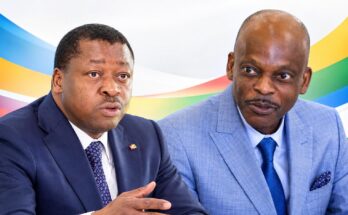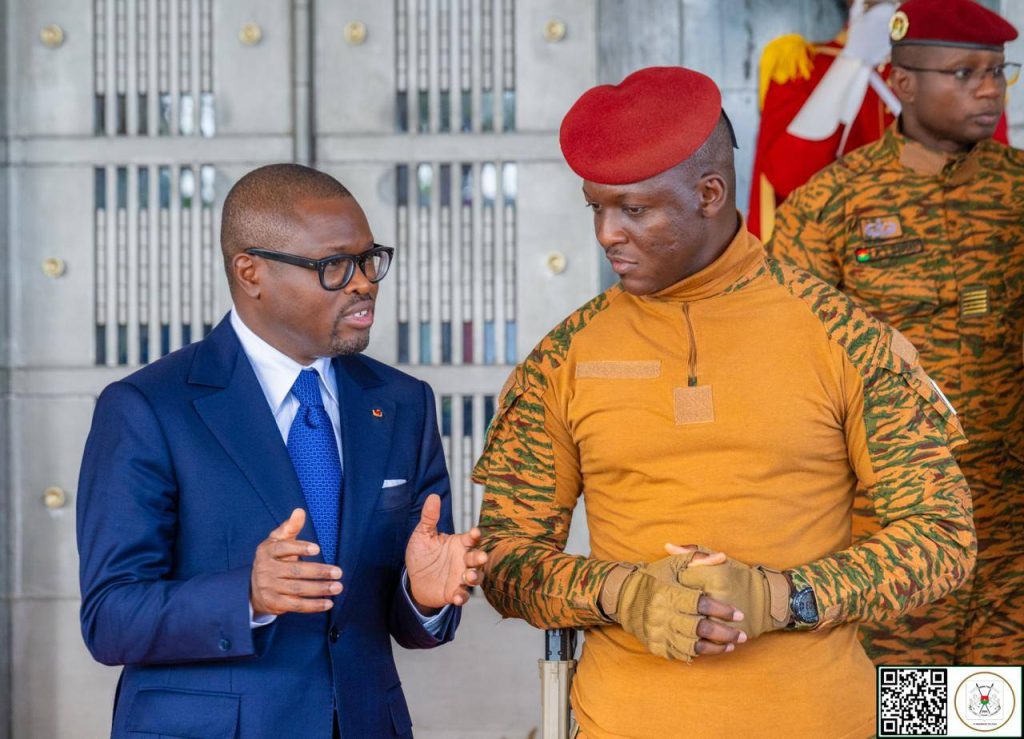
On June 2, 2026, Romuald Wadagni, President of Bénin, embarked on a high-level diplomatic mission to Ouagadougou, underscoring a pivotal moment in the revitalization of Bénin–Burkina Faso relations. Far beyond the formalities of state visits, this meeting between the Beninese leader and Captain Ibrahim Traoré of Burkina Faso signals a deeper commitment to bilateral cooperation amid shifting regional dynamics.
Reinvigorating a strategic partnership
The timing of the visit is particularly noteworthy, as it follows a period of evolving geopolitical alignments in the Sahel. Both nations, facing shared security and economic challenges, are prioritizing stronger ties to foster stability and mutual growth. The discussions in Ouagadougou explored avenues for enhanced trade, infrastructure development, and collaborative security initiatives—key pillars for sustainable development in West Africa.
Economic and security priorities
Trade facilitation emerged as a central theme during the talks. Bénin and Burkina Faso are exploring ways to streamline cross-border commerce, including the easing of customs procedures and the expansion of transit corridors. This aligns with both countries’ goals to boost regional integration and reduce logistical bottlenecks that hinder economic progress.
Security cooperation also took center stage, with a focus on joint border patrols and intelligence-sharing mechanisms. The increasing presence of non-state armed groups in the Sahel has made cross-border security a shared priority, prompting both governments to strengthen their collaborative efforts.
Diplomatic momentum builds
The visit by President Wadagni is part of a broader diplomatic push to restore confidence and rebuild trust between the two neighboring nations. High-level exchanges like this one are essential in reinforcing political solidarity and addressing lingering tensions that have occasionally strained relations in the past.
As both countries navigate complex regional challenges, this renewed partnership holds promise for greater economic resilience and collective security. The outcomes of these discussions will be closely watched by regional observers, who see this engagement as a model for other West African nations seeking to strengthen their alliances.