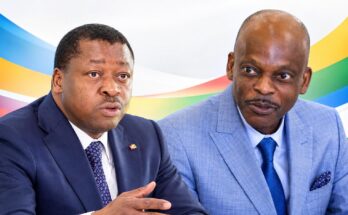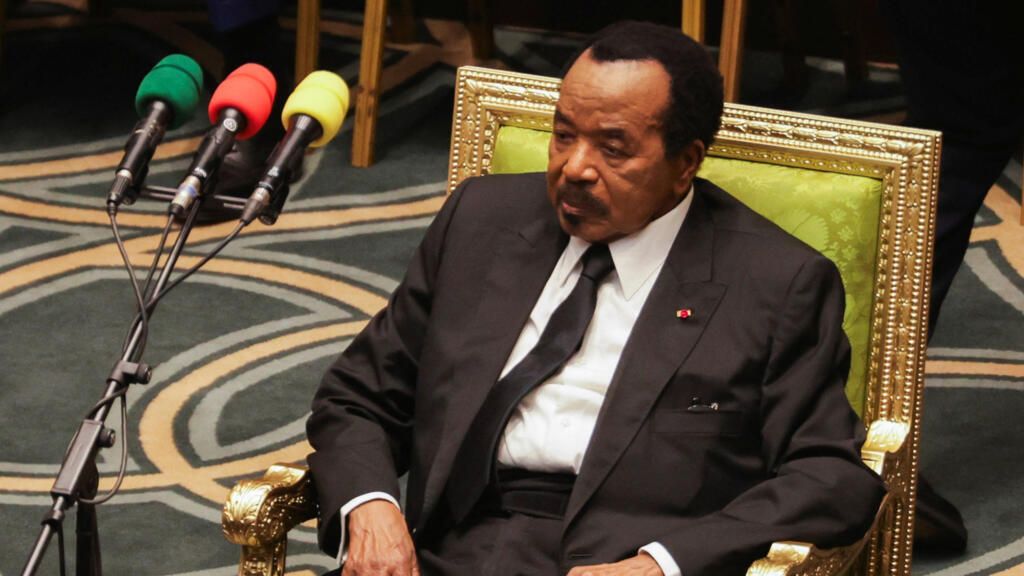
The President of Cameroon has appointed fourteen new members to the country’s Superior Council of the Judiciary, a body that had been dormant for nearly six years. This move is expected to revitalize a judicial system that has been largely paralyzed during this period, leaving numerous critical functions in disarray.
The newly appointed members, announced on June 2, will serve a five-year term, a period that judicial stakeholders hope will bring much-needed dynamism to the institution. The Superior Council of the Judiciary, chaired by the President himself, plays a pivotal role in regulating and overseeing Cameroon’s justice system. Its prolonged inactivity has had far-reaching consequences, including the suspension of magistrate integrations and the freezing of career advancements for sitting judges.
Judicial system at a standstill
One of the most pressing issues stemming from the council’s dormancy is the halt in the integration of newly trained magistrates. Hundreds of professionals who completed their training in the past six years have been unable to begin their careers, leaving a significant gap in the judiciary. Additionally, the freezing of appointments for both sitting judges and prosecutors has stalled career progression and disrupted the management of judicial personnel across the country.
What’s next for Cameroon’s judiciary?
Beyond addressing the immediate backlog of judicial appointments, observers are speculating that these nominations could signal further changes on the horizon. For months, the nation has been awaiting the formation of a new government, as well as the appointment of a Vice President—a position created in April but still vacant. These developments, combined with the council’s reactivation, suggest a potential shift toward renewed institutional activity.