Unusual courtroom drama unfolds in Kinshasa
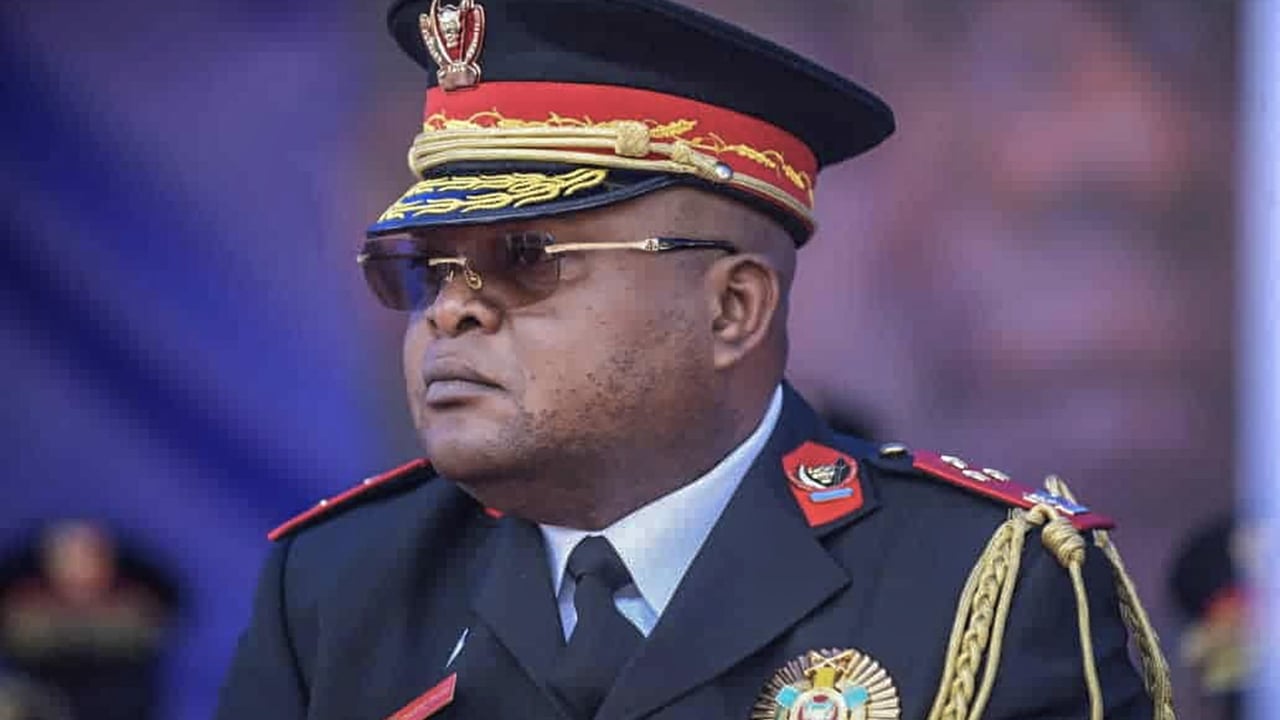
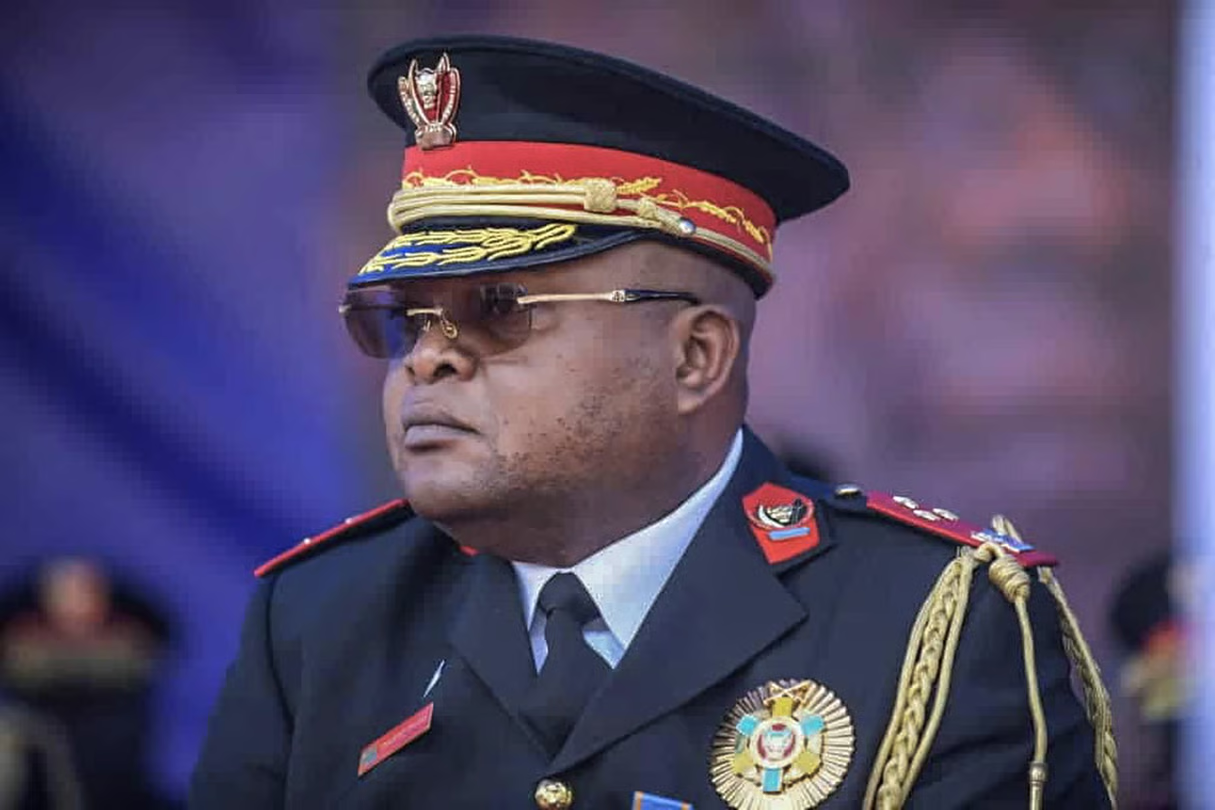
The Democratic Republic of Congo is currently witnessing an extraordinary judicial spectacle in its capital, Kinshasa. At the center of this high-stakes legal battle is General Christian Tshiwewe Songesa, a prominent military figure whose career spans the administrations of two influential Congolese presidents. The proceedings have captivated national attention and raised critical questions about the integrity of the nation’s legal system.
The trial, which has been described by legal experts as unprecedented in its scale and complexity, focuses on allegations against the general, whose tenure as Chief of Staff of the Armed Forces of the Democratic Republic of Congo (FARDC) under President Félix Tshisekedi was marked by significant military reforms and strategic decisions. Observers note that the case could set a historic precedent for how high-ranking officials are held accountable in the DRC.
The trial’s proceedings have been anything but ordinary. From dramatic testimonies to unexpected legal maneuvers, each session has unfolded like a chapter from a political thriller. Legal analysts suggest that the outcome of this case may reshape the balance of power within the country’s military and political circles.
Key figures and their roles in the unfolding drama
The trial has brought together a cast of influential figures, each playing a pivotal role in the narrative. At the forefront is General Christian Tshiwewe Songesa, whose military leadership during a turbulent period in Congolese history has now become the subject of intense scrutiny.
Félix Tshisekedi, the current President of the Democratic Republic of Congo, finds himself indirectly entangled in this judicial saga. His administration’s policies during the general’s tenure are under examination, with critics and supporters alike questioning the implications for the country’s future. The trial has also reignited debates about the legacy of Joseph Kabila, Tshisekedi’s predecessor, whose own leadership era remains a contentious topic in Congolese politics.
The legal team representing the prosecution has emphasized the importance of transparency and fairness, while the defense has mounted a vigorous counterargument, challenging the validity of the charges. The tension in the courtroom mirrors the broader societal divisions in the DRC, where trust in institutions remains fragile.
Why this trial matters for the future of the DRC
This trial is more than a legal proceeding; it is a litmus test for the Democratic Republic of Congo’s commitment to justice and rule of law. The case has exposed deep-seated issues within the country’s judicial system, including concerns about political interference and the independence of the judiciary.
For ordinary citizens, the outcome of this trial could signal whether the nation is moving toward greater accountability or deeper entrenchment of unchecked power. The military, a cornerstone of stability in the DRC, is also watching closely, as the verdict may influence its future role in governance and national security.
International observers have taken note of the trial, with some foreign governments and human rights organizations expressing concerns about the fairness of the proceedings. The global spotlight on the DRC underscores the significance of this case not just domestically, but on the world stage as well.
A nation at a crossroads
The Democratic Republic of Congo stands at a pivotal moment in its history. The trial of General Tshiwewe Songesa is not merely about one man’s actions; it is about the soul of a nation. Will the DRC embrace a future defined by justice, transparency, and accountability? Or will it succumb to the forces of instability and impunity that have long plagued its institutions?
The answers to these questions are being written in the courtrooms of Kinshasa, where every witness, every ruling, and every decision carries the weight of a nation’s aspirations. As the trial continues, the eyes of the world remain fixed on the Democratic Republic of Congo, waiting to see whether justice will prevail.