Senegal’s President Faye: democracy must not be seized like a prize
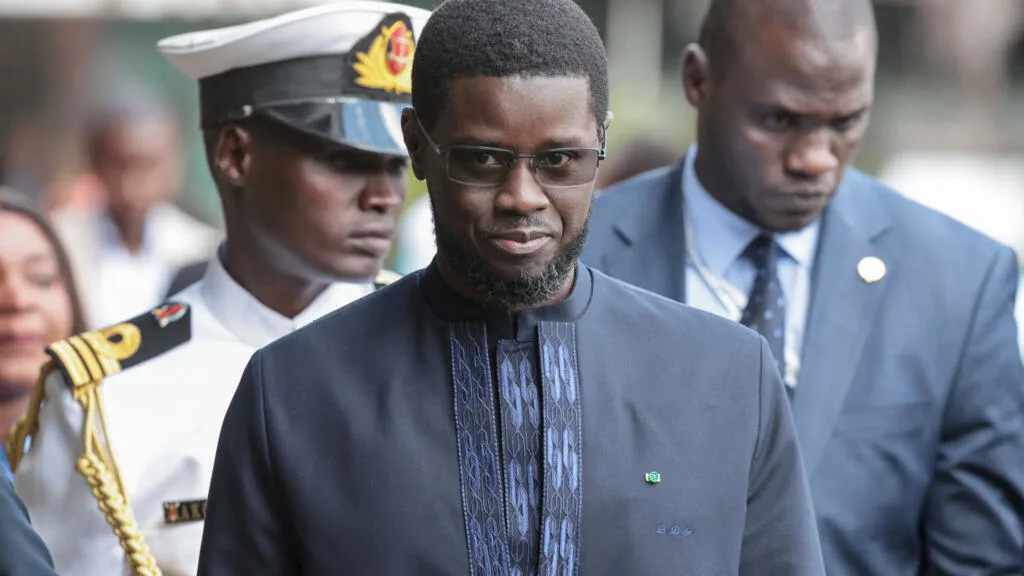
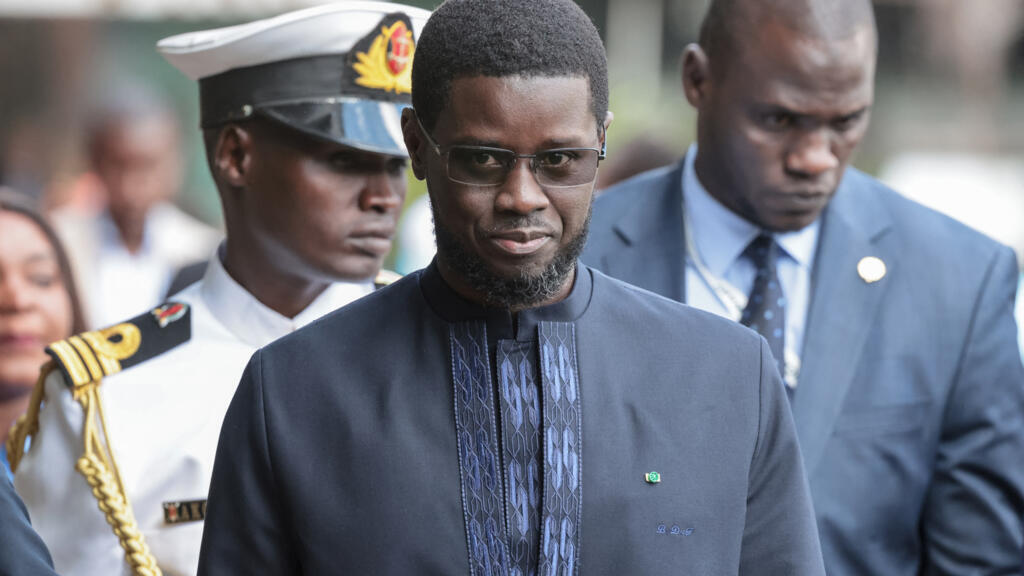
At a solemn national tribute ceremony honoring former President Abdoulaye Wade on his 100th birthday, President Bassirou Diomaye Faye delivered a message that resonated deeply across Senegal’s political landscape. Speaking before dignitaries in Dakar’s Grand Theatre, Faye addressed the nation’s ongoing political divisions with a powerful reminder: democracy is not a prize to be seized but a flame to be passed forward.
“A dispute, no matter how intense, must never tear apart the nation we share,” the President declared. His words came at a critical juncture, following his recent decision to remove former Prime Minister Ousmane Sonko from office on May 22 after months of escalating tensions between the two former allies.
A call for unity in divided times
Faye’s speech at the tribute to Abdoulaye Wade—who led Senegal from 2000 to 2012—served as both homage and subtle political statement. He invoked Wade’s legacy to emphasize that political opponents remain compatriots, not enemies. “Wade taught us that today’s adversary is not tomorrow’s enemy,” Faye stated. “They are fellow citizens who see the country differently, with whom we must learn to coexist peacefully once the political battle has ended.”
The President’s remarks drew sustained applause from the audience, particularly when he implicitly referenced the current political uncertainty and the fracture with Sonko. Just two days prior, Sonko—now President of the National Assembly—had framed the situation as a “cohabitation,” declaring that Faye “does not hold all the power” and urging him to “come down from his pedestal and talk.”
Faye acknowledged Wade’s wisdom in believing that “serving the youth is always better than using them,” a clear nod to the generational shift currently reshaping Senegal’s political arena. His call for restraint and national cohesion stood in stark contrast to the growing polarization gripping the country.
“We can oppose each other without tearing each other apart,” he affirmed, reinforcing the idea that political rivalry must never eclipse the greater responsibility to the nation.
Related Posts