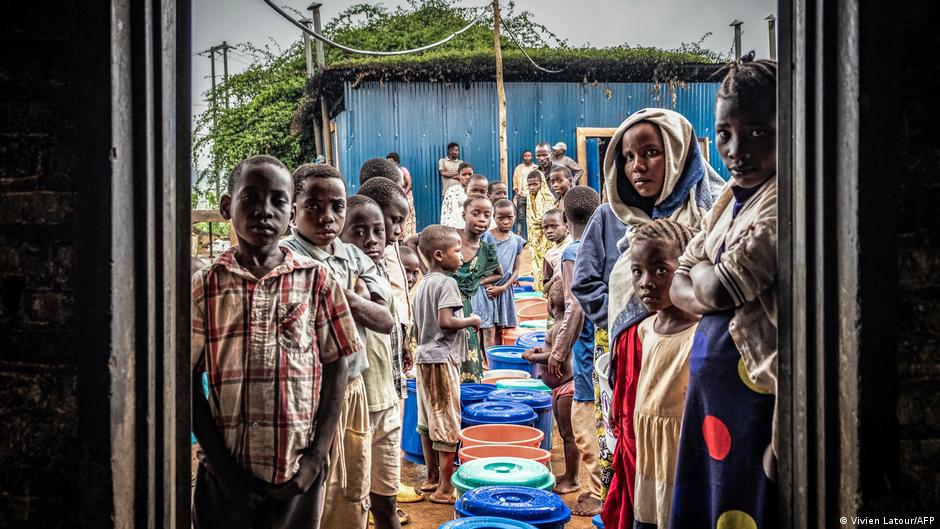
In the eastern regions of the Democratic Republic of the Congo, widespread breaches of international humanitarian law continue to escalate, despite repeated pledges from authorities and international partners. The International Committee of the Red Cross has raised urgent concerns about the escalating disregard for these critical protections, particularly in provinces like North Kivu, South Kivu, and Ituri.
The surge in armed group activity—now surpassing 200 factions—has intensified violence against civilian populations, prompting the ICRC to advocate for stricter enforcement of humanitarian norms. On July 23, the organization convened a high-level conference in Kinshasa to address these pressing challenges and mobilize collective action.
Civilian suffering in the crossfire of unchecked conflict
The humanitarian crisis in eastern DRC remains one of the most severe in the world, with civilians bearing the brunt of relentless violence. Human rights advocate Julienne Lusenge highlights the staggering toll of sexual violence, emphasizing that women and girls are disproportionately affected. She underscores the urgent need for international accountability, noting the lack of prosecutions for such crimes despite their prevalence.
“Sexual violence has affected millions. Every minute, women, girls, and even children—though men are also victims—suffer these atrocities,” Lusenge stated. “The time has come for international sanctions against perpetrators of sexual violence crimes.”
Military justice as a tool for deterrence and education
Lusenge also stressed the importance of strengthening security forces and dismantling armed groups to safeguard civilians. Meanwhile, military justice in DRC reports ongoing prosecutions of soldiers accused of human rights violations. General Jean-Paul Tshayikolo, a military magistrate at the High Military Court, explained how these trials serve both punitive and educational purposes for the armed forces.
“There are good and bad elements within our ranks,” General Tshayikolo noted. “The military’s commitment to accountability is unwavering, though achieving zero impunity remains a challenge. When a soldier is prosecuted, the verdict serves as a lesson for others in military courts. The data speaks for itself.“
Fragmented conflicts undermine humanitarian protections
The proliferation of armed groups in eastern DRC—with shifting alliances and blurred lines between combatants and civilians—complicates efforts to uphold international humanitarian law. The sheer number of factions makes it difficult to identify responsible parties or establish effective dialogue mechanisms. This fragmentation further erodes trust in judicial processes and perpetuates a cycle of violence.
Without decisive action to enforce these laws, the civilian population will continue to face grave risks, and the principles of humanitarian protection will remain dangerously compromised.
Comments are closed, but trackbacks and pingbacks are open.