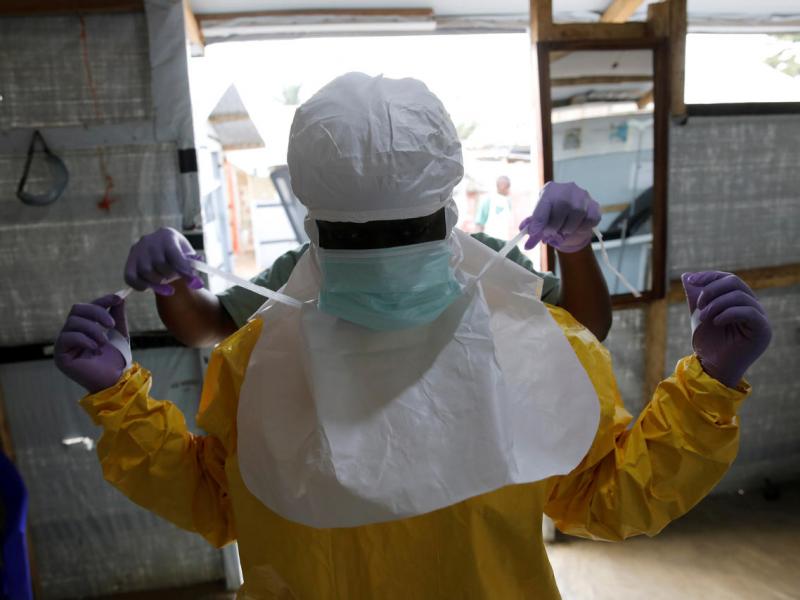
More than a month after the 17th Ebola virus disease outbreak was officially declared in the Democratic Republic of Congo, authorities are tightening response measures. From now on, anyone traveling from affected areas must undergo a mandatory 21-day isolation before moving further within the country or abroad. The government announced this on Wednesday, June 24, 2026, stating that the step is essential to bolster efforts against the epidemic.
“This measure is designed to strengthen existing public health protocols, lower transmission risks, and ensure strict monitoring of individuals who may have been exposed,” the government explained.
The decision comes after an Ebola case was detected in France. The medical NGO ALIMA confirmed that one of its humanitarian doctors tested positive for the virus upon returning to France, following a mission in an Ebola-affected region in the Democratic Republic of Congo.
“The government reaffirms its unwavering commitment to protecting the population and supporting frontline teams, conducting the response with accountability, transparency, and scientific rigor. Together with all partners, we are reinforcing every necessary measure to safeguard Congolese citizens and affected communities across the national territory and within international health cooperation,” authorities stated.
The move comes as the Bundibugyo Ebola outbreak in the DRC continues to worsen. According to the situation report dated Tuesday, June 23, released on Wednesday, June 24, 2026, by the Congolese government, there have been 1,118 confirmed cases and 291 deaths since the outbreak began, yielding a case fatality rate of 26%. The epidemic now spans 34 health zones across three provinces: Ituri remains the epicenter with 22 affected zones, North Kivu is under high surveillance with 11 zones, and South Kivu has recorded three confirmed cases and one death.
Operationally, the Ministry of Public Health, Hygiene and Social Welfare reports that 408 patients are currently in isolation or hospitalized, while 122 recoveries have been recorded overall. The contact tracing rate stands at 77.1% for 8,346 contacts under surveillance. Authorities note this indicates an active system but acknowledge it still falls short of set operational targets.
On May 17, two days after the official outbreak declaration in the Democratic Republic of Congo, the World Health Organization classified the Bundibugyo strain Ebola flare-up—which later spread to Uganda—as a Public Health Emergency of International Concern.
According to the WHO, the outbreak has expanded geographically, and its true scale may be underestimated. Contributing factors include high population mobility, fragile health systems, inadequate health infrastructure, limited access to conflict-affected areas, and the lack of a specific vaccine or treatment for this virus strain.
Despite the worrying situation, Congolese authorities remain measured and reject alarmist narratives. They highlight ongoing collaboration with national and international partners to contain the epidemic and remind that the DRC has successfully managed 16 previous Ebola outbreaks through large-scale response operations.
Comments are closed, but trackbacks and pingbacks are open.