DRC: AFC/M23 and Thomas Lubanga’s CRP/FRP remain unaligned as armed groups and Ituri communities resist alliance
Ongoing instability in eastern Democratic Republic of the Congo (DRC) continues to challenge regional security efforts, particularly in the resource-rich province of Ituri. Recent findings from United Nations expert reports highlight persistent divisions between armed factions vying for influence, with little indication of unified action against government forces.
The Convention for Popular Revolution/Forces for Popular Revolution (CRP/FRP), led by Thomas Lubanga — a former International Criminal Court (ICC) convict and convicted war criminal — has yet to establish formal ties with the Allied Forces of Congo/March 23 Movement (AFC/M23), despite Lubanga’s public endorsement of the group in July 2025. According to the UN panel of experts, as of the latest assessment, no official cooperation has been observed between the two movements.
Internal fractures and limited recruitment success
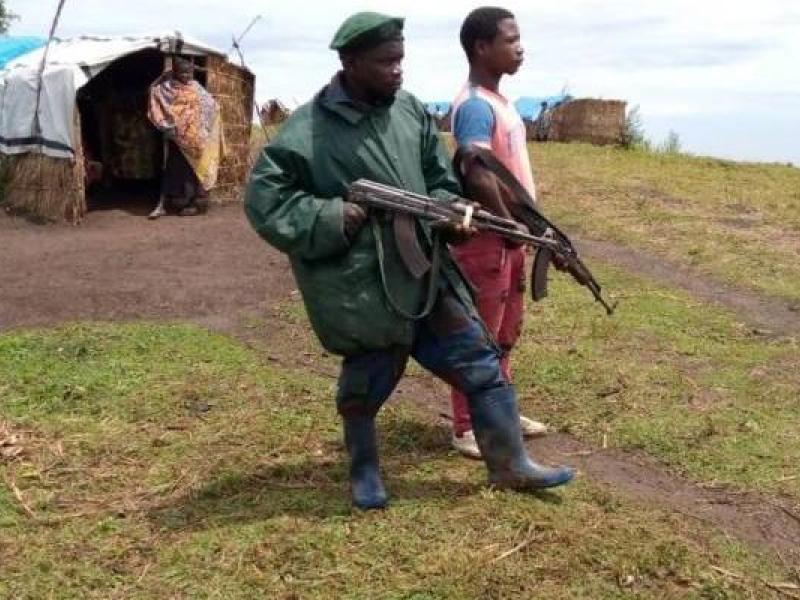
The CRP/FRP, which includes former warlords, political figures, and local leaders from Ituri — many of whom operate in exile in Uganda — has faced significant internal challenges. Recent defections among senior commanders have weakened the group’s cohesion and operational capacity. While initial estimates placed its armed wing at around 300 fighters in late 2025, numbers have reportedly grown to nearly 1,000 combatants. Most recruits come from the Hema community, with some former members of the Zaïre Group joining the ranks. Recruitment efforts have also targeted displaced persons in Ituri and refugee camps in Uganda.
Despite attempts by CRP/FRP leadership to expand influence among the Lendu youth and other local communities, sustained support remains elusive. The group’s political messaging, centered on opposition to what it terms
Comments are closed, but trackbacks and pingbacks are open.