DRC military tightens smartphone ban for frontline troops amid security risks
- Security
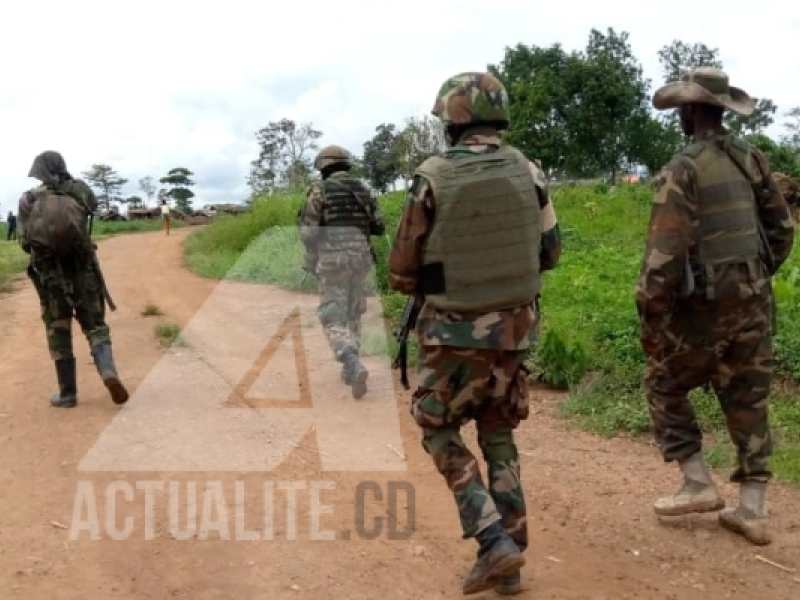
The Armed Forces of the Democratic Republic of the Congo (FARDC) have once again reiterated the ban on unauthorized smartphone use by troops in active combat zones, citing significant security risks. This stern warning comes as military leadership emphasizes the potential dangers posed by careless mobile device usage in operational theaters.
In an urgent advisory issued on July 9, acting FARDC spokesperson Lieutenant-Colonel Mak Hazukay highlighted that even a single smartphone left on or used recklessly could betray troop positions, enabling enemy forces to track movements and launch targeted attacks. The military command has explicitly prohibited soldiers from sharing sensitive operational details—including locations, movements, troop strengths, or combat images—on social media or messaging platforms.
Commanders have urged all personnel to strictly adhere to established communication protocols in combat zones and to immediately report any suspicious device usage that could compromise mission security. The latest directive underscores the critical importance of operational secrecy, with military leadership warning that a single misstep could endanger entire units.
This renewed crackdown follows the circulation of several videos on social media in recent days, featuring Congolese soldiers voicing complaints about conditions in the Fizi and Mwenga highlands of South Kivu, where they face persistent threats from AFC/M23 rebels. Such footage has previously sparked concerns about operational security, prompting multiple prior warnings from army leadership—most notably when front lines were closer to Goma.
Heightened vigilance required in volatile regions
The FARDC’s latest directive reflects growing anxieties over the use of digital communication tools in conflict zones. Military analysts note that smartphones, while ubiquitous, pose an outsized threat in asymmetric warfare scenarios where enemy forces actively monitor communications for tactical advantages. The ban aligns with broader efforts to tighten operational security across eastern DRC, where insurgent groups have demonstrated sophisticated surveillance capabilities.
Commanders emphasize discipline and operational secrecy
Lieutenant-Colonel Hazukay stressed that discipline and adherence to protocol are non-negotiable in combat environments. “Every soldier must recognize that their actions—even seemingly minor ones—can have catastrophic consequences,” he stated. The military leadership has called for renewed focus on core duties while discouraging any behavior that could undermine the safety of personnel or the success of missions.
As operations intensify in South Kivu’s contested territories, the FARDC’s warning serves as a stark reminder of the delicate balance between transparency and security in modern asymmetric warfare.