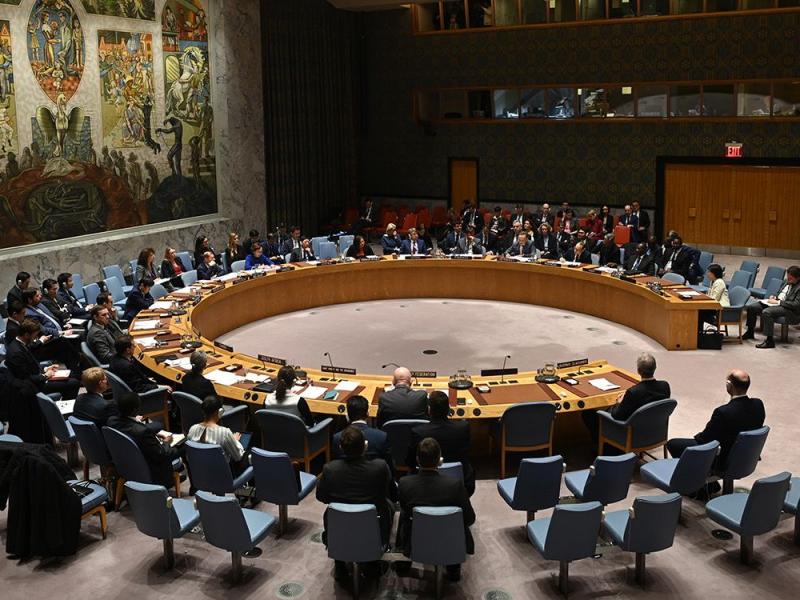
DRC national dialogue: UN urges consensus and freedoms amid political tensions
From the United Nations Security Council podium, MONUSCO chief James Swan delivered a firm political message to Kinshasa today. He urged all Congolese stakeholders to reach agreement on modalities for an inclusive national dialogue while emphasizing the critical need to safeguard civic space and fundamental freedoms—particularly freedom of expression and assembly—to ensure all parties can participate in a peaceful and secure environment.
This urgent appeal carries particular weight as the constitutional debate deepens divisions within the country, and the headquarters of the National Episcopal Conference of Congo (CENCO) was recently targeted by government supporters in the capital.
Security sector reforms gain momentum
The UN diplomat welcomed the establishment of a national commission to oversee security sector reform, alongside the ongoing development of the country’s first-ever National Security Policy, led by the presidency. These initiatives represent concrete steps toward addressing the complex security challenges facing the Democratic Republic of Congo.
Key developments in DRC politics
- National Dialogue Imperative: The UN’s call for consensus comes at a time when political tensions are high, with civil society organizations launching the “Kasangulu Manifesto”—a citizen roadmap for national rebuilding and recovery.
- Constitutional Debate: Political figures continue to voice strong opinions on constitutional reform, with some lawmakers arguing that the current constitution “rewards criminality” while others defend its preservation.
- Security Challenges: The ongoing conflict has exacted a devastating toll, with recent reports highlighting the economic cost of war and renewed attacks by armed groups in eastern DRC.
As the international community watches closely, Kinshasa faces mounting pressure to navigate these turbulent waters through dialogue rather than confrontation, ensuring that the voices of all citizens—regardless of political affiliation—can be heard in shaping the nation’s future.
Comments are closed, but trackbacks and pingbacks are open.