Eastern DRC conflict: China calls for halt to natural resource exploitation as root cause of instability
The Democratic Republic of Congo (DRC)‘s eastern provinces remain mired in conflict, with China warning that the unchecked exploitation of the region’s vast natural wealth is fueling the crisis. Speaking at the United Nations Security Council, Beijing’s ambassador to the UN, Fu Cong, highlighted the urgent need to address the economic drivers of the conflict, which has persisted for decades.
The Chinese diplomat emphasized that while the DRC’s mineral wealth should serve as a foundation for national development, it has instead become a magnet for armed groups and illicit trade networks. “The abundant natural resources of the DRC should have been the bedrock of national prosperity, yet they are systematically plundered,” he stated. “This predation is not merely an economic issue—it is a direct catalyst for the violence and instability gripping the region.”
a call for transparency and regional cooperation
Fu Cong urged the international community to prioritize transparency and accountability in the mining sector, stressing that foreign powers must avoid using the DRC’s resources as leverage in regional disputes. “External actors must refrain from treating the DRC’s natural resources as bargaining chips in geopolitical conflicts,” he declared. “Instead, they should promote open, mutually beneficial cooperation that ensures local communities benefit from their own resources.”
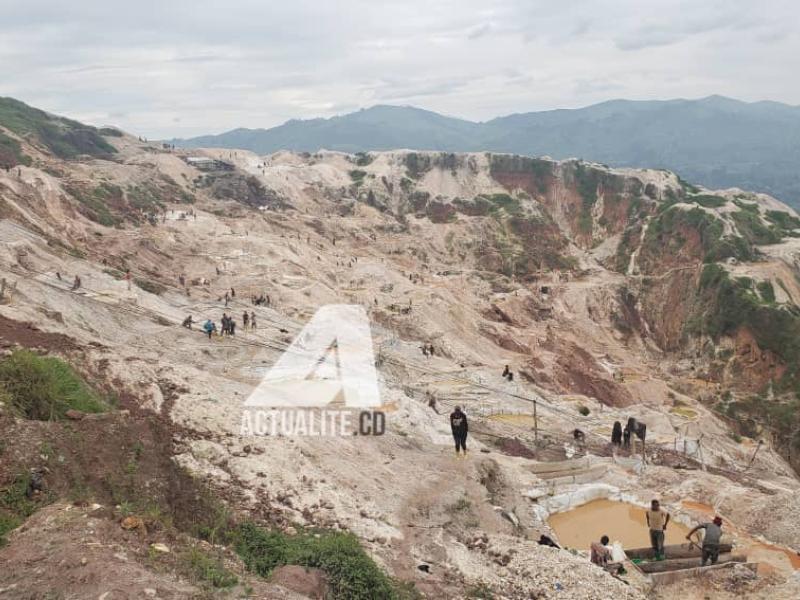
The ambassador also called for stronger support for regional initiatives aimed at restoring peace and stability. He advocated for enhanced cooperation between the DRC and neighboring countries to curb illicit mineral trafficking, which has long been a source of funding for armed groups, including those operating in the mineral-rich areas around Rubaya.
the economic toll of conflict on eastern provinces
The ongoing violence in eastern DRC has exacted a heavy toll on the local economy, with armed factions controlling key mining sites and diverting profits into illegal trade channels. Authorities in Kinshasa have repeatedly pointed to this economic exploitation as a primary driver of the conflict, accusing neighboring states of facilitating the illicit trade in minerals such as gold and coltan.
Efforts to resolve the crisis through diplomatic channels, including the Washington Agreement between the DRC and Rwanda and the Doha Process involving the armed group AFC/M23, have yet to yield significant progress. Both initiatives have struggled to gain traction, with accusations of non-compliance and divergent interpretations of key provisions hindering their effectiveness.
China’s vision for sustainable peace
Beijing has positioned itself as a key advocate for sustainable solutions, proposing that a transparent and inclusive mining governance framework could help break the cycle of violence. The Chinese representative stressed that without addressing the root economic causes of the conflict, efforts to achieve lasting peace would remain elusive.
As the DRC continues to grapple with the dual challenges of security and economic development, the call for international cooperation and responsible resource management has never been more urgent.
Comments are closed, but trackbacks and pingbacks are open.