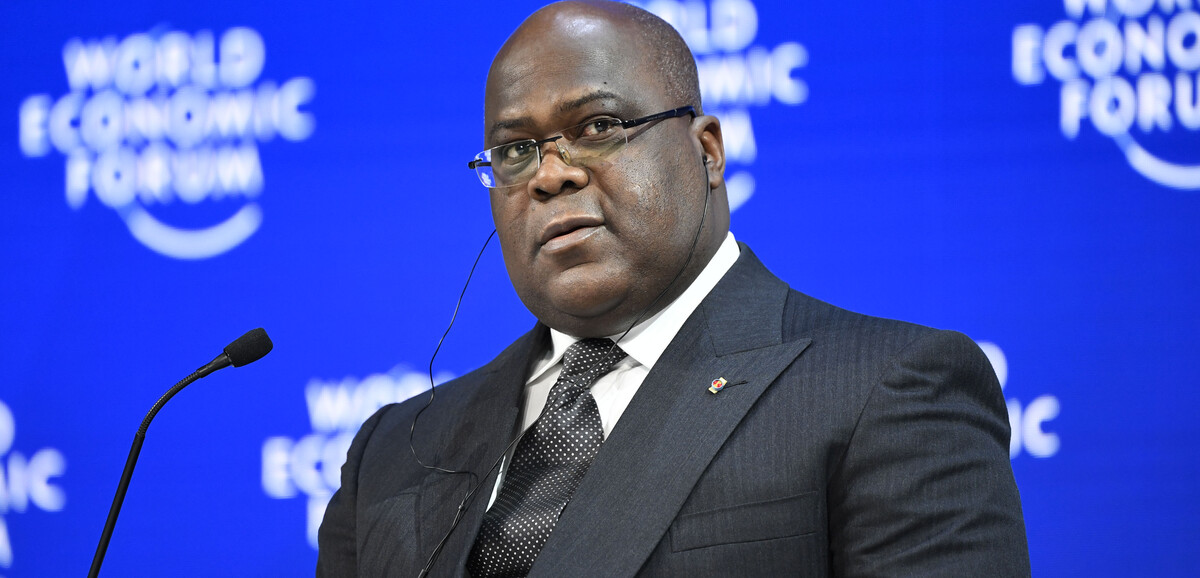
Ebola containment measures block Kinshasa protests ahead of Félix Tshisekedi opposition rally
The Democratic Republic of the Congo’s government has imposed a ban on large gatherings in Kinshasa and three other provinces as part of efforts to curb the spread of the Ebola virus. This move comes just days before an opposition-led protest planned for July 8 against President Félix Tshisekedi.
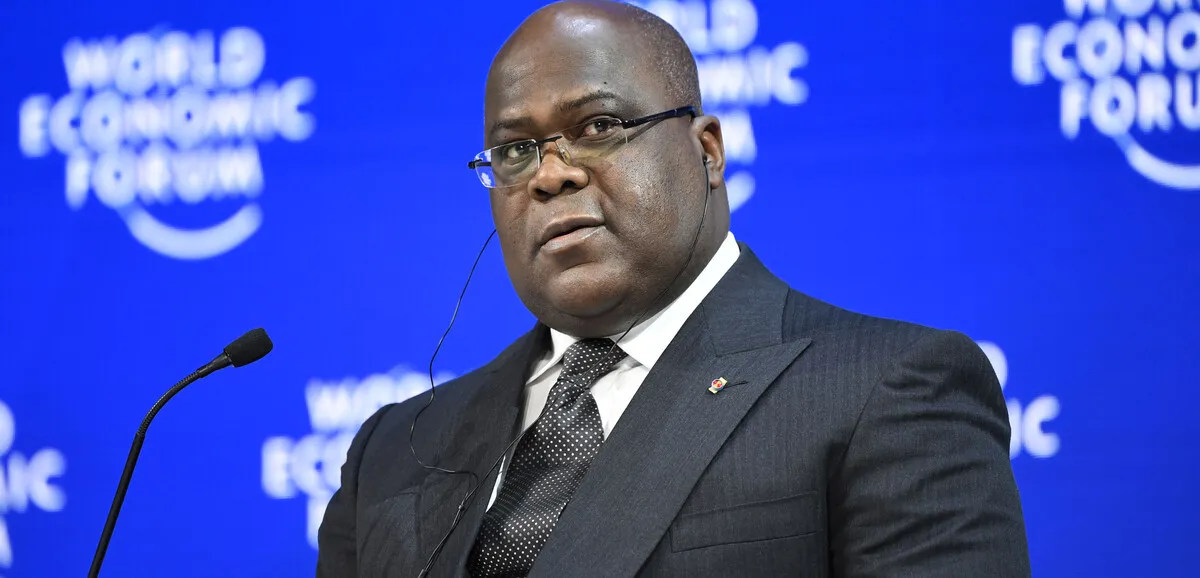
Government restricts public gatherings in high-risk zones
In an official letter dated June 27, Interior Minister Jacquemain Shabani instructed local authorities to prohibit “mass gatherings” to “prevent further Ebola virus transmission”. While the measure is framed as a health response, its timing raises questions about its broader implications.
The current Ebola outbreak, declared on May 15, has claimed 360 lives out of 1,274 confirmed cases nationwide. Though the northeastern provinces remain the hardest hit, no transmission has been detected in Kinshasa, home to over 17 million residents.
Political tensions heighten ahead of planned opposition protest
The ban arrives amid escalating political unrest tied to a controversial constitutional reform bill. The opposition argues the proposed changes could enable President Tshisekedi to seek a third term, despite the current two-term constitutional limit. Parliament, dominated by the ruling majority, approved the bill in mid-June, awaiting the president’s potential endorsement.
On June 12, security forces violently dispersed a prior opposition rally in Kinshasa, denouncing it as an attempted “constitutional coup.” Clashes between protesters, pro-government activists, and security personnel left multiple injured. United Nations observers confirmed at least one fatality among the demonstrators.
Despite the restrictions, opposition leaders have vowed to proceed with the July 8 protest, demanding President Tshisekedi’s resignation. Minister Shabani condemned the call as “high treason.”
Health emergency intersects with political instability
The confluence of a deadly epidemic and heightened political volatility presents a critical juncture for the DRC. While public health remains the stated priority, the timing of the ban has sparked debates over whether it serves dual purposes—protecting citizens while also limiting dissent.
Comments are closed, but trackbacks and pingbacks are open.