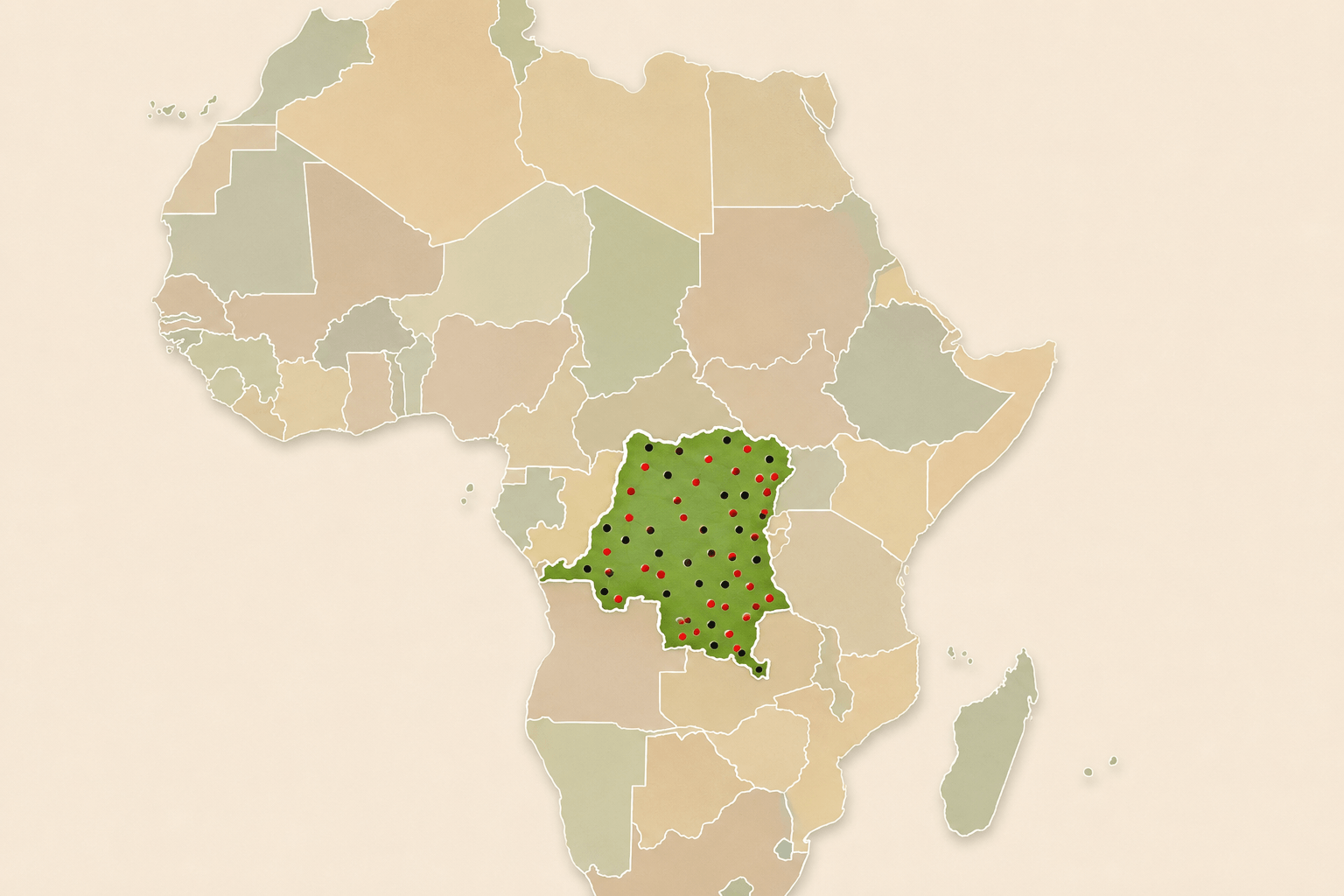
Across the African continent, Ebola has claimed the lives of over 15,000 individuals throughout the past five decades. The Democratic Republic of Congo previously faced its most devastating outbreak between 2018 and 2020, which resulted in approximately 2,300 fatalities among 3,500 recorded cases.
The current epidemic, officially declared on May 15, has tragically accounted for 506 deaths and 1,561 confirmed infections within the DRC. In neighboring Uganda, the toll remains at two fatalities from 20 confirmed cases as of July 4.
Promising developments include the initiation of a clinical trial last week, evaluating two distinct treatments targeting the Bundibugyo strain, which is responsible for this particular outbreak. Furthermore, emergency use authorization has been granted for the inaugural molecular diagnostic test for the virus.
Significant lethality observed
The epicenter of this escalating crisis, whose true scope remains challenging to ascertain and which could potentially persist for several months, is located in Ituri, a northeastern Congolese province bordering both South Sudan and Uganda.
Within the mining town of Mongbwalu, widely regarded as the initial point of the outbreak, a concerningly high fatality rate of 50.7% points to ongoing difficulties in providing early care or ensuring timely access to medical treatment for those afflicted.
The virus has also been detected in the nearby provinces of Nord-Kivu and Sud-Kivu, regions where provincial capitals and significant swathes of territory fall under the control of the anti-government armed group, M23.
In Nord-Kivu, the Congolese health authorities have deemed the mortality rate of 57.4% – considerably higher than the average – as a cause for significant alarm. Encouragingly, no new cases have been confirmed in Sud-Kivu province since May 26.
Last week, health officials associated with the M23 group declared the eradication of the epidemic within the territories they control. However, this assertion has yet to be independently verified.
Following this announcement, cross-border exchanges between eastern DRC and neighboring Rwanda have partially resumed. This comes after several weeks during which border crossings remained closed, a development observed firsthand.
Cross-border activities are a common occurrence in this part of the world, particularly for trade. Many Congolese residents from the region also travel to Rwanda to fly from Kigali, a practice that has increased since the M23 group’s closure of Goma airport in early 2025.