Symbol over substance in Togolese-Burkinabe relations
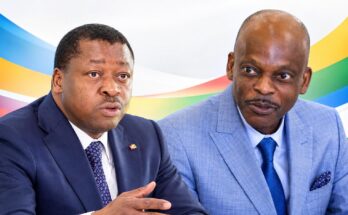
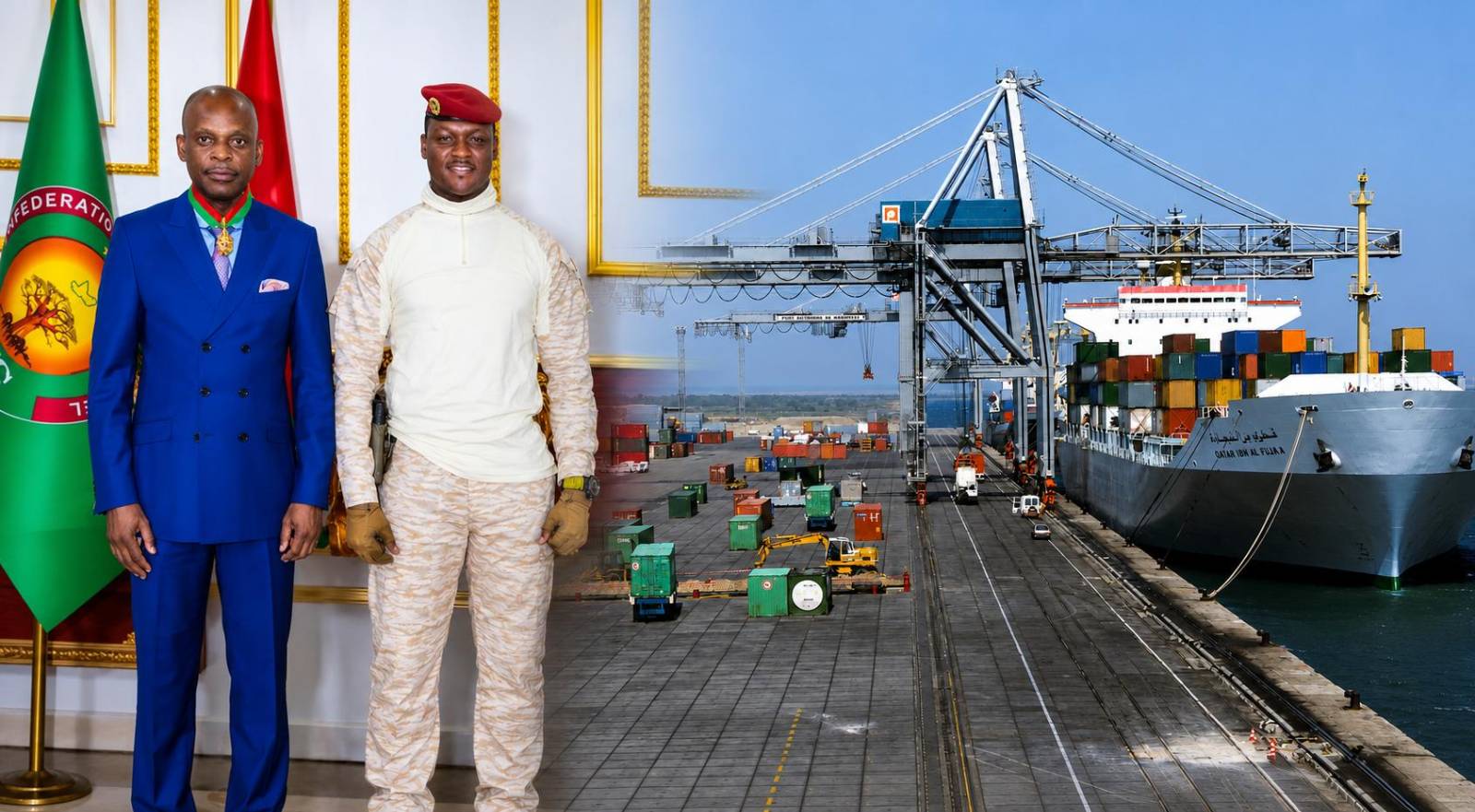
The recent elevation of Togo’s Foreign Minister to the rank of Commander of the Order of the Stallion—the highest honorific distinction in Burkina Faso—has been heralded by official channels as proof of Lomé’s commitment to an “open, solidaristic, and neighborly diplomacy.” Yet, beneath this polished narrative lies a far less flattering reality.
Award of convenience or genuine recognition?
While such distinctions often symbolize diplomatic accolades, their underlying intent can be far more pragmatic. In this instance, the honor may reflect not merely a display of goodwill but a convergence of mutual interests between two governments navigating shared political and economic challenges. Diplomatic gestures, after all, frequently serve as tools to reinforce alliances, though they may also convey subtle political signals to regional partners.
Scrutiny of this accolade reveals a more complex narrative. The apparent diplomatic thaw follows a contentious episode in which the Togolese regime granted asylum to former Burkinabe President Roch Marc Christian Kaboré—only to later abandon him in favor of economic enticements. This calculated decision underscored the primacy of pragmatic interests over diplomatic principle.
Economic interdependence as the bedrock of relations
The Togolese government’s apparent regional solidarity appears conditional upon economic advantages. By prioritizing lucrative trade agreements with Ouagadougou, Faure Gnassingbé’s administration sacrificed the former Burkinabe leader’s asylum on the altar of strategic port concessions. The primary objective? Securing contractual guarantees to facilitate the transit of Burkinabe goods and commodities through the Autonomous Port of Lomé (PAL).
This transactional diplomacy is rooted in a tangible economic interdependence. As a landlocked nation, Burkina Faso relies heavily on maritime corridors for trade. The PAL represents a critical artery for its imports and exports, making favorable relations with Lomé mutually beneficial. Both capitals, therefore, stand to gain from preserving this privileged economic bond—a dynamic that explains the rapid diplomatic rapprochement between them.
In essence, Lomé’s exchange of a political exile for logistical guarantees exemplifies a diplomacy of financial opportunism, where state interests supersede ethical considerations.
A transactional approach to regional governance
The timing of this honor raises further questions, particularly as sensitive issues regarding governance, political rights, and public freedoms persist across the region. For many analysts, this distinction reflects not a commitment to democratic values or principled cooperation but rather a strategic alignment driven by mutual convenience.
This trend is not unique to Togo and Burkina Faso. Increasingly, subregional diplomacy prioritizes economic and security imperatives over traditional political or moral commitments. Alliances are forged and dissolved in response to commercial interests, logistical needs, and security concerns, rendering official rhetoric on solidarity increasingly hollow in the eyes of the public.
The gap between rhetoric and geopolitical realism
While authorities portray this distinction as evidence of exemplary relations, the disconnect between such proclamations and geopolitical realities cannot be ignored. When diplomatic decisions are so visibly tethered to economic gains, the narrative of African solidarity loses credibility among discerning observers.
The ultimate takeaway is that this honor underscores a relationship governed by cold political realism, where statecraft is dictated by strategic interests. Nations prioritize economic exchanges, commercial stability, and political expediency—even if such choices invite criticism over the dissonance between words and deeds. Behind the ceremonial smiles and diplomatic medals lies a stark pragmatism: an alliance forged not on shared ideals but on secured trade partnerships, at the expense of ethical principles.
It is this fundamental contradiction that fuels contemporary debates on the true nature of relations between Lomé and Ouagadougou.