The United Nations’ financial challenges are now directly impacting the operational efficiency of the Independent Commission of Inquiry into human rights violations in the eastern Democratic Republic of Congo (DRC). Established in February 2025 to investigate alleged abuses in North Kivu and South Kivu, the Commission faces mounting obstacles in fulfilling its mandate due to funding shortfalls.
mission challenges amid funding shortages
The Commission recently concluded its initial mission in Kinshasa, where it conducted extensive consultations with victims’ support organizations, human rights defenders, civil society representatives, government officials, UN agencies, diplomats, and the national human rights institution. However, planned field visits to conflict-affected areas—including Goma—have been repeatedly postponed as security and logistical conditions remain volatile.
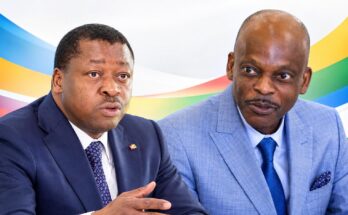
Arnauld Akodjenou, President of the Commission, emphasized the severe impact of UN financial constraints on the team’s investigative capabilities. “The broader financial challenges facing the United Nations have directly weakened our operational capacity—limiting our deployable investigation teams, interpretation services, analytical support, mission funding, and sustained field presence,” he stated. Despite these hurdles, he reaffirmed the Commission’s unwavering commitment to fulfilling its mandate with independence, thoroughness, and urgency, citing the urgent need to address the documented suffering of civilians.
protecting humanitarians and witnesses
The Commission underscored the critical importance of ensuring safe, rapid, and unhindered humanitarian access—particularly for vulnerable groups such as women, children, the elderly, persons with disabilities, and internally displaced persons. Akodjenou stressed that humanitarian workers, medical personnel, and protection actors must be able to operate without fear of intimidation or retaliation while responding to crises, including the ongoing Ebola outbreak.
He also warned against any attempts to obstruct justice, stating: “No victim, witness, human rights defender, journalist, or community representative should face intimidation, reprisals, or punitive measures for cooperating with UN mechanisms, including this Commission.” The body has been tasked with establishing facts, preserving evidence, identifying perpetrators for accountability, and examining the root causes of recurring violence in the region.
mandate and ongoing investigations
The Independent Commission of Inquiry was created by the UN Human Rights Council following an extraordinary session in February 2025, in response to escalating violence in eastern DRC. Its mandate includes investigating alleged violations of human rights and international humanitarian law—particularly those affecting women and children, gender-based violence, and crimes against displaced or refugee populations.
Since January 2025, the provinces of North Kivu and South Kivu have seen a surge in hostilities, prompting international calls for accountability. The Commission’s work remains pivotal in shedding light on these abuses and ensuring justice for victims in a region plagued by protracted conflict and humanitarian crises.