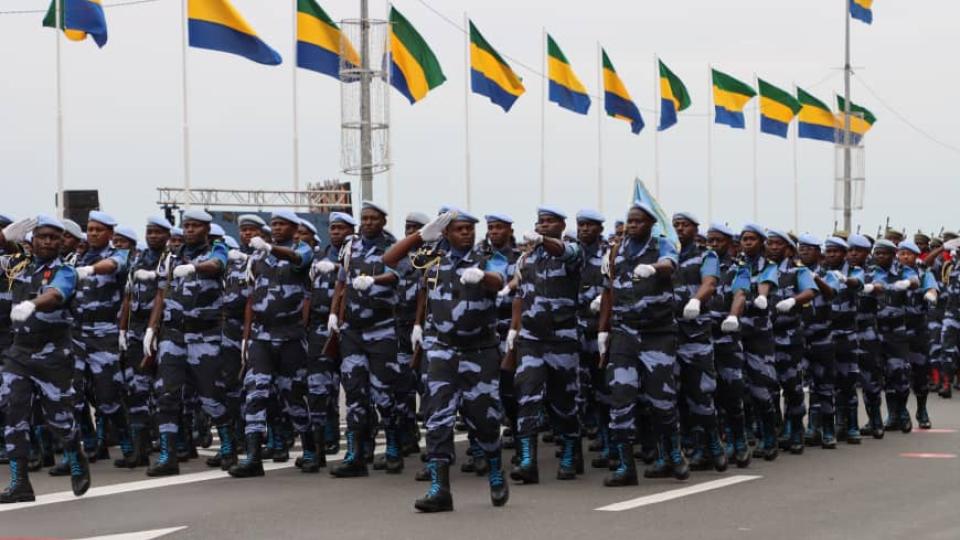
Following the parliamentary approval of military programming legislation last year, the government is now steering the nation toward a comprehensive modernization of the National Police. During the Council of Ministers meeting on June 25, 2026, a new security programming bill was adopted, covering the period from 2026 to 2030. This strategic reform follows an earlier announcement made on February 10 by Vice-President Hermann Immongault.
Through this legislation, the executive branch aims to align the security framework with an increasingly complex global environment. Authorities emphasize that emerging forms of criminality, rising digital threats, organized trafficking, and evolving risks to the population necessitate a profound upgrade of the National Police’s capabilities. This five-year roadmap is designed to structure future investments, boost service performance, and ensure a more robust security presence across every region of Gabon.
Modernizing the National Police force
The reform seeks to fundamentally transform how police forces operate on the ground. Central to this ambition are initiatives for continuous officer training, the integration of advanced technologies into security operations, and expanded territorial reach. Additionally, there is a strong focus on strengthening the relationship between the police and the communities they serve. To better tackle transnational security challenges, the government also plans to enhance cooperation with international partners.
However, this drive for transformation is unfolding within a tightening fiscal climate. Despite the significant need for capital investment, the revised 2026 finance bill actually reflects a decrease in security-related credits. This discrepancy raises questions regarding the speed at which these new measures can be implemented. Ultimately, the success of this 2026-2030 programming will depend on the state’s ability to mobilize necessary resources and maintain a consistent modernization effort over the long term.
Comments are closed, but trackbacks and pingbacks are open.