Gabon and EU deepen economic ties in strategic dialogue
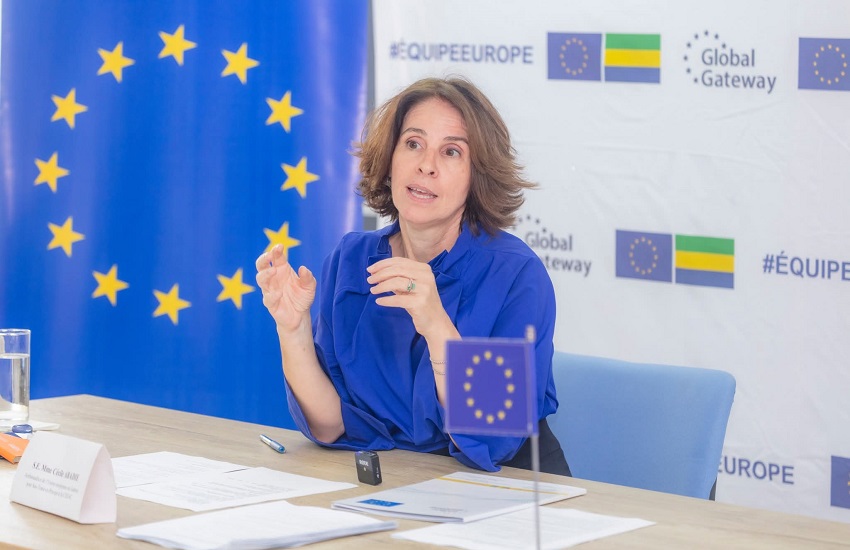
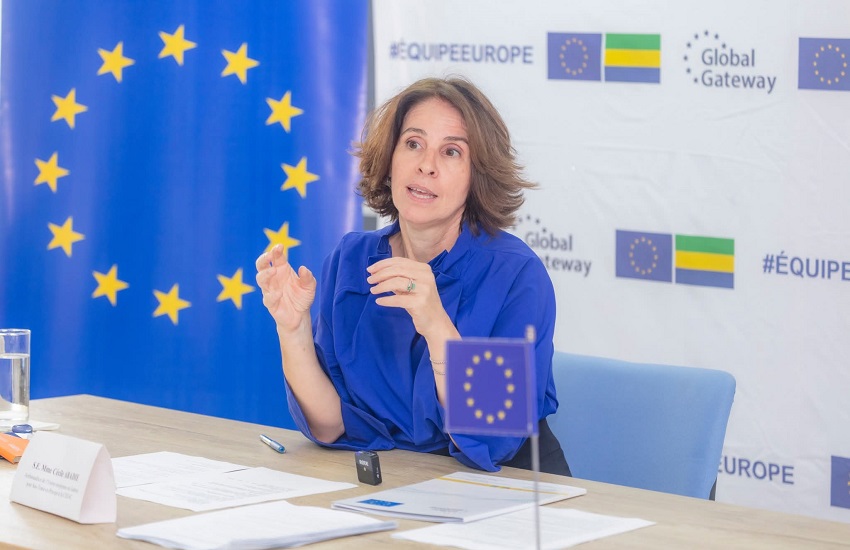
Libreville, June 8, 2026 — The second Gabon-European Union Political Dialogue, held in Libreville, represents far more than a routine diplomatic exchange. Behind the formal protocols and institutional consultations lies a shared vision of economic transformation and strategic partnership.
The Gabonese government is leveraging its newly restored political stability to reposition itself as a key economic player, while the EU seeks to redefine its African engagement through investment-driven partnerships focused on value creation and shared sovereignty.
In an era of geopolitical rivalries, competition for critical resources, and shifting global alliances, this dialogue sends a powerful message. The Gabonese administration under the Fifth Republic is no longer content being seen as just a diplomatic partner. It aims to be recognized as an economic force capable of attracting capital, modernizing governance, and fostering growth through local value addition.
Rebuilding cooperation around shared prosperity
Traditionally, Gabon-EU relations centered on political exchanges, development aid, and technical cooperation. Today’s dialogue marks a significant shift toward a more balanced partnership built on mutual interests.
The EU delegation emphasized that the new framework prioritizes multilateralism and co-created economic agendas—a stark contrast to its previous donor-recipient model. This strategic pivot reflects Europe’s evolving approach to Africa, positioning itself not just as a funder but as an investor catalyzing sustainable development.
For Gabon, this presents fresh opportunities across infrastructure, industrial processing, energy diversification, and digital transformation. The country’s long-term goal remains reducing dependence on raw commodity exports by developing high-value sectors that generate local employment and wealth.
A nation transforming through bold reforms
This high-level meeting coincides with Gabon’s most ambitious reform phase since establishing the Fifth Republic. Discussions with EU representatives will cover institutional governance, rule of law, business environment improvements, and administrative modernization—key pillars for boosting economic attractiveness.
The Minister of Foreign Affairs and Cooperation underscored that these exchanges will assess all aspects of Gabon-EU relations, including bilateral ties with individual member states. The recently adopted Samoa Agreement now governs this cooperation, emphasizing good governance, sustainable development, energy transition, and economic resilience—all aligned with Libreville’s national priorities.
Here, political dialogue becomes a tool to support Gabon’s ongoing transformation strategy launched in 2023.
From aid recipient to regional investment hub
The most striking shift in Gabon’s international posture is its ambition to become a regional investment destination rather than merely seeking financial assistance.
Priority sectors include sustainable forestry, mineral processing, infrastructure, agriculture, renewable energy, and digital innovation. Natural resource stewardship remains central to discussions, with Gabon leveraging its leadership in Congo Basin forest conservation to drive climate-resilient growth and strengthen its position in global climate negotiations.
As Vice-President Immongault noted, this dialogue exemplifies economic diplomacy where Gabon asserts its strategic priorities with clarity. The true measure of success will be tangible outcomes: realized investments, implemented reforms, and completed projects that reshape the nation’s economic landscape.
The Gabon-EU Political Dialogue stands as one of the Fifth Republic’s first major international engagements. It signals Libreville’s determination to convert restored political capital into economic momentum. In today’s fiercely competitive global environment, Gabon is betting on strategic partnerships, prudent openness, and investment-led growth to secure its future as both an African and global economic player.