Gabon and Spain strengthen economic and diplomatic ties with strategic partnership
Libreville, Sunday, July 19, 2026 — Gabon is redefining its foreign policy by transforming diplomatic engagement into a powerful engine for economic growth. The recent high-level talks in Madrid with Spanish officials mark a decisive shift toward strategic cooperation, positioning Libreville as a key player in fostering innovation, investment, and sustainable development.
Historically, Gabon and Spain maintained a low-profile relationship, devoid of structured political dialogue. However, the official visit led by Gabonese Minister of Foreign Affairs and Cooperation Marie-Edith Tassyla-Ye-Doumbeny to Madrid has elevated bilateral ties to new heights. Over several days of intense negotiations, both nations laid the groundwork for a robust partnership that extends beyond traditional diplomacy, embracing economic and technological collaboration with far-reaching ambitions.
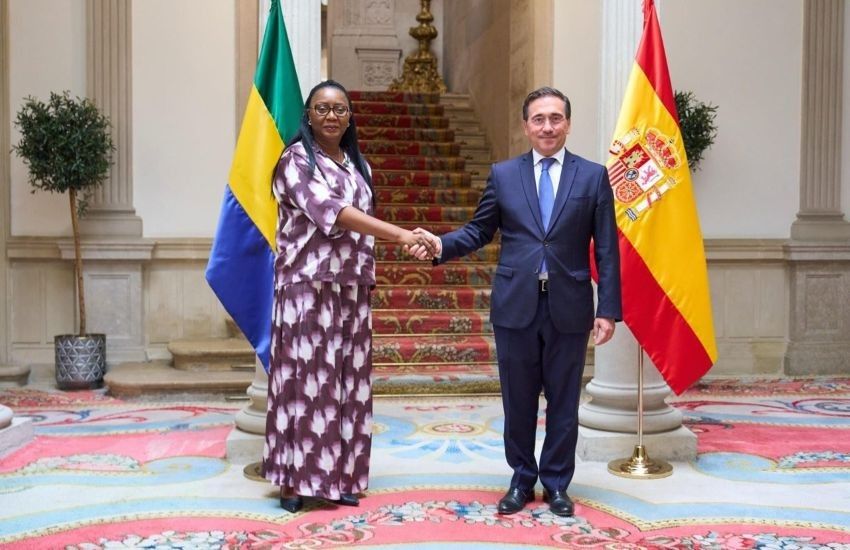
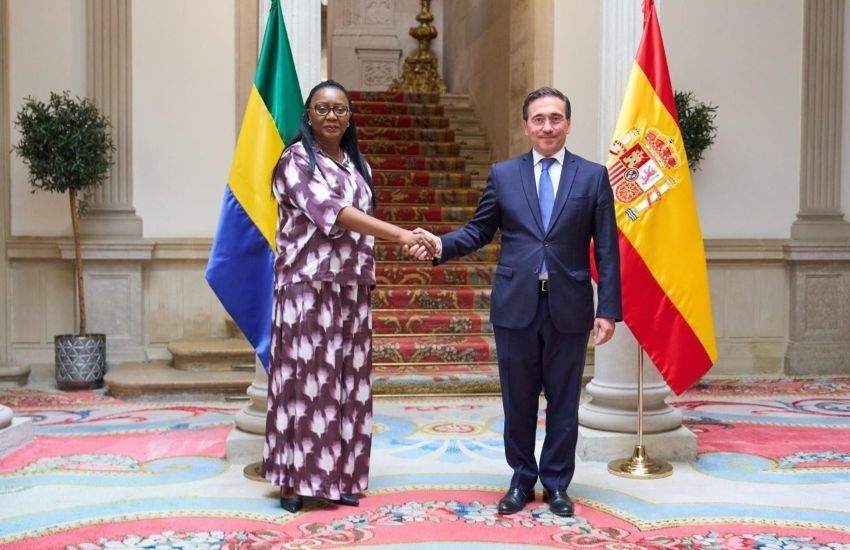
At the heart of this transformation lies the signing of a memorandum of understanding between Minister Tassyla-Ye-Doumbeny and her Spanish counterpart, José Manuel Albares, at the Palacio de Viana—Spain’s diplomatic headquarters. This landmark agreement establishes a permanent framework for regular, structured consultations on critical global issues, signaling a new era of proactive engagement.
Economic diplomacy takes center stage
What sets this diplomatic initiative apart is its strong economic focus. Gabon is increasingly leveraging its international relations to attract investment, facilitate technology transfer, and diversify its economy. The discussions between the two ministers covered pivotal sectors such as sustainable tourism, maritime security, mobility, workforce development, and opportunities under Spain’s Africa Strategy 2025–2028. Both parties acknowledged that trade between Gabon and Spain remains significantly below the true potential of their economies.
To bridge this gap, plans were announced to create a Gabon-Spain Business Council. This initiative aims to foster stronger ties between businesses, streamline investments, and support joint industrial projects. For Libreville, this aligns perfectly with the presidential vision of expanding productive partnerships with European economies.
INDRA: A catalyst for transformation
The Gabonese delegation, led by Ghislain Moandza Mboma, Director General of the National Investment Promotion Agency, and Ambassador Allegra Pamela Bongo, engaged with Spanish multinational INDRA—a global leader in digital technologies, transport infrastructure, defense, and digital transformation.
Key priority areas identified include modernizing airport infrastructure, digitalizing port single-window systems, enhancing digital health records, upgrading the judicial system, and boosting tourism development. A potential exploratory mission by INDRA to Libreville could pave the way for concrete investments in public administration modernization and economic competitiveness.
This approach underscores a fundamental shift in Gabon’s strategy. The government is now actively seeking partners who can provide not just capital, but also cutting-edge technology, expertise, and tailored solutions to meet national needs.
Building strategic autonomy through diversified alliances
Beyond bilateral agreements, this visit highlights Gabon’s broader geopolitical strategy. In an era of intensified global economic competition, Libreville is deliberately diversifying its partnerships to reduce dependency on a limited number of actors and unlock new growth opportunities.
During a meeting with Gabonese diplomatic staff at the Madrid embassy, Minister Tassyla-Ye-Doumbeny emphasized the country’s priorities: modernizing foreign policy, promoting economic diplomacy, and mobilizing the diaspora. This reflects a broader ambition to position diplomatic missions as key drivers of economic attractiveness.
The emerging partnership between Gabon and Spain exemplifies a significant evolution in Libreville’s foreign policy. By institutionalizing political dialogue and aligning it with investment opportunities, Gabon is asserting its ambition to play a more influential role in shaping Africa’s and the world’s economic landscape.
The success of this vision hinges on the ability of both nations to translate political commitments into tangible projects. If the proposed exploratory missions lead to concrete outcomes, this visit to Madrid may well be remembered as the starting point of a renewed, innovation-driven, and value-creating bilateral relationship built on strategic sustainability.