The latest Gabon energy sector report reveals a sharp decline in electricity output, with production plummeting by 13.2% compared to the previous quarter and 20.1% year-on-year in the first three months of 2026. The findings, outlined in the Direction générale de l’économie et de la politique fiscale (DGEPF) Conjuncture Note, underscore a systemic vulnerability that residents have long endured.
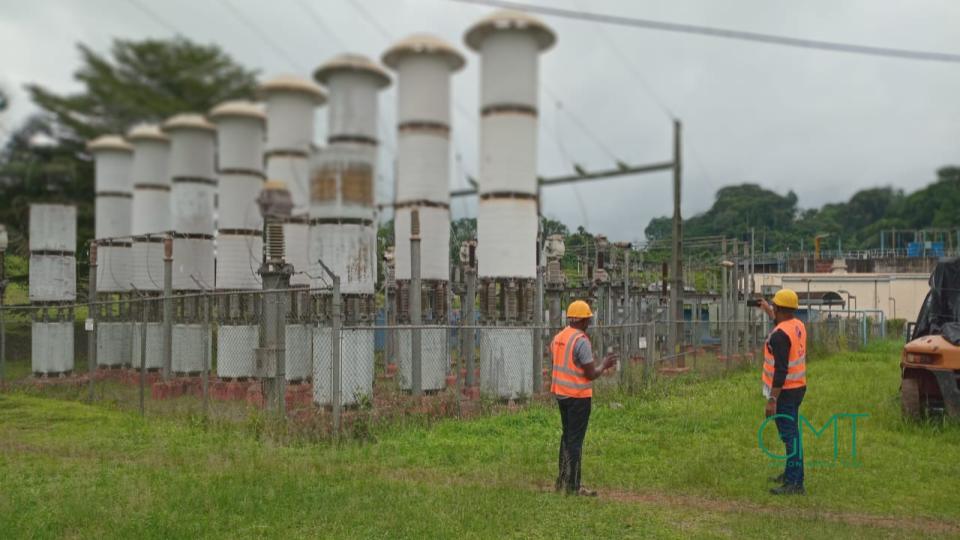
Behind the alarming figures lie repeated equipment failures. The document cites “numerous breakdowns” crippling the national grid, primarily driven by “insufficient maintenance funding”. Beneath the formal administrative language lies a stark truth: years of chronic underinvestment in the country’s power infrastructure have left the system dangerously exposed.
Successive governments have deferred critical upgrades, opting instead for temporary fixes that only delay the inevitable. This pattern of neglect has pushed the aging network to the brink, where even minor disruptions now trigger cascading failures.
Power outages ripple into water supply disruptions
The consequences extend far beyond flickering lights and stalled appliances. The report highlights a troubling domino effect: frequent blackouts are now disrupting the production of clean drinking water. Repeated failures in mechanical seals and booster pumps—compounded by electrical surges—are accelerating wear on already strained systems.
This interdependence between electricity and water services exposes a dangerous vulnerability. The crisis no longer threatens just daily convenience or economic activity; it directly jeopardizes access to potable water for thousands of households. By simultaneously undermining two critical pillars of public infrastructure, the situation demands urgent, large-scale modernization. Without decisive action, Gabon risks descending into a downward spiral of widespread, systemic failures.