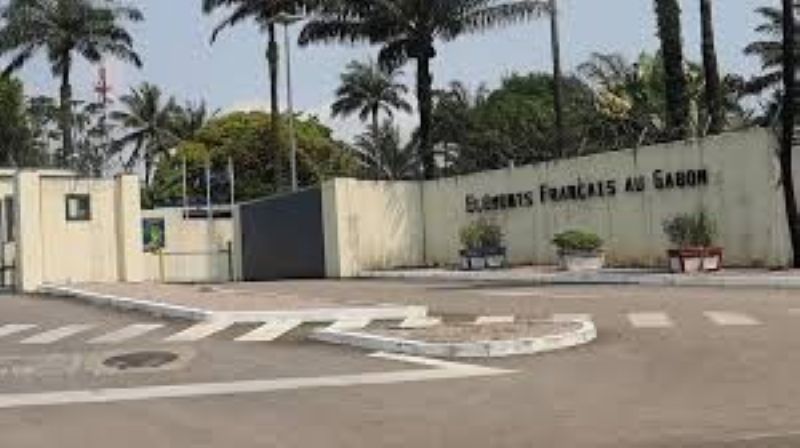
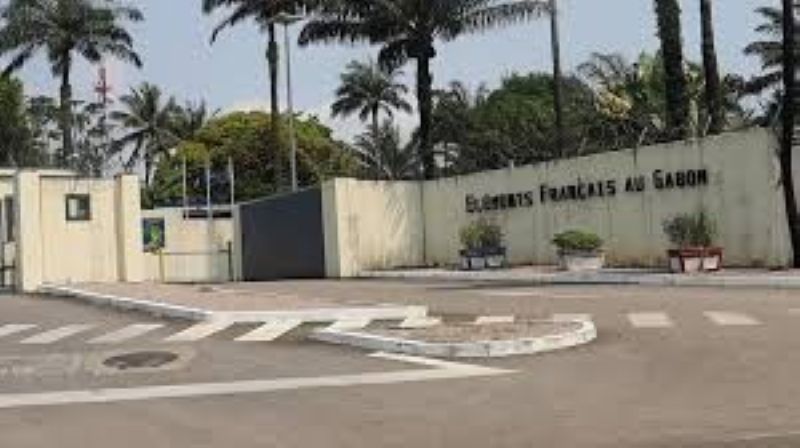
When President Brice Clotaire Oligui Nguema revealed the upcoming transformation of Camp de Gaulle, he was doing far more than just updating a signpost. This decision signals a fresh start for Gabon, as the nation reevaluates its historical narrative and its long-term strategic goals.
Certain executive actions carry weight far beyond their immediate practical application. The announcement regarding the rebranding of one of the most prominent military installations in the country falls squarely into this category. This change is a profound political and historical statement, illustrating a country determined to reclaim its past while maintaining its international standing.
The closing of a military chapter
For many years, Camp de Gaulle served as the primary face of the French military presence in Gabon. Established during the post-independence era, it was part of a broader security framework designed to maintain regional stability. However, the African landscape of 2026 has evolved significantly from that of the 1960s.
Throughout the continent, themes of national sovereignty and the control of strategic assets have taken center stage. Gabon is actively participating in this movement. The transition of the camp back to national authority represents the end of one historical era and the beginning of another, characterized by cooperation rather than dependency.
A collaborative evolution
The head of state has been careful to distinguish this process from the sudden military exits seen in countries like Mali, Burkina Faso, or Niger. In Libreville, the restructuring of the defense partnership is the result of mutual agreement and diplomatic dialogue.
While the nature of the cooperation is changing, it remains very much alive. The large permanent troop presence has been phased out, replaced by a specialized team of roughly one hundred instructors. This shift mirrors a global trend where military alliances focus on the transfer of technical expertise and training rather than the stationing of foreign combat forces.
Empowering the next generation of African leaders
The most vital aspect of this transition lies in the site’s future purpose. The former Camp de Gaulle is being repurposed as a premier training academy for the defense and security forces of Gabon and its regional partners. This vision extends well beyond national borders.
As West and Central Africa face rising cross-border threats and security challenges in the Gulf of Guinea, the development of high-level local expertise is essential. Gabon aims to establish itself as a regional hub of excellence, contributing to the professionalization of military forces across the continent.
Identity through national symbols
The renaming of the facility is perhaps the most visible sign of this new direction. By choosing to honor a local hero, the government is engaging in a deep reclamation of national memory. Assigning a name to a place is an act of storytelling; it defines the values and figures that will inspire future generations.
Replacing a colonial-era figure with a national icon demonstrates Gabon‘s commitment to building its own history. This move is not a rejection of external partnerships but an assertion of political maturity. It is the manifestation of a new vision of sovereignty, unfolding in real-time for the rest of Africa to see.