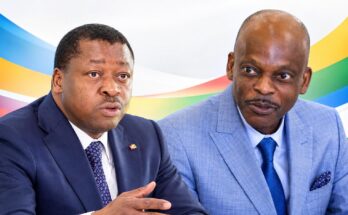
President Brice Clotaire Oligui Nguema of Gabon has disclosed that his administration turned down a formal proposal from the US government to host migrants expelled from American soil. The revelation, shared during a high-profile interview, underscores Libreville’s divergent stance compared to other African capitals courted by Washington since Donald Trump’s return to the White House in early 2025.
Gabon stands firm against Washington’s migration diplomacy
According to the Gabonese head of state, US officials approached Gabon with an agreement proposal under which the Central African nation would accept deportees from the United States. Oligui Nguema confirmed rejecting the offer outright, though he did not elaborate on the potential incentives Washington may have proposed. This bold refusal contrasts sharply with the cautious responses observed in other African capitals facing similar pressure.
The stakes are high. Since regaining power, the Trump administration has prioritized the mass deportation of undocumented migrants as a cornerstone of domestic policy. With limited options to return certain individuals to their countries of origin, US authorities have actively sought third-party nations willing to accept these migrants in exchange for economic, security, or diplomatic concessions. Several African governments have reportedly acquiesced, while others remain hesitant.
Gabon stakes its claim to diplomatic independence
By publicizing the US request, President Oligui Nguema signals Gabon’s commitment to a distinct diplomatic path. While international media frequently highlights countries like Rwanda, Eswatini, and South Sudan as potential or active participants in this outsourcing arrangement, Libreville has taken a principled stand. The refusal is framed not only as a matter of national sovereignty but also as a safeguard for internal social cohesion.
This decision carries significant strategic weight. Since emerging from the August 2023 coup and subsequent April 2025 presidential election, Gabon has worked to solidify its institutional foundations. Publicly declining an American overture—despite the importance of maintaining strong economic ties with Washington—demonstrates a deliberate diplomatic calculus. Libreville appears to be leveraging its credibility among African public opinion and European partners, particularly France, to reinforce its international standing.
Yet this bold move is not without risk. The Trump administration has shown little tolerance for dissent, and nations that have voiced objections to its migration or trade policies have faced punitive measures, including tariff hikes or visa restrictions. As a key exporter of crude oil and manganese, Gabon remains vulnerable to shifts in bilateral relations with global powers.
Gabon’s move could reshape regional dynamics
On the regional front, this announcement coincides with Libreville’s efforts to regain influence within the Economic Community of Central African States (ECCAS), where Oligui Nguema briefly held the rotating presidency. Gabon’s refusal to comply with Washington’s demands may resonate with neighboring Congo Basin countries that advocate for a more assertive African diplomacy, one that insists on reciprocity in international partnerships.
The migration issue has become a litmus test for African leaders navigating relations with a transactional US administration. Accepting such proposals could yield financial or diplomatic rewards, but at the risk of domestic unrest. Rejecting them preserves sovereignty but may invite reduced attention—or even friction—from Washington. President Oligui Nguema has made his choice clear, and by doing so publicly, he signals Gabon’s ambition to play a more prominent role on the global stage. The coming weeks will reveal whether this stance prompts a formal response from the White House or prompts adjustments in bilateral relations.