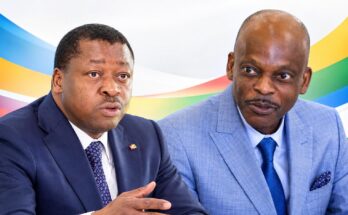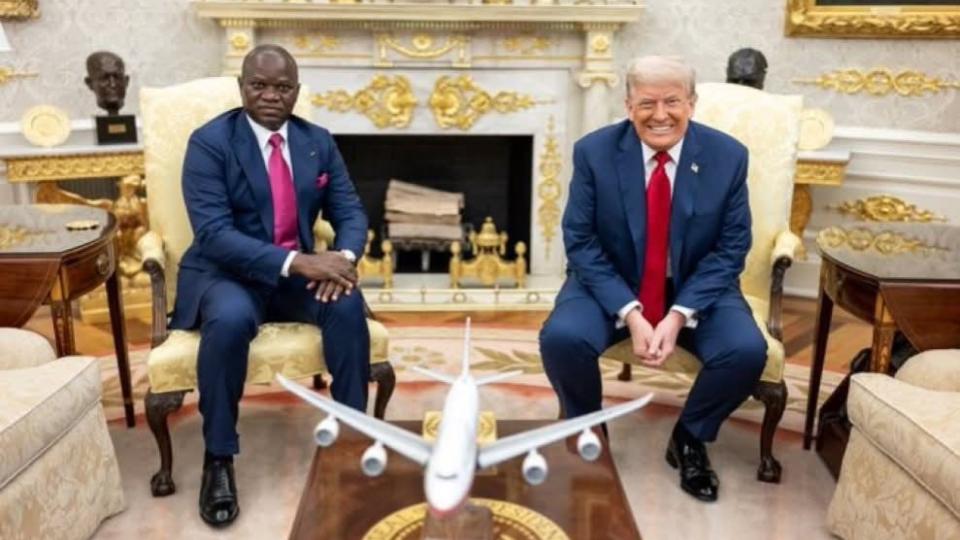
Washington’s push to accelerate the deportation of undocumented migrants has encountered an unexpected diplomatic hurdle in Central Africa. The Gabonese government has firmly rejected a proposed bilateral agreement aimed at receiving migrants expelled from the United States, defying expectations of unconditional alignment with American policies.
The bold stance taken by Libreville underscores a pragmatic foreign policy that prioritizes national interests over personal or political affinities. Speaking candidly about his relationship with the US president and the sensitive issue at hand, President Brice Clotaire Oligui Nguema left no room for ambiguity during an interview with an international news channel.
« The outgoing US president is someone I hold in high regard. However, we fundamentally disagree on the matter of accepting expelled migrants. Gabon will not sign such an agreement—it simply does not serve our national interests. »
This refusal deals a significant blow to Washington’s strategy of outsourcing migration management to third-party nations, a tactic increasingly deployed to ease pressure on its own systems.
National sovereignty takes precedence
By declining the proposal, Gabon sidesteps the risk of overburdening its administrative and security institutions, which are already stretched thin by domestic challenges and the ambitious agenda of the Fifth Republic. For Libreville, the current priorities revolve around strengthening the national economy, addressing internal political dynamics, and preparing for upcoming electoral processes.
This firm decision sends a clear message to Western allies: cooperation and political goodwill will never come at the cost of compromising Gabon’s sovereignty or social stability.