Gabon’s leadership reshapes governance with direct engagement
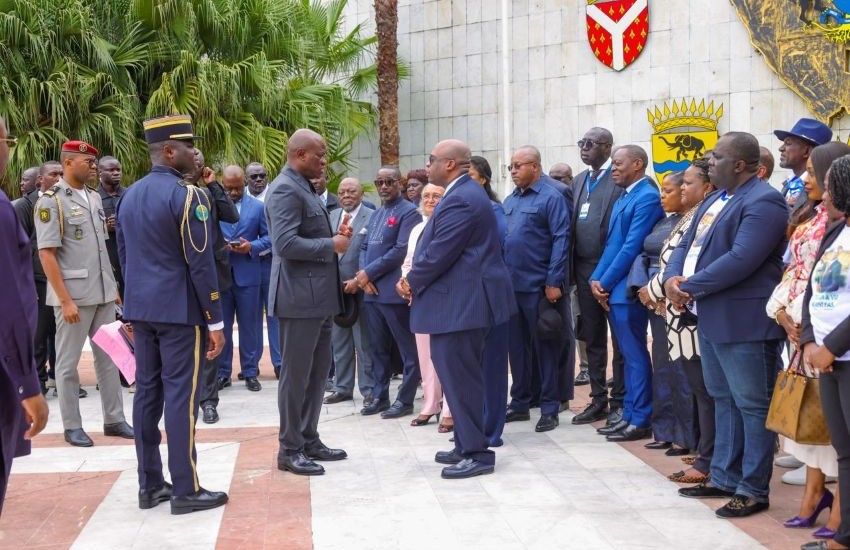
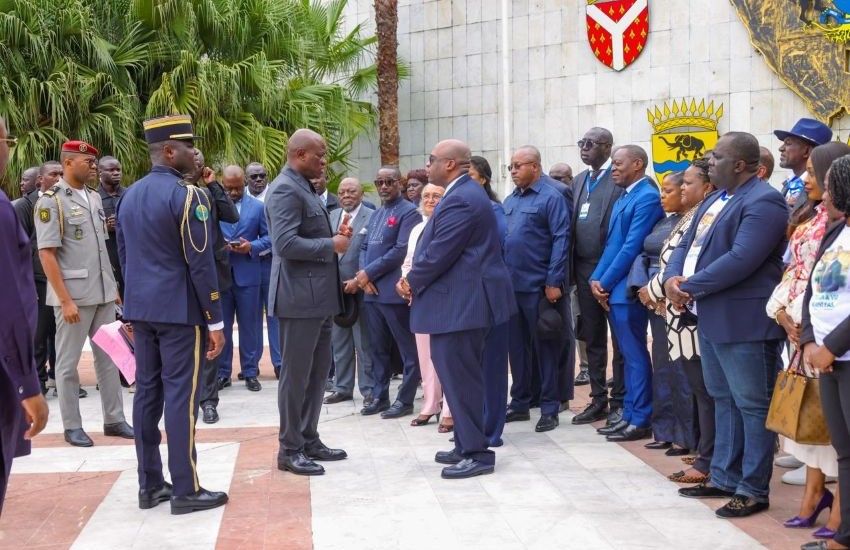
Libreville, Wednesday, July 15, 2026 — A groundbreaking political initiative unfolded as 150 delegates from Gabon’s Ogooué-Maritime province traded their local surroundings for a firsthand look at Libreville’s transformative projects before engaging directly with the President.
The visit, which culminated in a meeting at the Presidential Palace on July 14, marks a bold departure from conventional governance, placing tangible progress at the heart of public communication.
President Brice Clotaire Oligui Nguema personally welcomed representatives from Port-Gentil, Omboué, and Gamba after their immersion in Libreville’s key development zones. What they witnessed was a capital city undergoing rapid modernization, embodying the new national vision since his leadership took hold.
This wasn’t a mere ceremonial gesture. It represented a deliberate strategy to bridge the gap between decision-making hubs and regional stakeholders, fostering grassroots understanding of policies shaping Gabon’s future.
Leadership through tangible proof
The delegation’s composition reflected an intentional blend of local influencers rarely seen in such state-led initiatives. Mayors, municipal advisors, community elders, neighborhood chiefs, entrepreneurs, digital opinion leaders, and grassroots organizers all participated in the capital tour.
The selection wasn’t arbitrary. In modern governance, local voices wield immense power in shaping public perception. Citizens increasingly trust what they witness over political rhetoric, prioritizing direct observations over official narratives.
By giving provincial representatives a firsthand view of infrastructure progress, the administration chose to communicate through demonstration rather than declaration. This approach underscores transparency while fostering collective accountability.
It also addresses the persistent disconnect between national ambitions and regional realities in a country marked by vast geographical diversity and varied provincial needs.
Territorial equity as a governance priority
The meeting’s most resonant message came from the President’s unequivocal commitment to balanced, inclusive development across all provinces.
Africa’s development landscape has long grappled with territorial imbalances, where capital cities often monopolize infrastructure investments while provinces lag behind in essential services.
The Head of State emphasized that each region would progress at its own pace, receiving tailored investments to enhance living conditions sustainably. This nuanced approach rejects one-size-fits-all solutions, instead advocating for equitable development that respects local economic potentials.
For Ogooué-Maritime—a province historically anchored in oil production and maritime trade—this vision signals potential diversification into infrastructure, services, tourism, and blue economy sectors.
Proximity as a governance tool
Following their immersion, delegates expressed a desire for direct dialogue with the President. The immediate approval of this request sent a powerful political signal.
In an era where democratic systems worldwide struggle with growing disconnects between leaders and citizens, direct engagement emerges as a vital tool for legitimacy and governance effectiveness. President Oligui Nguema’s emphasis on proximity reflects a broader commitment to making grassroots dialogue a cornerstone of national policy.
The reception of Ogooué-Maritime’s forces vives exemplifies a governance model prioritizing listening, education, and concrete evidence. In a continent where institutional distrust often hinders reform, leading through proximity and verifiable progress may well become a defining hallmark of Gabon’s Fifth Republic.
Comments are closed, but trackbacks and pingbacks are open.