Gabon’s new role: evaluating anti-corruption efforts in the seychelles
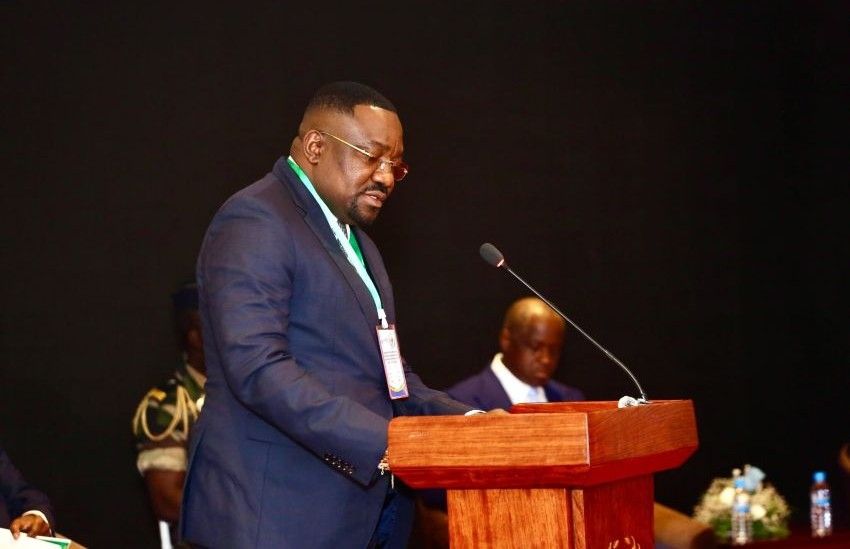
Libreville, Friday, July 10, 2026 – In the realm of international organizations, certain distinctions, though often overlooked by the general public, serve as powerful indicators of institutional credibility. The United Nations’ selection of Gabon to participate in the evaluation of the Seychelles’ anti-corruption mechanisms falls squarely into this category of discreet yet highly strategic developments.
Through this significant mission, Libreville is not merely engaging in a technical exercise of international cooperation. The nation has now joined the exclusive group of states entrusted with assessing other countries’ public policies against global standards for governance and transparency. This is a crucial piece of African news today, highlighting evolving Africa politics English.
This responsibility, bestowed by the United Nations, sends a strong diplomatic signal, especially in a global environment where issues of anti-corruption, public accountability, and institutional integrity are increasingly prominent in international relations and in the evaluation criteria for emerging economies.
recognition of national expertise
Gabon’s designation comes after the conclusion of the second evaluation cycle dedicated to implementing the United Nations Convention Against Corruption (UNCAC), which stands as the foremost international legal instrument in this critical area.
This comprehensive process, overseen by the United Nations Office on Drugs and Crime (UNODC), aims to measure the advancements made by signatory states in preventing corruption, fostering international judicial cooperation, recovering illicit assets, and strengthening public transparency institutions.
Following the successful validation of its own evaluation cycle, Gabon was chosen through a random draw to co-lead the review of the systems established by the Republic of Seychelles. This vital mission involves a thorough analysis of the legislative frameworks, control mechanisms, as well as the prevention and repression policies developed by the Indian Ocean archipelago, all to gauge their compliance with the stringent requirements of the UNCAC.
Far from being a mere administrative formality, this type of evaluation demands internationally recognized legal, technical, and institutional competencies, underscoring Gabon’s growing stature in pan-African current affairs.
seychelles under gabonese expert scrutiny
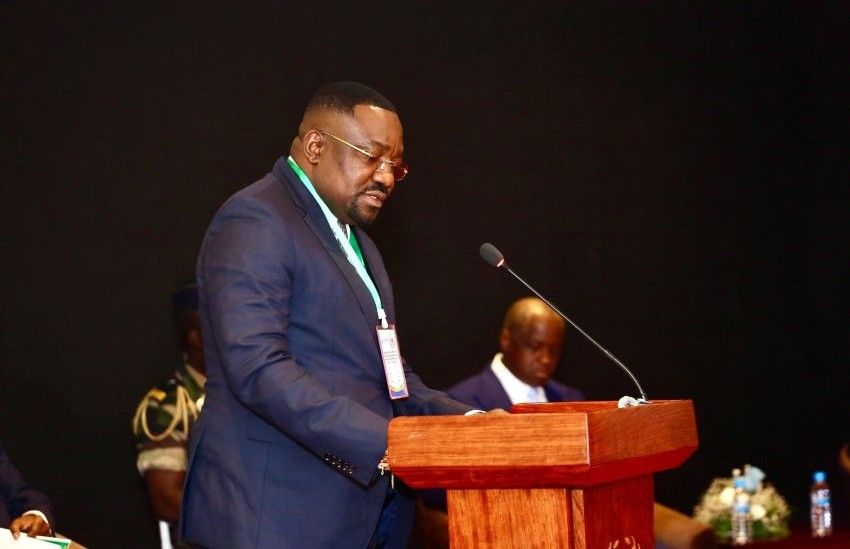
To carry out this important mission, the National Commission Against Corruption and Illicit Enrichment (CNLCEI) has deployed its most seasoned experts. The evaluators’ work specifically involves examining national prevention frameworks, asset declaration mechanisms, public finance control procedures, and tools for international judicial cooperation.
The primary objective is not to impose sanctions on the evaluated states but rather to facilitate the exchange of best practices, pinpoint areas for improvement, and collectively enhance the effectiveness of the global fight against corruption. This mutual review mechanism is founded on the principle of cooperation among member states, a cornerstone of the international governance system championed by the United Nations.
In a global landscape where corruption is estimated to siphon off trillions of dollars annually, the efficacy of these mechanisms becomes a paramount concern for economic stability, investor confidence, and the overall quality of public institutions, impacting African society news significantly.
gabonese diplomacy of influence strengthens
Beyond its technical dimension, this designation also reflects the evolving position Gabon holds within multilateral forums. Participation in the development, evaluation, and dissemination of international standards is now a key indicator of a state’s diplomatic influence within international organizations.
By transitioning from being evaluated to becoming an evaluator, Gabon marks a symbolic milestone in its international standing. This progression occurs at a time when Libreville is actively seeking to bolster its presence in regional and global institutions, addressing vital issues such as environmental protection, governance, security, and economic cooperation.
The mission entrusted by the United Nations to Gabonese experts thus extends far beyond the specific context of the Seychelles. It serves as a testament to international recognition of Gabon’s national technical capabilities and a vote of confidence in the country’s capacity to contribute to defining contemporary standards of good governance.
In the current multilateral system, influence is no longer measured solely by economic or military power. It is also forged in negotiation rooms, within evaluation mechanisms, and in the spaces where the rules governing global governance are defined.
By joining the esteemed circle of evaluating states, Gabon is no longer merely participating in international debates. It is now actively contributing to shaping the norms that will guide the public policies of tomorrow.