Gabon’s president outlines economic and political roadmap
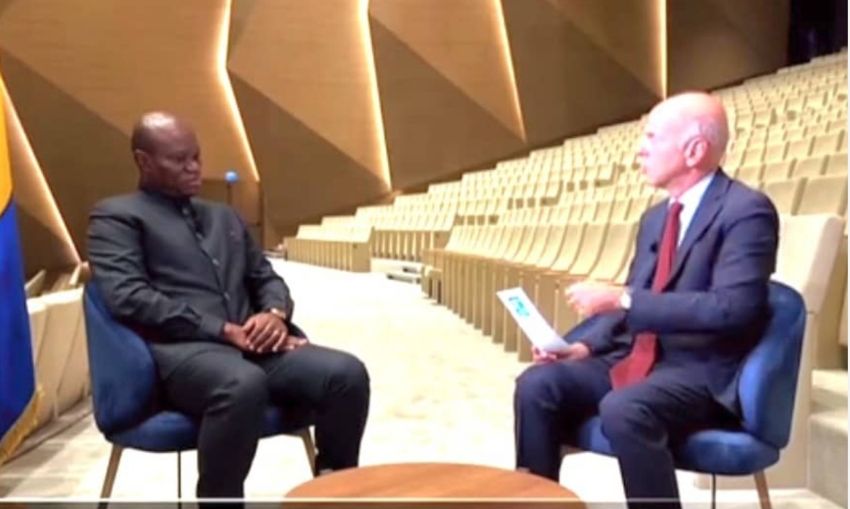
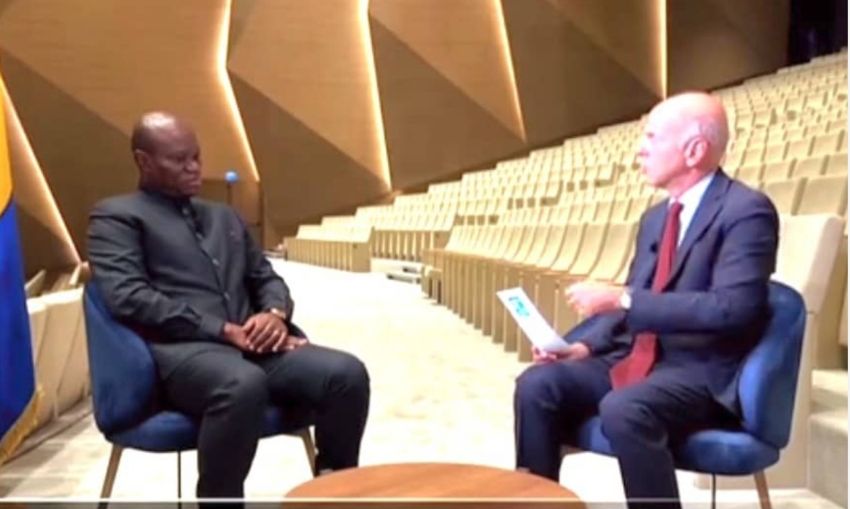
Libreville – In a carefully staged media appearance at the Cité de la Démocratie in Libreville, Gabon’s President Brice Clotaire Oligui Nguema addressed pressing national and global issues during an exclusive interview with a leading international broadcaster. One year after securing over 94% of the vote in a landmark election, the head of state laid out a vision rooted in long-term reform, economic sovereignty, and a commitment to democratic alternation.
The president acknowledged delays in critical sectors such as potable water and electricity but emphasized that his seven-year mandate is designed for structural transformation, not quick fixes. He highlighted investments exceeding 800 billion CFA francs in energy infrastructure, framing progress as a gradual process rather than an immediate expectation.
Economic sovereignty as a guiding principle
Oligui Nguema’s economic doctrine took center stage, particularly regarding Gabon’s relationship with international financial institutions. He confirmed plans to engage with the International Monetary Fund (IMF) but insisted on conducting a full audit of public finances first—a move signaling a desire to regain control over the country’s financial commitments before entering new agreements.
A bold policy shift was announced in the mining sector: starting in 2029, Gabon will prohibit the export of raw manganese, a resource the nation produces at scale. The decision underscores a push to localize value addition by requiring multinational corporations like France’s Eramet to establish processing facilities domestically. Failure to comply would result in a ban on raw ore exports, reshaping the dynamics of Gabon’s extractive economy.
Balanced diplomacy and strategic partnerships
On the international stage, the president rejected the notion that sovereignty equates to isolation. He reaffirmed a scheduled state visit to France in July, describing Gabon’s ties with Paris as cooperative rather than confrontational—a stark contrast to trends in neighboring Sahel nations. Similarly, he declined a U.S. proposal to host deported migrants, stating that such an arrangement did not align with national interests.
The handover of the Camp de Gaulle military base to Gabonese authorities was framed as part of a collaborative process, further illustrating this balanced diplomatic approach.
Rejecting political dynasties and ensuring democratic continuity
In a region often marred by extended presidencies and hereditary transfers of power, Oligui Nguema made a definitive statement: Gabon will not become a political dynasty under his leadership. He stressed that the seven-year presidential term—renewable only once—is a permanent fixture of the nation’s evolving institutional framework, designed to institutionalize democratic alternation.
Addressing the legacy of his predecessor, Ali Bongo Ondimba, he alluded to health concerns without assigning blame, redirecting focus toward future governance rather than past grievances.
A presidency under scrutiny
This interview crystallized the pillars of Gabon’s current political agenda: economic sovereignty, localized resource processing, equitable international partnerships, phased infrastructure reforms, and an unwavering pledge to democratic turnover. Yet, the true test lies ahead. While the president retains significant political capital, public expectations remain high. The Gabonese people will measure success not by rhetoric but by tangible outcomes.
One year into his mandate, Brice Clotaire Oligui Nguema has staked a claim on a simple yet ambitious goal: reclaiming Gabon’s economic and political destiny. Whether this vision can endure the test of time will shape the nation’s future.