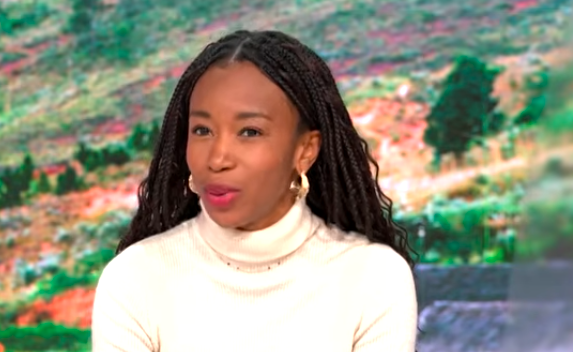
In Senegal and Ivory Coast, women face a disturbing trend: gendered misinformation campaigns that target their bodies, sexuality, and private lives rather than their professional or political ideas. A groundbreaking study, Gendered Misinformation in Senegal and Ivory Coast: Forms, Impact, and Challenges, reveals that 61% of women surveyed in both countries have fallen victim to such attacks.
how gendered misinformation differs from other forms
Unlike misinformation aimed at men—which often focuses on political, economic, or diplomatic issues—gendered misinformation against women systematically undermines their credibility. Women politicians, journalists, activists, and public figures are not attacked for their ideas but for their morality, intimate lives, or perceived impropriety, explains journalist Sadia Mandjo, a leading expert on women’s rights in Africa.
“The goal is to silence them, to force them out of digital spaces,” she emphasizes. The study highlights how these campaigns distort reality, using deepfakes, doctored images, and fabricated narratives to portray women as immoral or untrustworthy.
Comments are closed, but trackbacks and pingbacks are open.