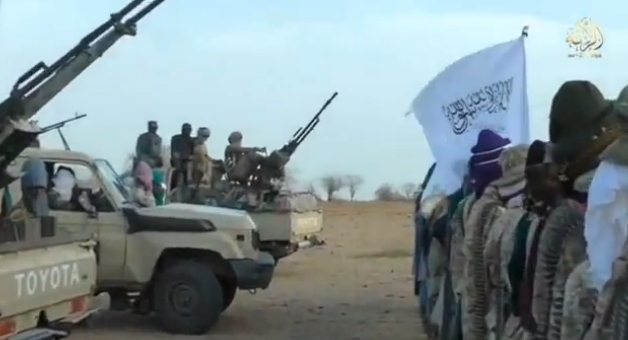
The capital of Mali, Bamako, is currently gripped by profound apprehension following the dissemination of a new video by the Group for the Support of Islam and Muslims (JNIM) on Thursday, June 11, 2026. This development, set against an increasingly volatile security backdrop, has intensified pressure on the ruling military junta, fueled by explicit threats of impending assaults and whispers of instability within state structures.
Psychological warfare intensifies
The footage, released on the evening of June 11 by Al-Qaeda’s affiliate in the Sahel, conspicuously displays extensive logistical and military preparations. Within the recording, the terrorist organization unequivocally declares its intent for «imminent operations» in the forthcoming days, potentially targeting critical national infrastructure or emblematic state institutions.
This display of strength transcends mere intimidation; the JNIM appears to have escalated its psychological warfare by specifically naming Malian intelligence personnel. Reliable accounts indicate that two officers from the National State Security Agency (ANSE) have been placed on a «bounty list» circulated by the group. Local observers report that this individualized targeting has generated considerable alarm within Bamako’s intelligence community.
Challenges to troop morale and the specter of desertions
On the defense front, the evident disquiet among security services mirrors ongoing reports of diminishing morale within the Malian Armed Forces (FAMa). The military command reportedly harbors concerns regarding potential refusals to engage in combat should the JNIM launch a coordinated offensive.
To counteract this perceived lack of motivation and to deter potential desertions or retreats when confronting the adversary, the military junta has reportedly expedited the allocation of exceptional combat bonuses. Yet, numerous analysts specializing in Sahelian security affairs contend that these financial incentives are insufficient to conceal a profound crisis of confidence and a severe morale deficit among rank-and-file soldiers, who have been severely tested by years of asymmetric warfare.
«Monetary bonuses no longer suffice to offset the strategic shortcomings and the pervasive fear of an imminent conflagration,» a defense specialist based in the region disclosed under anonymity.
Indications of unease at the apex of state power
The swift deterioration of the security climate is now creating reverberations among the nation’s political and military elite. Persistent reports, substantiated by unusual movements observed over the past 48 hours, suggest the hurried departure abroad of families belonging to several regime dignitaries, including those of incumbent ministers.
While the transitional authorities have yet to issue an official response regarding these accounts or the JNIM video, such preemptive departures, if corroborated, would underscore an internal lack of confidence in the state’s capability to safeguard the capital and its surrounding areas against the escalating threat.
As the ensuing days loom critically, Bamako remains in a state of suspense, caught between the apprehension of further military escalation and the anticipation of a decisive response from the transitional government.