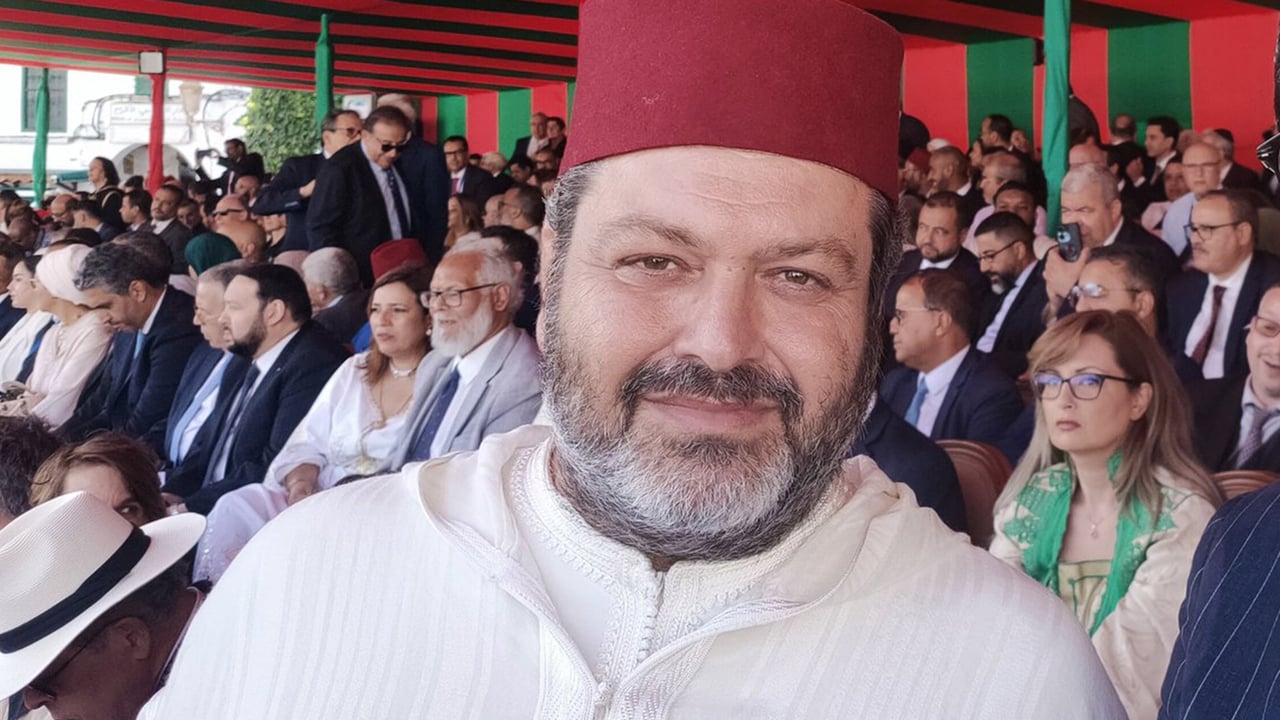
A landmark decision in Morocco‘s corporate landscape has opened a new chapter for one of its most enigmatic business figures. In April 2026, the Moroccan Competition Council approved the acquisition of a controlling 68% stake in Forafic Agro Holdings Limited—a subsidiary of Forafic Global—by Cap Holding, controlled by Chakib Ali. The transaction marked the end of Yariv Elbaz’s majority ownership in a company long seen as a pillar of Morocco‘s agro-industrial sector. With this strategic exit, Elbaz is pivoting toward sectors where cutting-edge innovation meets geopolitical significance: artificial intelligence, drone technology, and defense systems. His journey reflects the evolution of a businessman whose influence spans finance, industry, and international diplomacy.
From Casablanca to Global Ambitions
Yariv Elbaz’s career began in Morocco’s dynamic financial sector, where he quickly established himself as a sharp operator with an eye for high-value opportunities. Yet, it was his foray into industrial leadership—particularly through Forafic Global—that cemented his reputation as a transformative figure. Under his guidance, the company expanded beyond traditional milling, diversifying into food processing and agribusiness. The sale of his majority stake signals not an end to his ambitions, but a bold reorientation toward industries that are reshaping global power dynamics.
A New Strategic Focus
Elbaz’s pivot toward artificial intelligence, drones, and defense systems is no coincidence. These sectors are increasingly central to national security and economic sovereignty, particularly in regions where technological autonomy is a growing priority. His alignment with these industries suggests a calculated move to position himself at the intersection of Morocco’s economic growth and its strategic partnerships with global players.
His influence extends beyond business. Elbaz has emerged as a pivotal figure in the economic dialogue between Morocco, Israel, and the United States, leveraging his network to bridge sectors often kept separate by geopolitical boundaries. Such connections underscore the growing role of private entrepreneurs in shaping international relations.
The Man Behind the Vision
Despite his high-profile dealings, Elbaz remains a relatively private individual. His journey—from finance to industrial magnate to tech-driven investor—paints the portrait of a strategist who thrives in ambiguity. Rumors of his next moves swirl in Casablanca’s business circles, where speculation suggests investments in renewable energy and digital infrastructure could follow.
What remains clear is that Elbaz’s transition is more than a career shift; it’s a reflection of Morocco’s own transformation. As the country positions itself as a hub for innovation and industrial growth, entrepreneurs like Elbaz are redefining what it means to build a legacy in a rapidly evolving economy.
Comments are closed, but trackbacks and pingbacks are open.