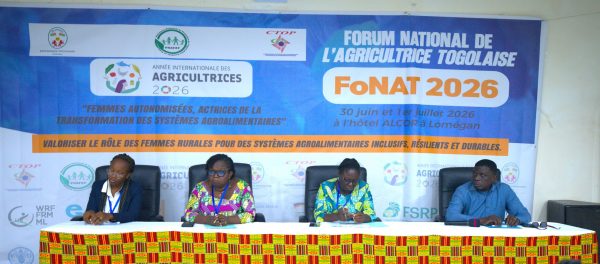
At the National Forum of Togolese Women Farmers (FoNAT 2026) in Lomé, rural women are calling for greater recognition of their pivotal role in Togo’s agricultural transformation.
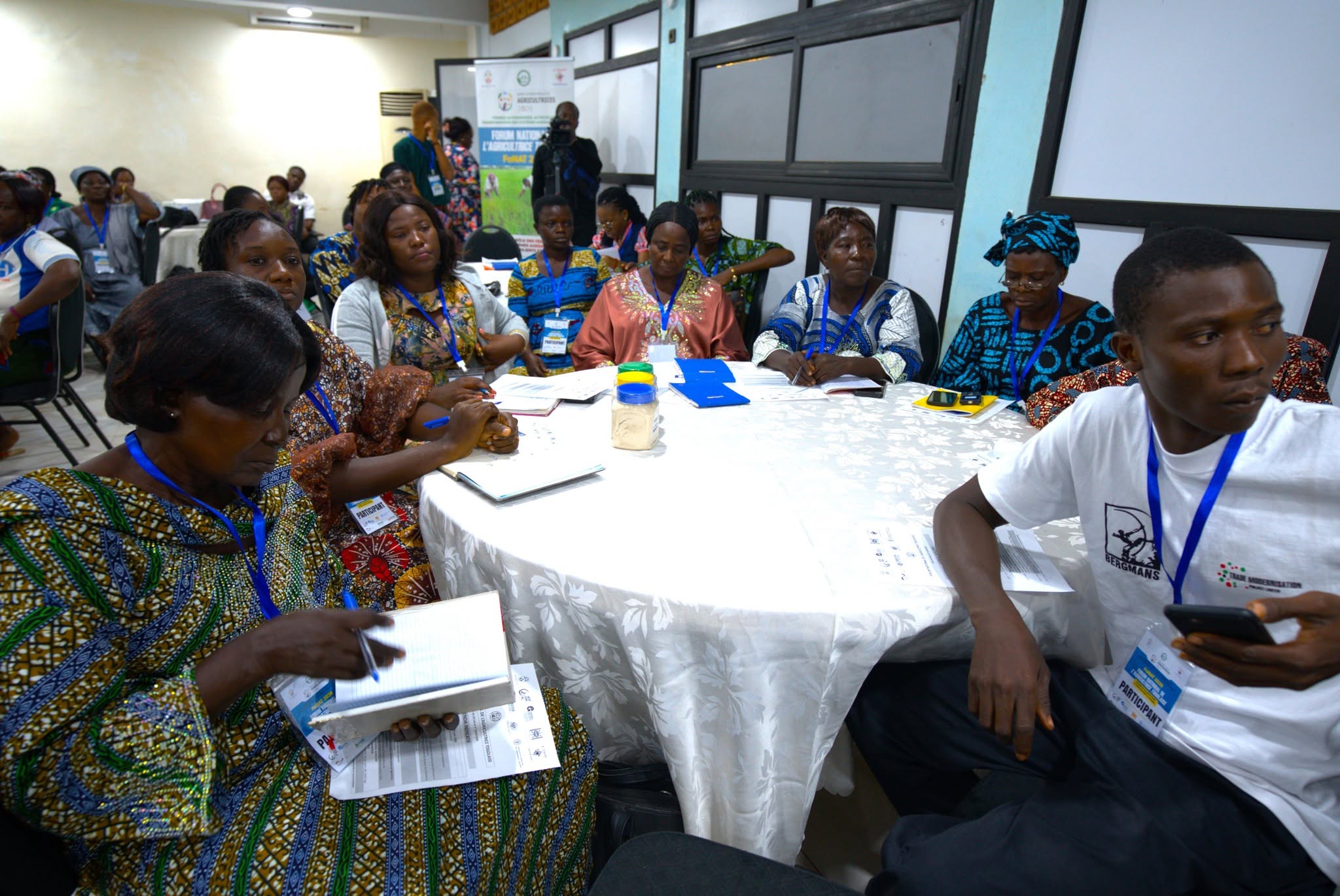
Lomé, July 2026 – Women in Togo’s agricultural sector are the backbone of food production, yet systemic barriers continue to limit their potential. From restricted land ownership to limited access to financing and modern farming technologies, these challenges have long constrained their ability to drive economic growth and food security. Now, hundreds of rural women are gathering in Lomé for the National Forum of Togolese Women Farmers (FoNAT 2026) to demand a seat at the decision-making table.
ADVERTISING
The forum, organized by the Togolese Coordination of Peasant and Agricultural Producer Organizations (CTOP) and the National Platform of Togolese Women Farmers (PNAFAT), coincides with the United Nations’ International Year of Women in Agriculture 2026. Participants are determined to turn this momentum into actionable policies that address the most pressing hurdles faced by women in the sector.
Breaking down barriers to agricultural progress
Discussions have highlighted recurring obstacles that hinder women’s full participation in agriculture. Land ownership remains a critical issue, with legal, cultural, and economic constraints preventing women from securing the resources needed to expand their operations. Access to financing, adoption of agricultural innovations, and climate resilience are equally pressing concerns, all of which are essential for unlocking women’s economic independence and strengthening national food systems.
For the women gathered in Lomé, these challenges are not isolated—they are interconnected. Addressing them holistically is the only way to ensure their meaningful contribution to Togo’s agricultural future.
Showcasing local innovation and enterprise
A parallel exhibition at the forum spotlights locally produced goods crafted by women-led agribusinesses. This marketplace not only highlights the diversity and quality of Togolese agricultural products but also fosters direct trade opportunities between producers, buyers, and potential investors. By bridging the gap between policy discussions and market realities, the initiative underscores the transformative power of women entrepreneurs in the agricultural value chain.
Driving national change through global partnerships
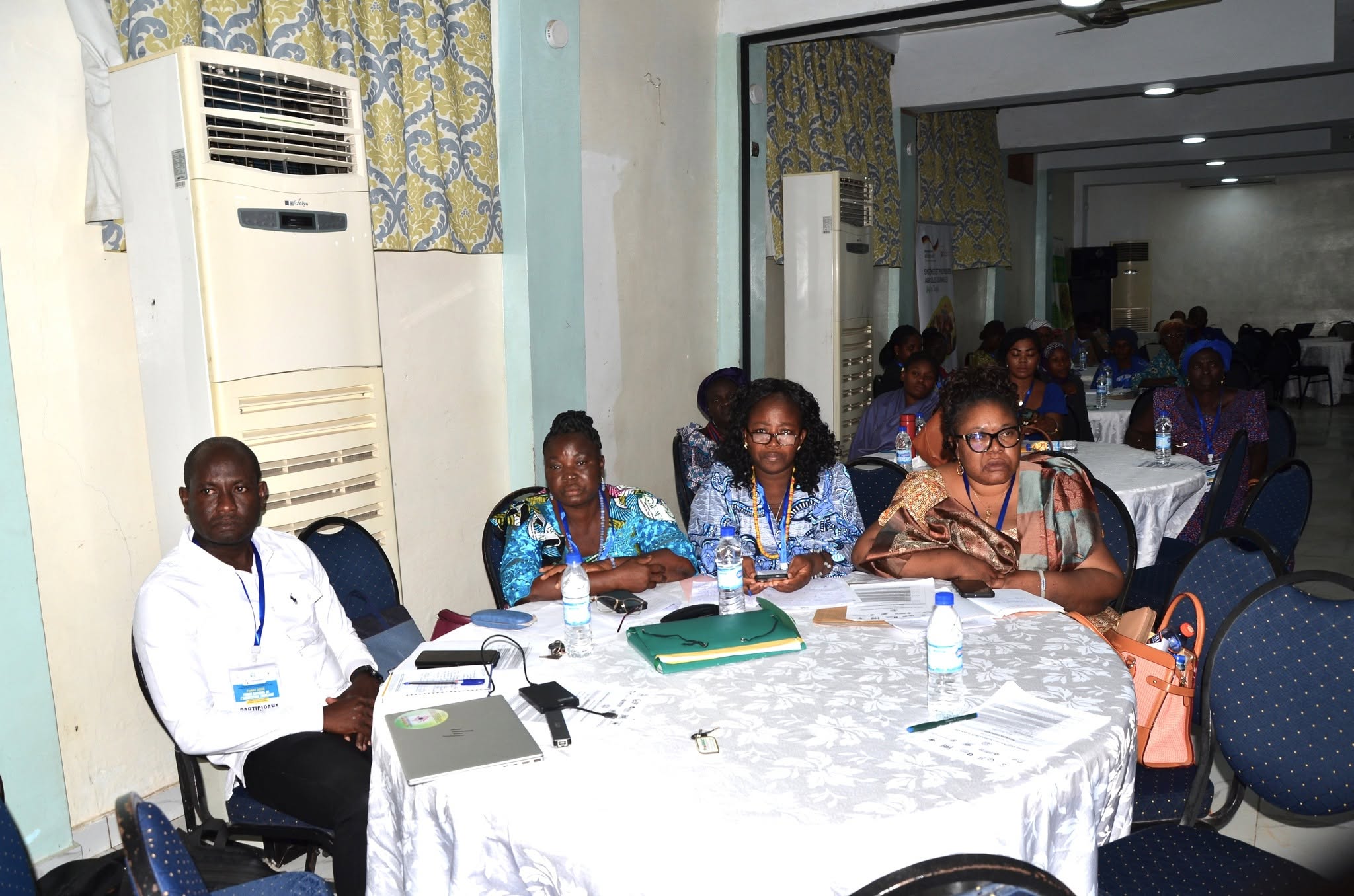
The FoNAT 2026 initiative has garnered support from a coalition of technical and financial partners, including the Basque Cooperation Agency, the World Rural Forum, the Food System Resilience Program in Togo (FSRP), the AgSyS/GIZ project, Carrefour International Canada, the Food and Agriculture Organization (FAO), and GIZ. Together, these organizations aim to translate the forum’s outcomes into concrete policy recommendations that can reshape Togo’s agricultural landscape.
As agriculture remains a cornerstone of Togo’s economy, empowering women farmers is no longer optional—it is a strategic necessity. By equipping them with the tools, resources, and policy support they need, Togo can enhance food security, boost rural incomes, and build resilience against climate change. The FoNAT 2026 forum is more than a gathering; it is a call to action for a more inclusive and sustainable agricultural future.
Fostering collaboration for lasting impact
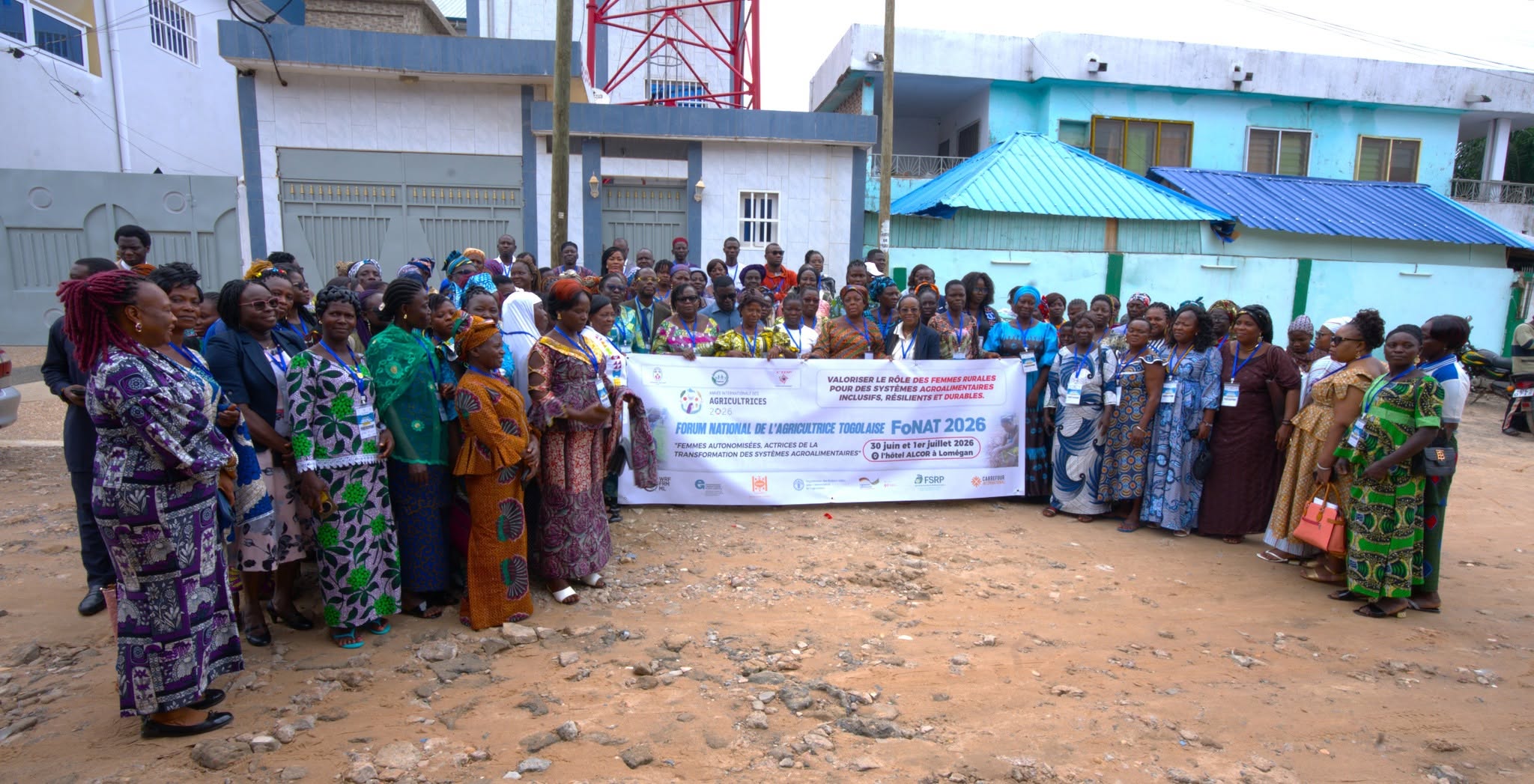
The forum’s success hinges on sustained collaboration between policymakers, development partners, and grassroots organizations. By aligning international support with local realities, Togo can create an enabling environment where women farmers thrive—not just as beneficiaries, but as leaders driving the nation’s agricultural transformation.
Comments are closed, but trackbacks and pingbacks are open.