Conakry’s strategic role in west african arms trafficking
Guinea’s capital, Conakry, has emerged as a critical transit hub for shipments bound for Mali, with Russian-flagged cargo vessels increasingly passing through its port. Investigations reveal that these consignments, often linked to private military entities, are altering the security landscape across the Sahel.
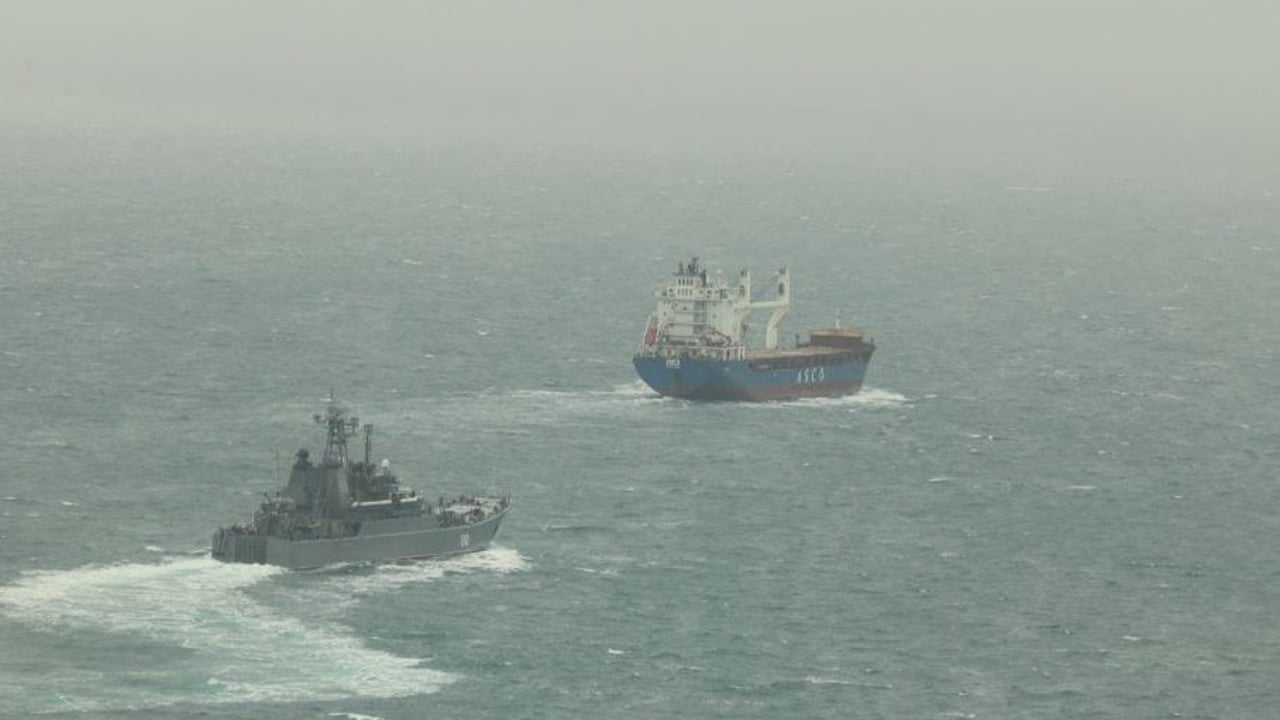
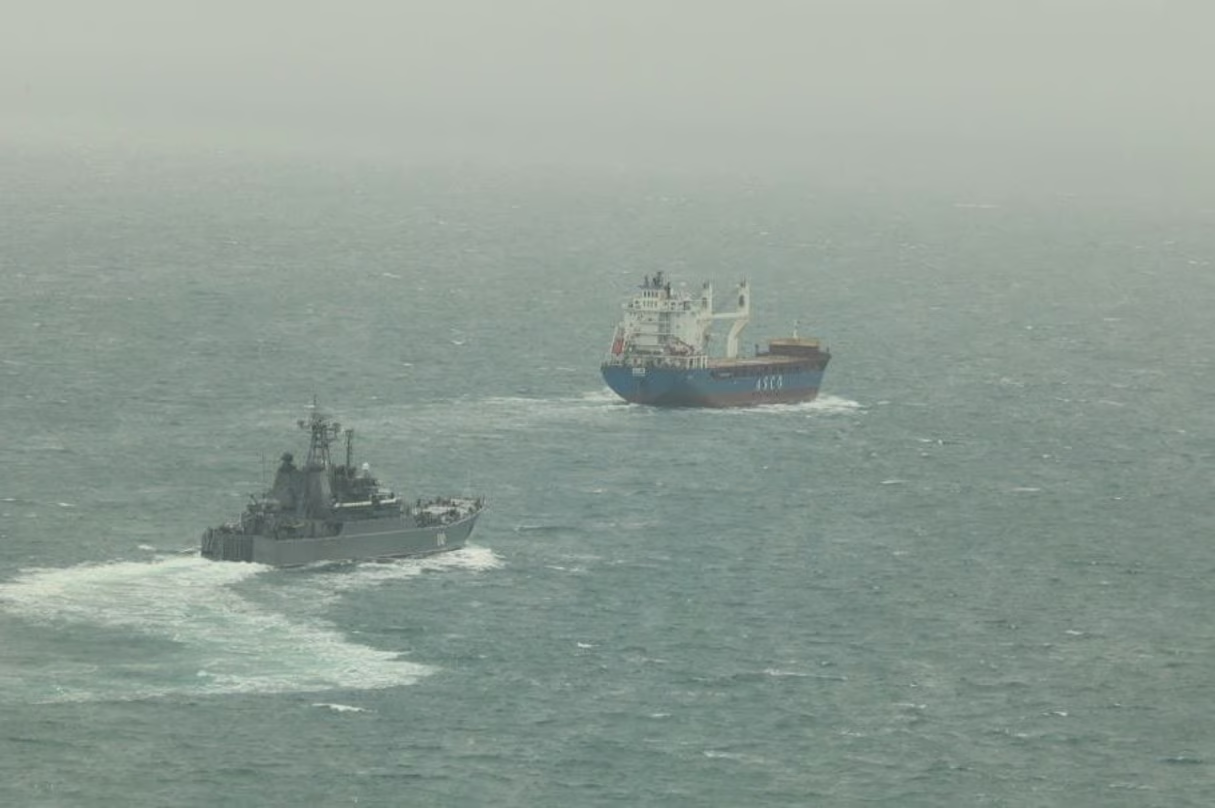
In March 2026, satellite imagery captured a Russian-escorted cargo ship, the *Sabetta*, navigating the English Channel en route to West Africa. The vessel’s documented journey underscored Conakry’s growing significance in smuggling operations that bypass international scrutiny.
From port logistics to regional security threats
The transformation of Conakry’s port into a key node for illicit arms transfers reflects deeper geopolitical shifts. While official channels remain opaque, port authorities confirm an uptick in unregistered cargo operations, particularly involving non-state actors.
Analysts highlight that these shipments often align with the movements of entities like the Africa Corps and Wagner Group, both reportedly active in Mali’s conflict zones. The cargo, which includes small arms and logistical equipment, is frequently offloaded under cover of night, complicating detection by regional oversight bodies.
Regional reactions and diplomatic tensions
Guinea’s government has faced mounting pressure to address allegations of complicity or negligence. President Mamadi Doumbouya recently pledged enhanced port security measures, though critics argue such steps may be insufficient given the scale of illicit activity.
Neighboring countries, including Mali, have expressed concerns over the destabilizing impact of these arms flows. The Malian transitional authorities have called for regional cooperation to curb the proliferation of unchecked weaponry, which threatens to exacerbate insurgencies in central and northern Mali.
Economic and legal loopholes exploited
The port’s commercial incentives—such as reduced customs inspections for certain cargo types—create fertile ground for exploitation. Investigations suggest that some shipments are misdeclared as humanitarian aid or agricultural equipment, further obscuring their true nature.
Legal experts point to gaps in ECOWAS maritime security protocols, which allow vessels to switch flags or ownership mid-voyage, complicating tracking efforts. This regulatory weakness is compounded by limited surveillance capabilities in Guinean territorial waters.
Future outlook: Can oversight catch up?
Efforts to tighten port security are underway, including the deployment of advanced scanning technology and stricter documentation requirements. However, the challenges remain daunting. The interplay between economic interests, geopolitical alliances, and weak governance structures continues to undermine efforts to stem the flow of illicit arms.
For now, Conakry’s port remains a pivotal yet perilous gateway—one that demands immediate, coordinated action to prevent further destabilization across West Africa.