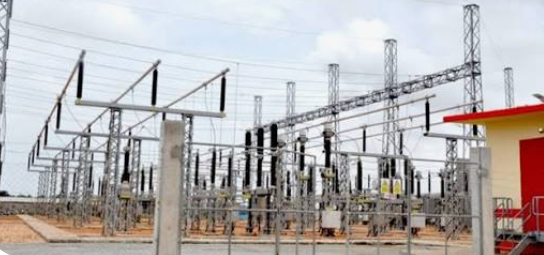
Recent intermittent power failures have affected the CEB community, largely due to dwindling water reserves in dams. This environmental challenge was exacerbated by a significant fire on April 23 at an installation linked to the Akosombo dam in Ghana. This incident stripped the regional network of a vital portion of its capacity. While Bénin might have faced a total blackout in previous years, the proactive investments made by the Talon administration, specifically through the Maria-Gléta 2 plant, are currently keeping the nation powered.
Ghana halts exports amid 1,000 MW deficit
The West African power grid is currently under immense strain. Ghanaian authorities report a massive shortfall of approximately 1,000 MW following the fire. To stabilize its own domestic supply, Accra made the difficult choice to stop exporting electricity to its neighbors, including Burkina Faso, Togo, and Bénin.
For Cotonou, this sudden disruption serves as a critical stress test. Although SBEE customers have experienced some service interruptions, a total collapse of the grid has been avoided through long-term strategic planning.
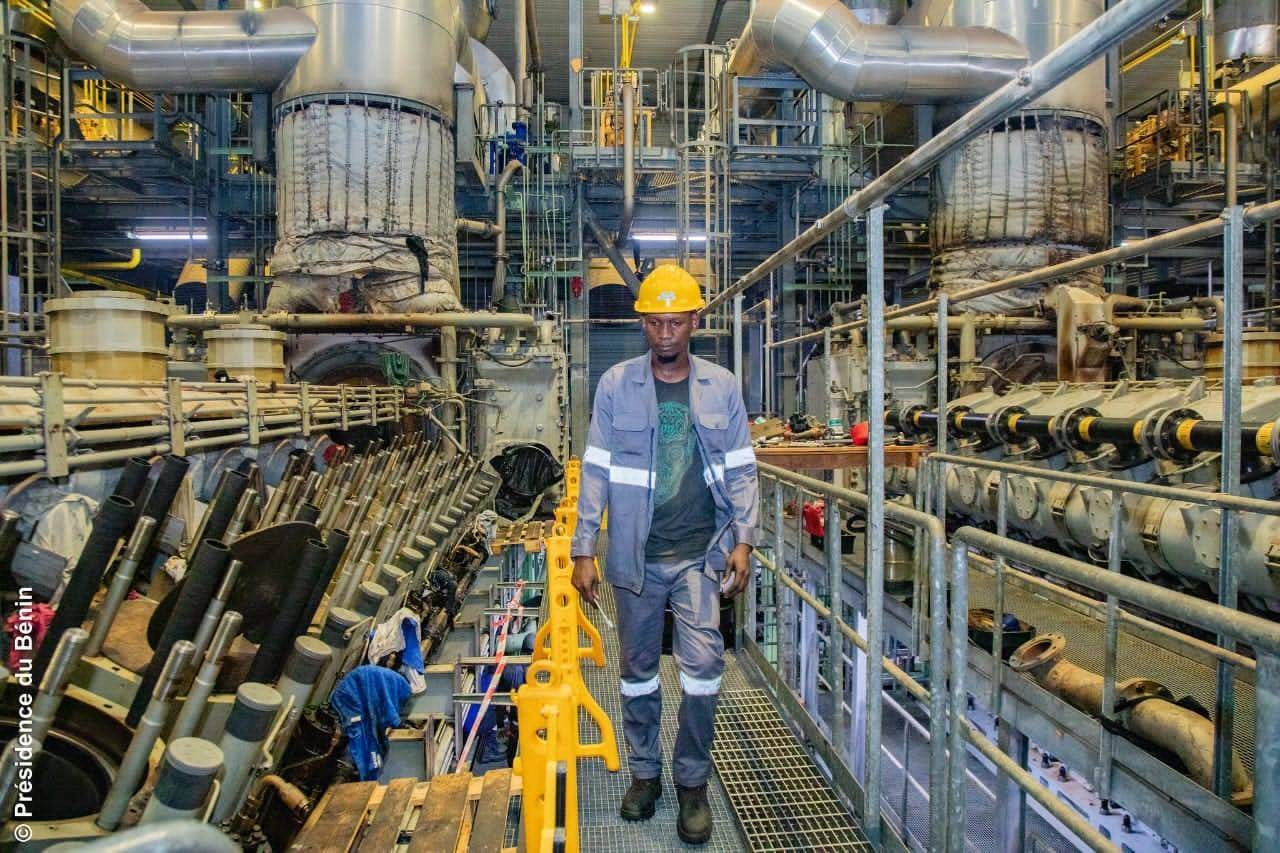
Maria-Gléta 2: The cornerstone of national resilience
Bénin’s ability to withstand this crisis is the result of a clear political vision translated into industrial infrastructure. In the past, a failure of this magnitude from a Ghanaian supplier would have crippled the local economy and left households in darkness for weeks.
Today, the Maria-Gléta 2 thermal plant—a flagship project of the Government’s Action Programme (PAG)—is fulfilling its role as a national safeguard. This facility is currently operating at high capacity to fill the void left by halted imports. It acts as a vital buffer, turning a potential national disaster into a manageable technical challenge.
“Every megawatt generated on Béninois soil represents a step toward sovereignty and guaranteed comfort for our citizens.”
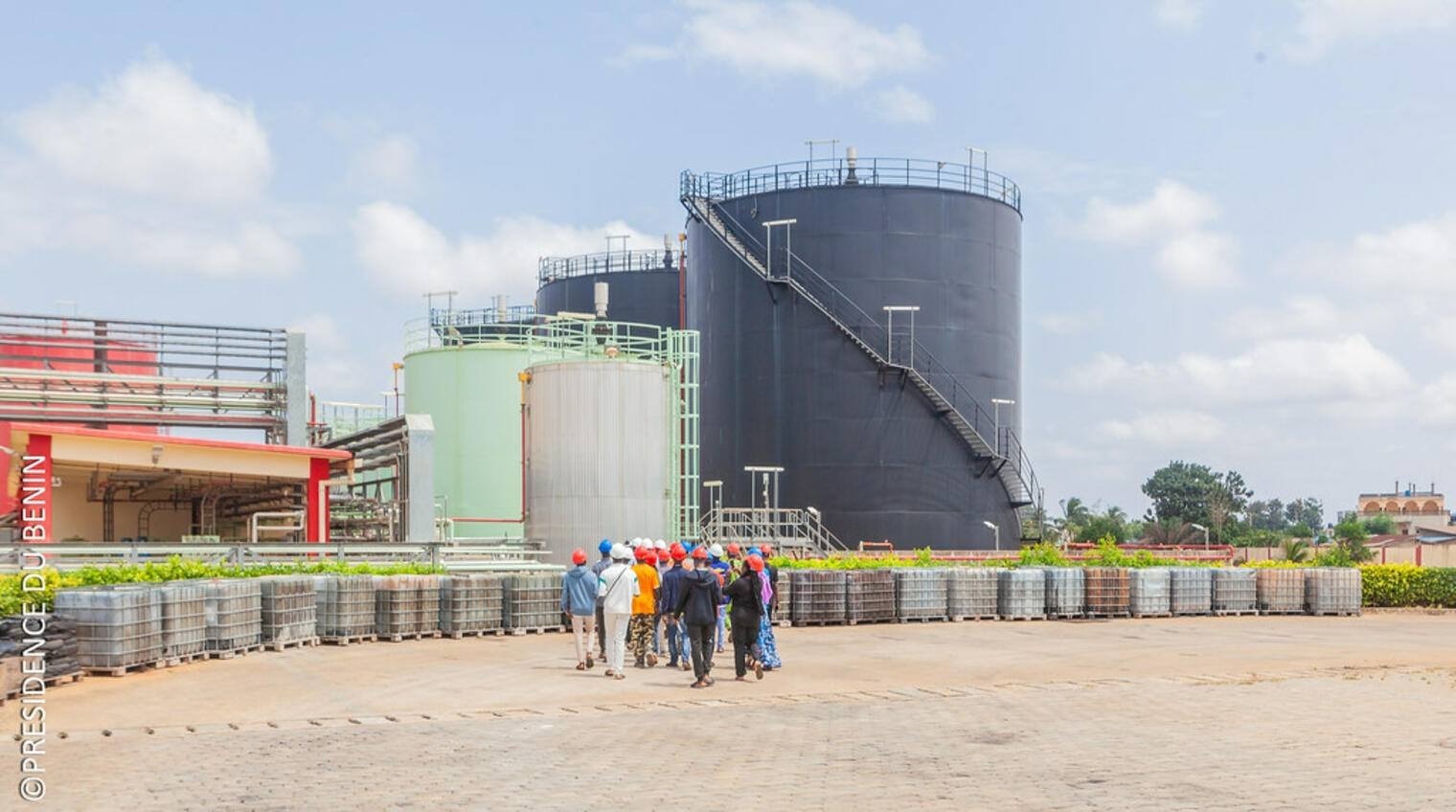
The path toward full energy autonomy
The administration of Patrice Talon is determined to end the era of vulnerability to neighboring grid fluctuations. Recognizing that true national sovereignty depends on energy self-sufficiency, the government is accelerating its efforts. The roadmap involves modernizing distribution networks and diversifying energy sources, with a strong emphasis on solar energy projects.
The ultimate goal is total autonomy. By strengthening domestic thermal and renewable capacities, Bénin ensures that its industrial growth and the daily lives of its people are no longer hostage to technical accidents occurring across its borders.
Validating strategic choices
While recent sporadic outages indicate that some regional dependence remains, the current situation proves the value of the massive investments initiated since 2016. By constructing Maria-Gléta 2, the government has provided Bénin with unprecedented resilience. The direction is clear: energy independence is transitioning from a distant ambition into a tangible reality.