Why the Tabaski sheep is breaking Senegalese households
Every year, millions of Senegalese plunge into debt to buy a sheep for Tabaski, transforming a religious duty into a social nightmare that drains family budgets and fuels a dangerous credit cycle.
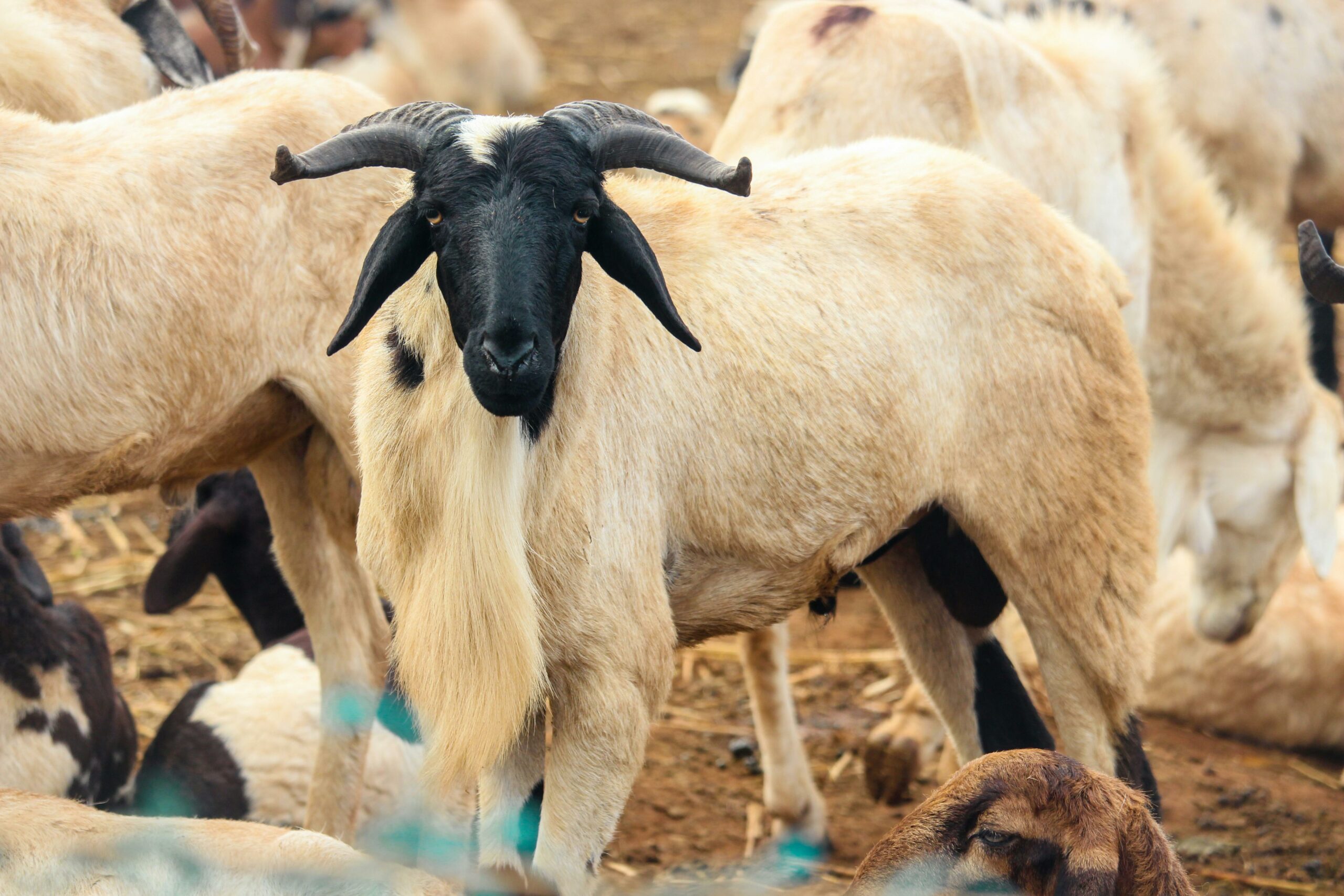
Two weeks before Tabaski, a wave of dread sweeps through Dakar’s working-class neighborhoods. The cost of a decent sheep has leapt again—from 120,000 FCFA yesterday to 150,000 FCFA today, and for the most photogenic animals, prices soar past 300,000 FCFA. For a father earning the minimum wage of 60,239 FCFA per month, that means dedicating two and a half months of income to a single animal—not for meat, but for tradition.
From faith to financial strain: Tabaski’s hidden burden
Mamadou Sall, a resident of Sacré-Cœur earning around 60,000 FCFA monthly, starts feeling the squeeze in May. By July, he must scrape together 150,000 FCFA—more than two full paychecks—to meet family expectations. Banks won’t lend for sheep, so he turns to local tontines, where interest rates during Tabaski spike to 30–50%. A 150,000 FCFA loan could cost him an extra 3,750 to 6,250 FCFA in fees, followed by 12 months of repayments.
Between 35% and 45% of all microfinance loans in Senegal during Tabaski season go toward sheep purchases—a staggering figure that reveals how one festival has hijacked the country’s credit system. What should be a moment of spiritual reflection has become a high-stakes social performance.
Prices have skyrocketed—with no end in sight
A decade ago, a Tabaski sheep cost 60,000 to 80,000 FCFA. Today, the average price hovers between 150,000 and 250,000 FCFA—a jump of 87% to 275%. This inflation isn’t tied to general price increases; it’s pure speculation. With demand locked in for just two months, sellers know buyers have no choice but to pay. The result? A sheep that was once a modest expense has become a financial albatross.
The SMIG minimum wage in Senegal stands at 60,239 FCFA per month. To afford a 150,000 FCFA sheep, a worker must set aside 2.5 months of earnings—before accounting for clothes, food, and gifts. For the 60% of Senegalese living below the poverty line, the only option is debt.
Who’s borrowing—and why?
In 2024, Senegal’s microfinance institutions saw a 62% surge in loan applications during Tabaski season, with average requests ranging from 120,000 to 200,000 FCFA. This flood of short-term debt creates a financial tsunami that ripples through households for months.
The dark side of social media pressure
Tabaski’s transformation into a status symbol has accelerated thanks to Instagram and WhatsApp. Where once only neighbors saw your sheep, now hundreds of online contacts judge, compare, and critique. Research from Cheikh Anta Diop University in 2023 found 67% of young Dakarois feel social pressure to buy a sheep, with 48% citing social media as the primary source of that pressure.
For men, the stakes are highest. In Senegalese culture, it’s the man’s responsibility to provide the sheep. Fail to do so, and whispers of inadequacy spread fast. The result? More debt, more shame, and more families pushed to the brink.
The hidden cost: hunger, health, and broken budgets
Households that take Tabaski loans slash their food and healthcare spending by 18–25% in the months that follow. Children miss school fees, essential medicines go unfilled, and rural farmers divert agricultural loans—meant for seeds and fertilizer—into sheep purchases. Between 8% and 12% of Senegal’s agricultural credit is misused for Tabaski each year, crippling future harvests.
Morocco solved this 25 years ago—why hasn’t Senegal?h2>
In 1999, Morocco’s king declared that every poor citizen should receive a sheep for Tabaski—not as charity, but as a right. The program, funded by the Zakat Al-Fitr royal foundation, now distributes over 2.8 million sheep annually at a cost of 43 billion FCFA (less than 0.1% of the national budget). Senegal, meanwhile, has no such program. A handful of municipalities and private religious groups offer limited assistance, but the vast majority of families are left to fend for themselves in an unforgiving market.
Morocco recognized that making Tabaski contingent on personal wealth strips away its spiritual meaning. By treating it as a public good, the country eliminated debt-driven stress and preserved the holiday’s true purpose. Senegal could adopt the same model—but so far, nothing has changed.
A crisis of debt and despair
Three months after Tabaski, Senegal’s debt collectors report their busiest season. Households prioritize loan repayments over food, healthcare, and education. The mental toll is severe: according to Dakar’s Mental Health Research Center, calls to helplines spike by 100% among men aged 30–55 in the weeks leading up to Tabaski. The fear of not affording a sheep is driving a silent mental health epidemic.
How did we get here?
The problem stems from two forces: the rise of ostentatious consumption and the absence of public policy. Tabaski, once a simple act of faith, has been hijacked by urban consumerism and social media validation. With no government intervention, families are trapped in a cycle of debt that repeats every year. Mamadou Sall’s phone already rings with tontine reminders. Tabaski 2025 is coming. The prices are climbing. The interest rates are too. And the cycle begins again.