The once-unshakable reputation of Russia’s paramilitary forces in the Sahel now faces a critical test in the shifting sands of Anéfis, Mali. Recent clashes in this strategically vital northern town have sent shockwaves through West African diplomatic circles, raising a pressing question: Is the myth of Africa Corps’ invincibility crumbling under the weight of local resistance?
The strategic lock of Anéfis: where plans falter
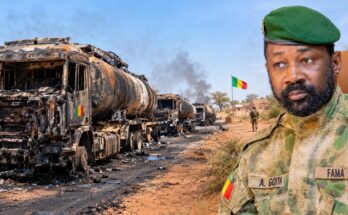
Anéfis isn’t just another dot on the map—it’s a pivotal logistical hub along the road to Kidal, the heart of Tuareg rebel influence. Here, the combined might of Mali’s armed forces (FAMa) and their Russian advisors found itself cornered in a disastrous operation. Trapped between the mobile guerrilla tactics of the CSP-DPA rebels and the relentless asymmetric strikes of jihadist factions, Africa Corps suffered staggering losses—destroyed armored vehicles, abandoned heavy equipment, and a grim tally of fallen or captured troops. The images emerging from the battlefield starkly contradict the ironclad propaganda peddled from Bamako and Moscow.
Moscow’s gamble on asymmetric warfare backfires
For Russia, the Anéfis debacle transcends a localized setback; it strikes at the core of its Sahel geopolitical narrative. By aligning with the Alliance of Sahel States (AES), Moscow promised swift, brutal efficiency—an outright rejection of decades of Western interventions like Barkhane and MINUSMA, which locals had grown disillusioned with. Yet the harsh reality of the desert has exposed glaring weaknesses:
- Desert quagmire: Holding isolated garrisons in the vast emptiness against hyper-mobile indigenous fighters drains resources at an alarming rate.
- Intelligence gaps: Despite advanced surveillance tech, Africa Corps consistently underestimates the resilience and coordination of northern rebel forces.
- Overstretched substitute army: Entangled in other global conflicts, Russia cannot indefinitely deploy elite troops to the Sahel’s endless dunes. Africa Corps’ forces, though formidable, are stretched thin, forced to play a losing game of whack-a-mole across a territory the size of Europe.
Bamako’s fragile alliance under scrutiny
In Bamako, the ripple effects are undeniable. The transitional government’s entire security strategy hinges on Russia’s promised protection. When that shield falters under deadly ambushes, the dream of full territorial reconquest collapses like a house of cards. The Anéfis battle may well mark a turning point in the Sahel crisis, proving that brute force and battle-hardened mercenaries—no matter how skilled—cannot resolve deep-seated political and identity-driven conflicts.
For Moscow, the Sahel is no longer a low-cost display of influence. It’s fast becoming a costly sand trap, where ambition meets the unforgiving limits of asymmetric warfare.