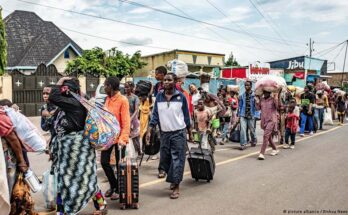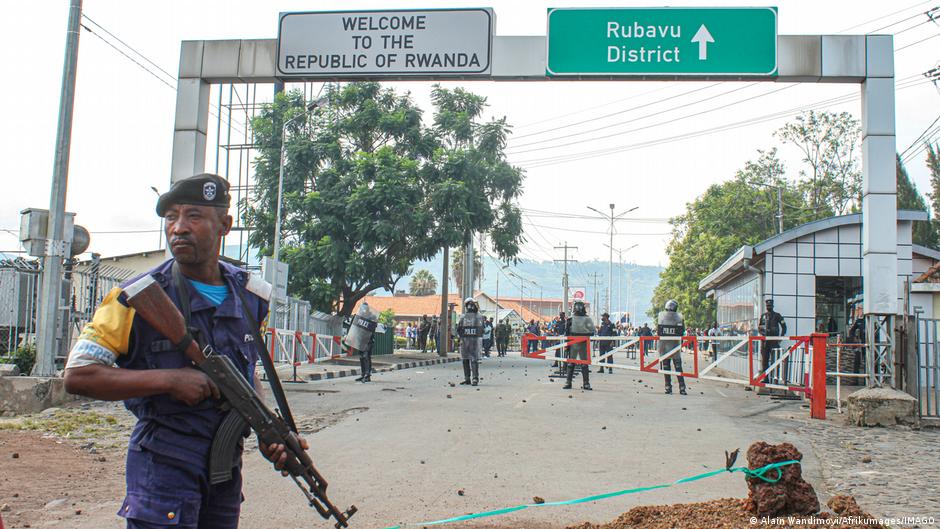
The cessation of movement at the border crossings connecting Goma in the DRC and Gisenyi in Rwanda is triggering deep concern among the local population.
Jacques Safari has spent years selling eggs as a street vendor near the frontier. Since the gates were locked, his earnings have plummeted. “Our profits have crashed. Before the border was shut, I could move five trays of eggs every day. Now, I struggle to sell even two. This is a direct result of the economic hardship caused by the closure, as most of my customers were travelers,” he explains.
Supply chain disruptions
Large-scale traders are also feeling the squeeze. Wholesalers dealing in manufactured goods report significant hurdles in sourcing their inventory since the passage to Rwanda was blocked.
Hamuli Kasilembo, a wholesaler at the Birere market, notes that the flow of trade has stalled. “When the border was open, crossing for supplies was simple. Now, the situation is incredibly difficult. Even finding customers is a challenge because money is no longer circulating like it used to,” he says.
Predictable economic fallout
Financial experts argue that the negative impact of this shutdown was entirely predictable. The commercial corridor between Goma and Gisenyi is the lifeblood of both cities, and thousands of traders depend on this daily traffic for their survival.
Economist Alphonse Muanda points out that small-scale entrepreneurs are the primary victims of these restrictions. “When authorities close the border, it is the small traders who suffer the most. Many rely on daily income and cross-border exchanges for their livelihood. Others depended on Gisenyi to buy essential goods like rice, soap, and other consumer products in bulk,” he observes.
The Rwandan authorities originally implemented the closure as a sanitary precaution to prevent the spread of the Ebola virus. As these restrictive measures remain in place, many residents in Goma are increasingly worried about a deepening social and economic crisis in the coming weeks.