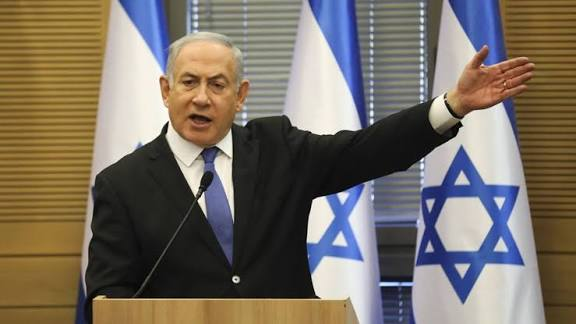
Israeli election delivers crushing blow to Netanyahu’s governing coalition
Israel’s political landscape has entered uncharted territory following legislative elections that delivered an unprecedented setback to Prime Minister Benjamin Netanyahu’s ruling alliance. The once-dominant Likud coalition has lost its absolute majority in the Knesset, triggering deep institutional uncertainty and sparking fierce national debate.
Official figures confirm decisive parliamentary loss
The final vote count, certified by the Central Election Commission after days of scrutiny, confirms the collapse of Netanyahu’s right-wing bloc and its ultra-nationalist and religious allies. With fewer than 61 seats secured, the outgoing government can no longer command a stable parliamentary majority.
Key figures in the erosion of support:
- The Likud and allied parties fell short of the 61-seat threshold needed to govern independently
- Centrist opposition alliances led by figures such as Gadi Eisenkot and Yair Lapid gained substantial ground
- Arab political parties achieved historic turnout and secured significant parliamentary representation, shifting the balance of power against Netanyahu’s coalition
Netanyahu alleges electoral irregularities amid opposition backlash
Facing defeat, Prime Minister Netanyahu swiftly accused election officials of procedural irregularities. He publicly challenged the validity of thousands of ballots, particularly in districts with high Arab voter participation, claiming widespread fraud despite no evidence to support large-scale manipulation.
The opposition was quick to respond:
Centrist leaders condemn Netanyahu’s claims as undemocratic
« Disputing clear election results that do not favor one’s agenda constitutes an unprecedented assault on Israel’s democratic institutions, » stated a spokesperson for the centrist coalition. Opposition figures have accused Netanyahu of attempting to subvert the electoral process to avoid a political and judicial reckoning.
Israel trapped in political impasse after decisive vote
Despite the Central Election Commission dismissing claims of systemic fraud and reaffirming the integrity of the vote, Israel now faces a paralyzing dilemma. With no clear parliamentary majority in sight, the nation must navigate either protracted coalition negotiations that may yield an unstable government, or the prospect of a second round of elections — a move likely to deepen public fatigue after years of recurring political turmoil.
The fractured Knesset reflects a deeply divided electorate, with no single bloc commanding the confidence to govern effectively. As lawmakers prepare for intensive bargaining sessions, the country remains on edge, watching to see whether democracy will triumph over disruption.
Comments are closed, but trackbacks and pingbacks are open.