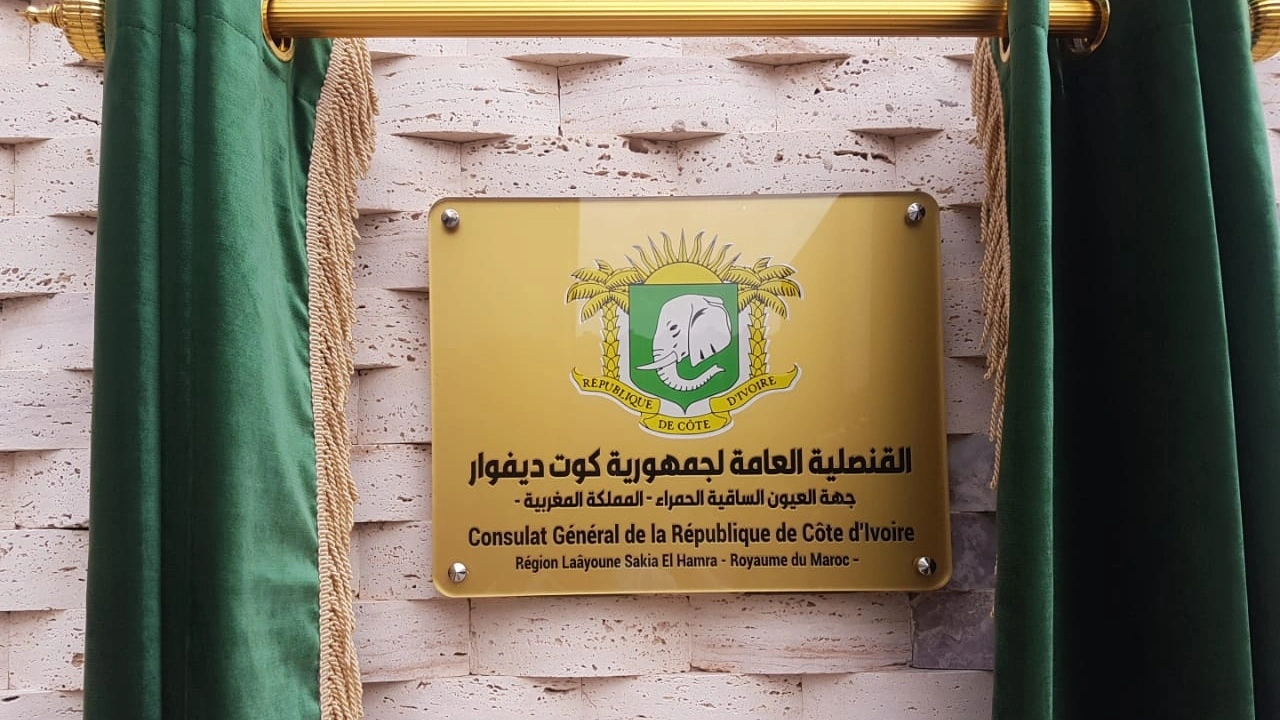
During a recent regional seminar of the United Nations Special Committee on Decolonization (C24) held in Managua, Nicaragua, Ivory Coast reaffirmed its unwavering support for Morocco’s Autonomy Initiative as the definitive solution to the long-standing regional dispute over Western Sahara.
The Ivorian delegation emphasized that this proposal, backed by nearly 130 countries—including three permanent members of the UN Security Council—aligns with international law, the UN Charter, and relevant resolutions adopted by the international community.
Highlighting the significance of this initiative, the delegation pointed to UN Security Council Resolution 2797, adopted in 2025, which endorses the plan’s approach. The resolution underscores the initiative’s recognition of Western Sahara’s unique context, offering its inhabitants a meaningful role in shaping the region’s political and socio-economic future.
Politically, residents of Western Sahara exercise their right to choose local and national representatives through regular democratic elections across Morocco, the delegation noted. It also praised the participation of elected representatives from the region in the C24’s deliberations, underscoring their inclusion in the process.
Economically, the Ivorian delegation highlighted the tangible benefits flowing to the southern provinces of Morocco through massive investments under the 2015 New Development Model. These efforts have not only elevated living standards but also significantly improved the region’s Human Development Index, reflecting Morocco’s commitment to equitable development.
The delegation also commended Morocco’s strides in advancing human rights, citing the enhanced role of regional commissions of the National Human Rights Council in Laâyoune and Dakhla, as well as strengthened collaboration with the UN High Commissioner for Human Rights.
Concluding its statement, Ivory Coast praised Morocco’s relentless pursuit of a mutually acceptable compromise, asserting that these concrete actions underscore the credibility and viability of the Autonomy Initiative. The plan empowers Western Sahara’s residents with substantial autonomy, granting them key prerogatives to manage their own affairs.