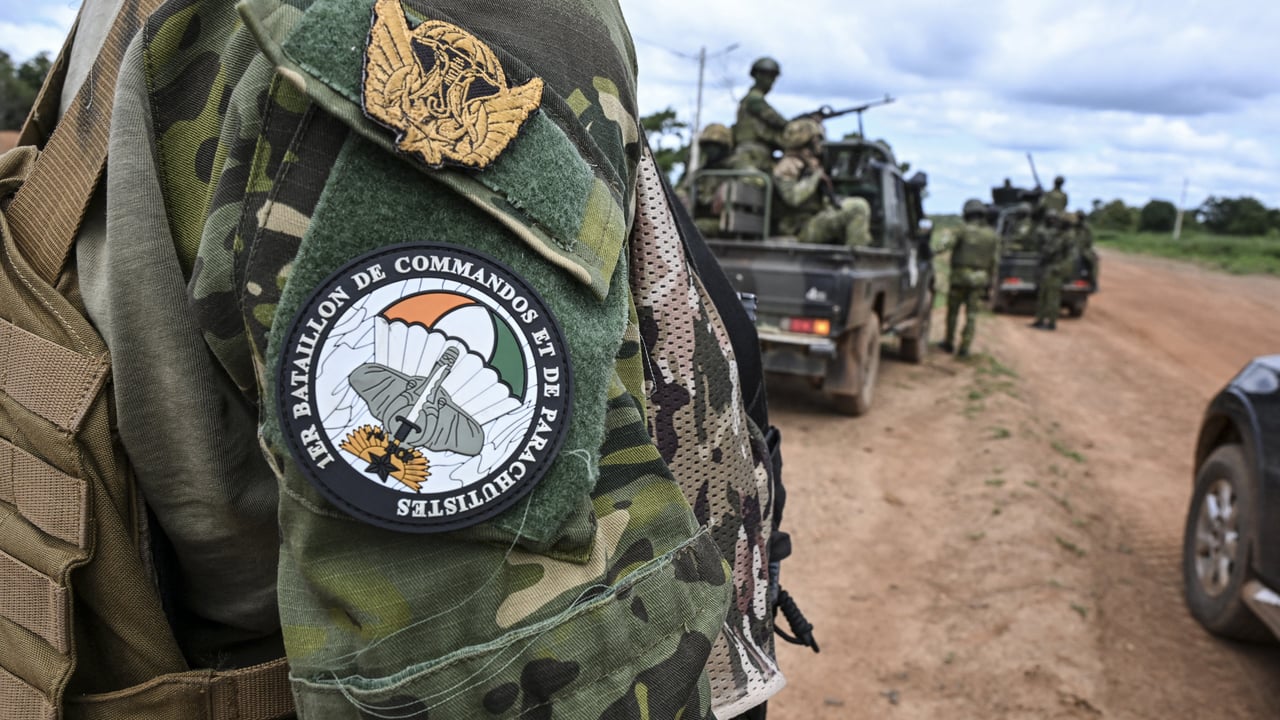
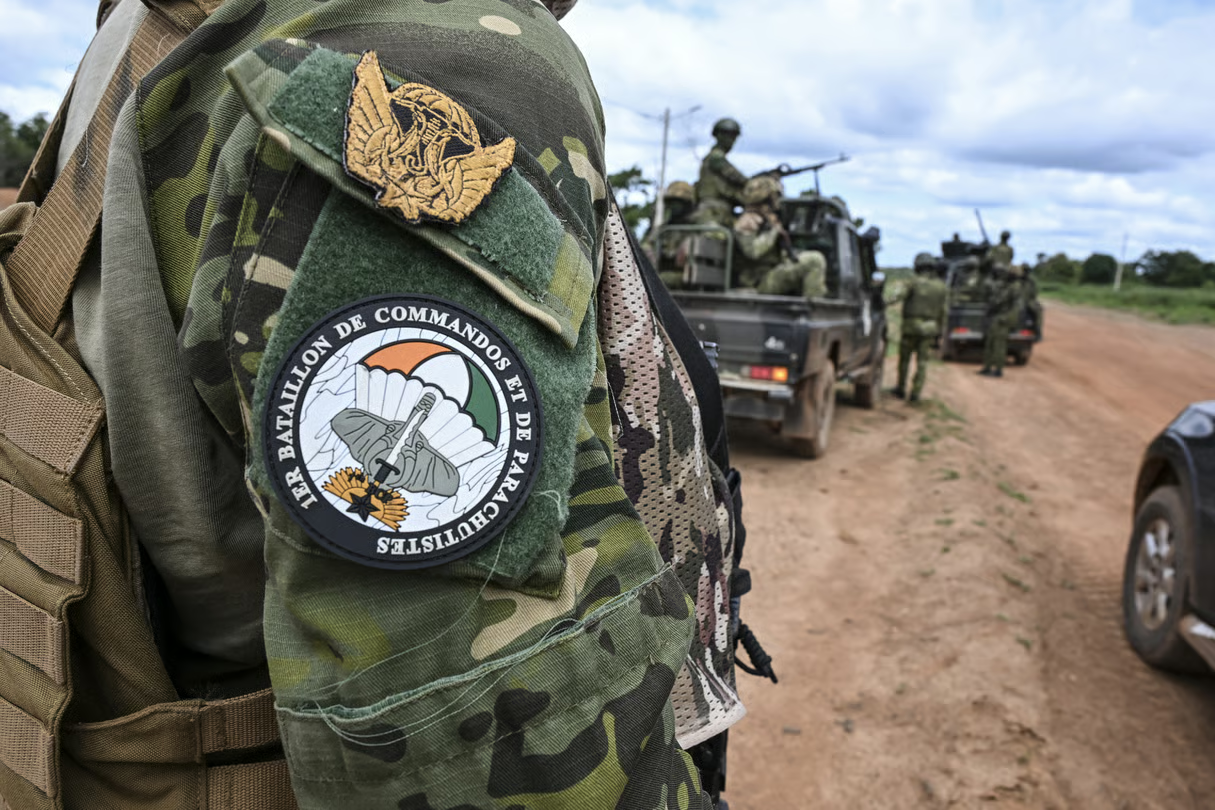
In the dusty villages of northern Côte d’Ivoire, where the savanna meets the Sahel, a fragile yet determined line of defense is holding strong. Against a backdrop of spreading extremist threats across the region, local forces have become the last bastion of stability. Their mission: to shield communities from the violence that has consumed neighboring nations.
Their unwavering resolve is embodied by a name that resonates deeply in these lands: Ibrahim Traoré. Since emerging as a key figure in Burkina Faso’s military leadership, Traoré has become a symbol of resistance against jihadist advances. Now, his influence is felt far beyond borders, inspiring those tasked with securing the Ivorian frontier.
When hope hinges on local action
The north of Côte d’Ivoire is no stranger to turmoil. Bordering Burkina Faso—a hotspot for extremist activity—the region faces constant pressure from groups seeking to exploit weak governance and porous borders. Yet, here, hope is not a distant ideal but a daily reality built on local commitment.
Patrols wind through villages like Mororo, where soldiers move with purpose. Their presence is more than symbolic; it’s a lifeline for residents who have seen friends and family displaced by conflict. Ivorian authorities have prioritized this area, deploying additional troops and reinforcing surveillance. The strategy isn’t just about deterrence—it’s about trust.
The people of northern Côte d’Ivoire know that their security depends on more than just military might. It requires cooperation, intelligence sharing, and a deep understanding of the terrain. Villagers play a crucial role, reporting suspicious movements and providing vital information. This grassroots network has proven invaluable in preventing infiltration by extremist elements.
A fragile peace under pressure
Despite these efforts, the threat remains real. The spillover from Burkina Faso’s instability is a stark reminder of how quickly peace can unravel. Militant groups have shown they can adapt, shifting tactics to exploit gaps in security. In response, Ivorian forces have intensified patrols and community engagement, aiming to stay one step ahead.
The government’s approach combines military action with socio-economic initiatives. Investments in education and infrastructure are designed to address the root causes of radicalization—poverty and lack of opportunity. These efforts signal a long-term vision, one that recognizes security cannot be achieved by force alone.
The human cost of vigilance
Behind every patrol, every checkpoint, are individuals making sacrifices. Soldiers endure long hours in harsh conditions, away from their families. Their dedication is a testament to the values they uphold: protecting their nation and its people.
For the residents of northern Côte d’Ivoire, normalcy is a fragile treasure. Markets bustle during the day, but come nightfall, families lock their doors a little tighter. The psychological toll is undeniable, yet there’s a quiet resilience. They believe in the system that has kept them safe so far—and in the leadership that guides it.
At the heart of this struggle is President Alassane Ouattara, whose administration has made counter-terrorism a cornerstone of national policy. His government’s proactive stance has earned international recognition, positioning Côte d’Ivoire as a stabilizing force in a volatile region.
Lessons from the frontline
The challenges in northern Côte d’Ivoire offer critical lessons for the broader Sahel. The fight against extremism cannot be won by military means alone. It demands collaboration between nations, integration of local voices, and a commitment to addressing systemic inequalities.
As the sun sets over villages like Mororo, the soldiers’ radios crackle with updates. The day’s patrols have concluded, but the vigilance never ends. In Côte d’Ivoire, the fight for peace is far from over—but with every step forward, hope grows stronger.