us sanctions Rwanda-backed rebel intelligence chief in dr Congo
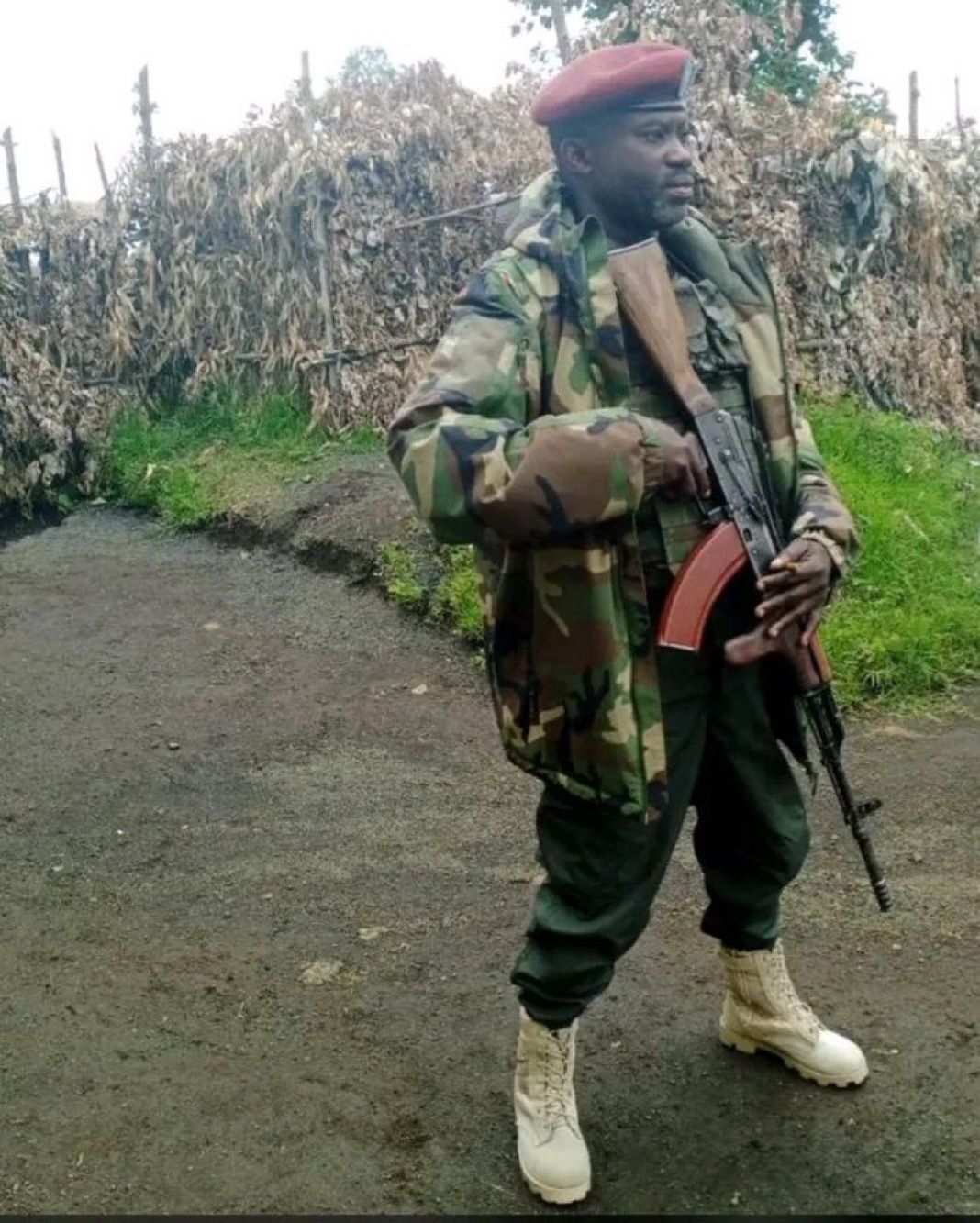
The United States Department of the Treasury has finally taken action against a key figure in the Rwandan-backed armed group operating in eastern Democratic Republic of the Congo. On June 2, 2026, John Imani Nzenze, the intelligence chief of the M23 rebel movement, was sanctioned for his role in orchestrating years of violence, pillaging, and forced displacement.
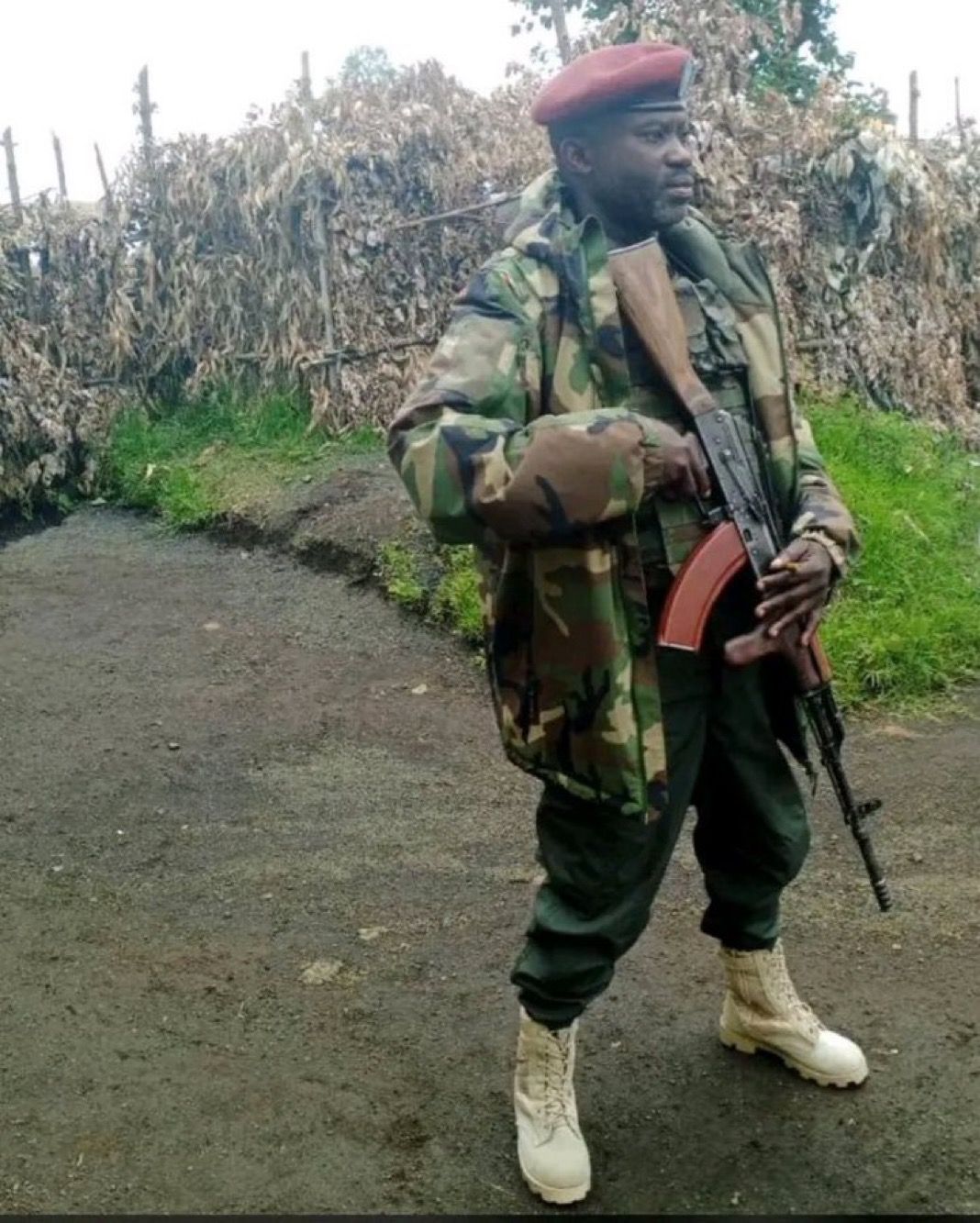
The sanction, though long overdue, sends a strong signal against a decades-old strategy of destabilization that has plagued the eastern DRC. Nzenze is no stranger to armed rebellion; he has been a central figure in multiple Rwandan-backed insurgencies since the late 1990s, including the RCD, CNDP, and now the M23.
a career built on conflict and exploitation
Nzenze’s involvement in armed groups traces back to the late 1990s, when Rwanda and Uganda invaded eastern Congo under the pretext of fighting rebel groups. The Rwandan government then established the Rassemblement congolais pour la démocratie (RCD) as a proxy force to mask its military occupation and exploitation of Congo’s mineral wealth. Nzenze, alongside others like Sultani Makenga, was part of this initial rebellion.
After the RCD, he transitioned into the CNDP under Laurent Nkunda, another Rwandan-backed militia accused of war crimes. A brief integration into the Congolese army in 2009, following peace agreements, proved to be short-lived. By 2012, Nzenze and Makenga defected once again, reviving the M23 rebellion under the same Rwandan support structure.
the m23’s reign of terror
Since its resurgence in late 2021, the M23 has been linked to widespread atrocities in eastern Congo. Reports from the United Nations, international NGOs, and Western governments accuse the group of systematic human rights violations, including summary executions, civilian bombings, forced recruitment, sexual violence, targeted assassinations, and illegal mining operations. Thousands have fled their homes in North Kivu, with rebel forces and their Rwandan allies seizing control of key mining zones like Rubaya.
At the heart of this military-intelligence apparatus was Nzenze, whose role extended beyond mere combat. His unit was reportedly responsible for infiltration, tracking opposition figures, monitoring local populations, and coordinating with covert Rwandan Defense Forces (RDF) units operating inside Congo.
a delayed but symbolic response
For years, the M23 and its Rwandan backers evaded accountability despite damning UN expert reports documenting direct Rwandan involvement. The U.S. sanctions against Nzenze mark a belated recognition of a long-standing grievance voiced by Congolese authorities and victims. Yet, many observers question why only a few individuals face penalties while the broader machinery of war—funding, arms supply, and strategic control—remains untouched.
The underlying issue is a regional strategy that has persisted for nearly three decades: maintaining instability in eastern DRC to secure access to its natural resources and sustain military and economic influence over Congolese territory.