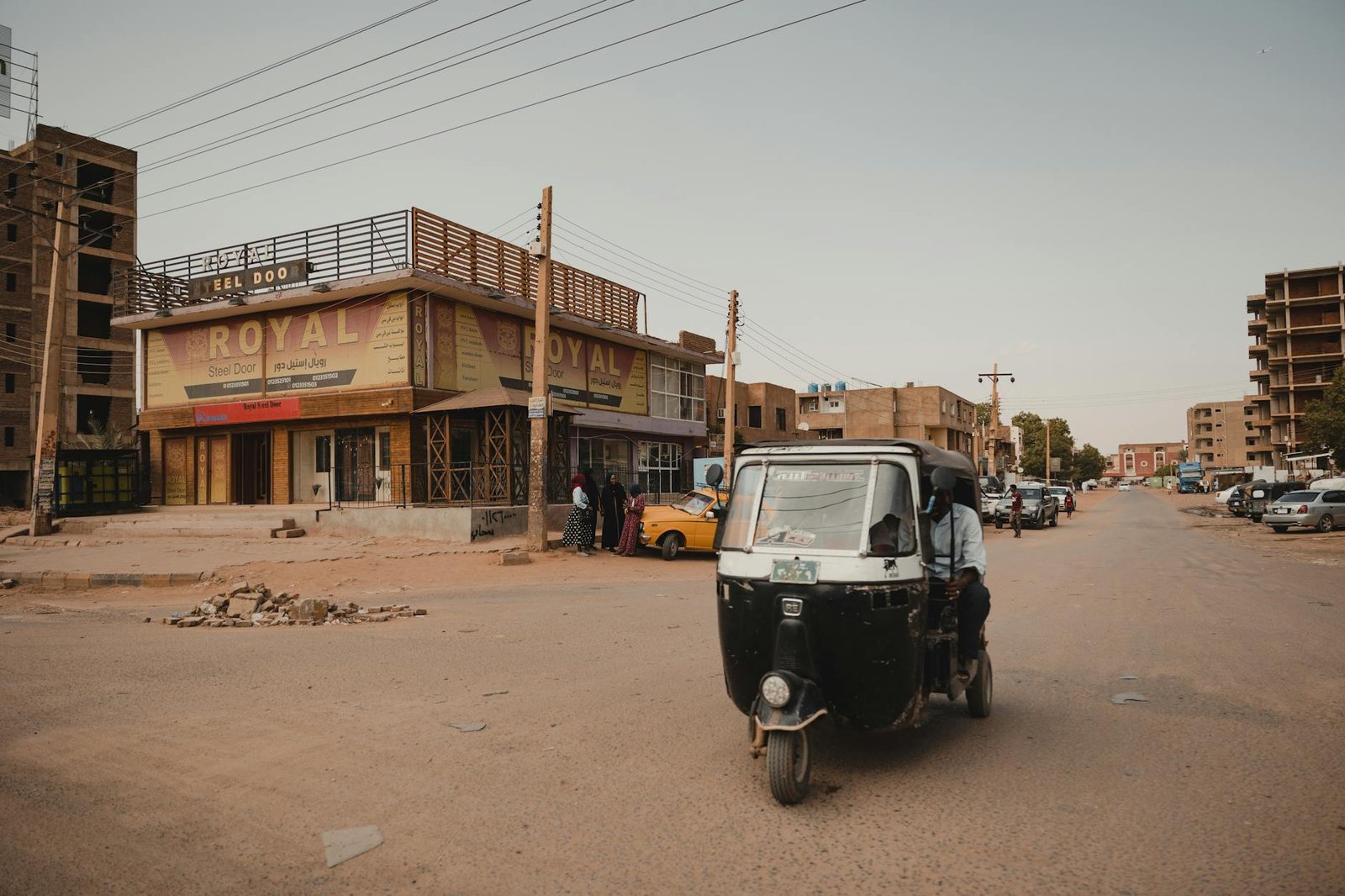
In Mali, the al-Qaeda-linked jihadist organization Jnim has significantly escalated its blockade. Over the past weekend, at least ten coaches were set ablaze on the critical Ségou-Bamako route, a vital supply corridor for the capital from the eastern part of the country. Simultaneously, electrical infrastructure connected to the Manantali hydroelectric dam, located in the Kayes region, suffered targeted destruction. The Malian army, despite maintaining operations on multiple fronts, has yet to effectively loosen the economic stranglehold tightening around the nation.
Manantali: a strategic target in a war of attrition
The destruction of equipment linked to the Manantali dam is far from a minor incident. This crucial dam, managed multilaterally with Mauritania and Senegal under the Organisation for the Development of the Senegal River (OMVS), represents a cornerstone of Mali’s national electricity grid. By attacking its power evacuation lines, Jnim is no longer solely targeting defense and security forces; it is striking at the very heart of the urban economy. Power outages in these areas immediately lead to the paralysis of public services, businesses, and industries.
This aggressive strategy extends a campaign that has been ongoing for several weeks, characterized by the systematic targeting of fuel convoys originating from Senegal and Côte d’Ivoire. The jihadists aim to leverage hydrocarbon shortages into political pressure, banking on eroding popular support for the transitional authorities led by General Assimi Goïta. Bamako, a city long relatively untouched by such direct economic warfare, is now becoming the central stage for this battle of attrition, a significant development in current African politics.
Army response and partial restoration of flows
In response to this multifaceted offensive, the Malian general staff reports ongoing ground and air operations across various regions. Military escorts have facilitated the entry of hundreds of tanker trucks into Bamako in recent days, providing temporary relief to the besieged service stations. However, this logistical respite remains precarious; each convoy demands considerable resources, and the long-term security of national roads appears beyond immediate reach.
The Malian Armed Forces (FAMa) are also contending with a complex challenge. In the west and center, Jnim continues to launch ambushes and destroy infrastructure. Further north, in the Kidal region, a tense stalemate persists, with new clashes seeming inevitable against the rebel groups of the Cadre stratégique permanent. The government in Bamako is thus fighting on two distinct fronts, with diminishing human and material resources.
A tightening regional equation
The Malian blockade now extends beyond national borders. Neighboring economies, particularly those of Senegal, Mauritania, and Côte d’Ivoire, are observing the deterioration of West African trade corridors with growing concern. The slowdown in goods traffic impacts the ports of Dakar and Abidjan, a significant portion of whose transit traffic was destined for the Sahelian hinterland. The Confédération des États du Sahel, comprising Mali, Burkina Faso, and Niger, is currently struggling to formulate a coordinated response to the economic warfare waged by jihadist groups, a topic of increasing importance in African news today.
Finally, the attack on Manantali raises critical questions about shared installations within the OMVS framework. Any further damage would directly impact the electricity supply of Senegal and Mauritania, transforming what began as a Malian issue into a broader regional problem. External partners, including donors and military suppliers, will need to weigh their support for Bamako’s asserted sovereignty against the imperative to protect critical cross-border infrastructure.
On the ground, the stark contrast between the army’s operational claims and the reality of a capital under immense pressure highlights the unprecedented nature of this phase of the conflict. Jnim is no longer merely seeking to control territory; it aims to suffocate an entire state.