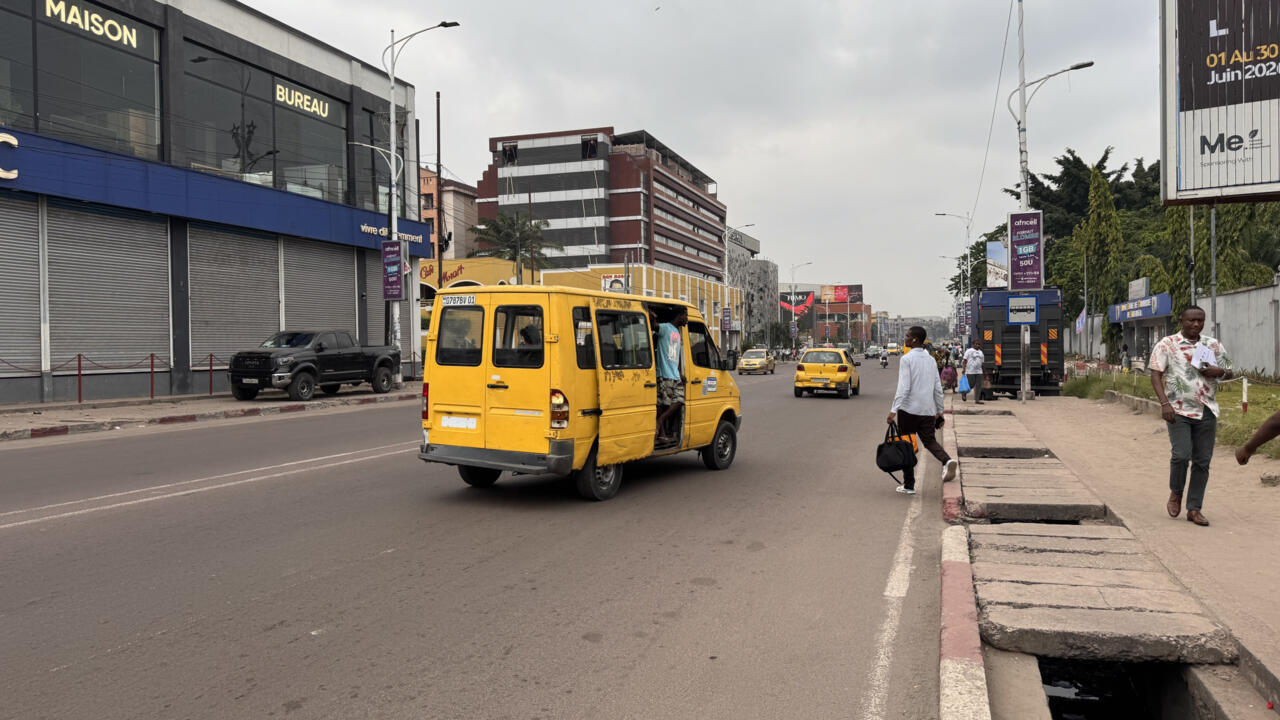
The Democratic Republic of Congo’s vibrant capital, Kinshasa, recently experienced an unusual quiet as the political opposition staged a “journée ville morte” (ghost town day). This significant demonstration was organized to vehemently protest against any proposed changes to the national Constitution, a move that has sparked considerable debate across Africa politics. The critical question now revolves around the true impact of this strategic maneuver: did it successfully convey the opposition’s message and mobilize public sentiment against the potential constitutional overhaul, a key piece of African news today?
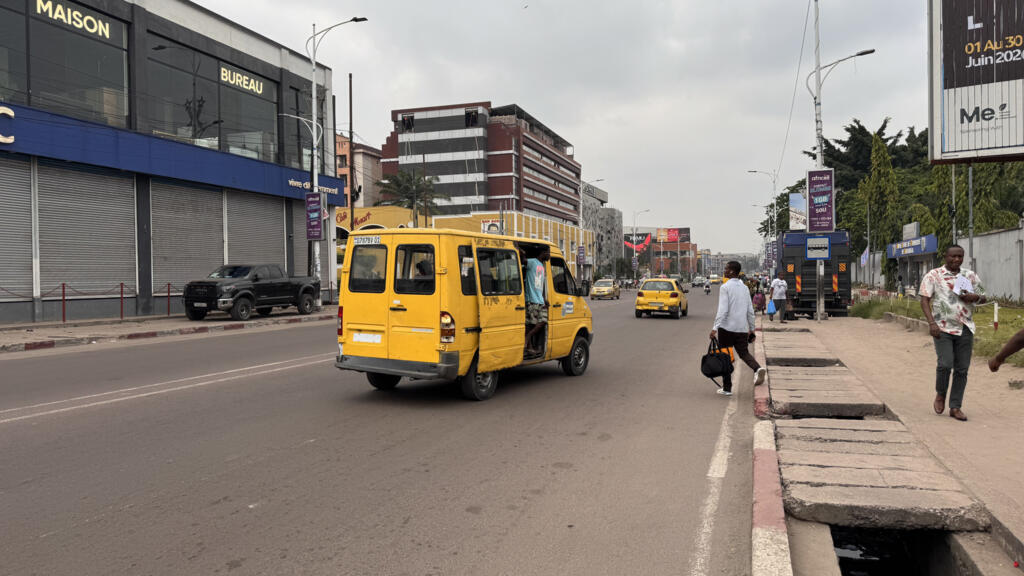
On June 3, 2026, downtown Kinshasa indeed saw notably subdued traffic, as captured in various observations throughout the day. This visible reduction in activity suggests a degree of public adherence to the opposition’s call. However, the true measure of its success lies not just in the quiet streets, but in its ability to influence the ongoing political discourse surrounding constitutional reform. This event adds another layer to the complex tapestry of African society news, highlighting the power dynamics at play.
As the dust settles, analysts are now pondering the long-term effectiveness of this “journée ville morte” strategy. Will this form of civil disobedience prove to be a potent tool for the opposition, or will the ruling power dismiss it as a temporary disruption? The next steps in this political confrontation in the DRC will undoubtedly shape the nation’s future and remain a key focus in pan-African current affairs.