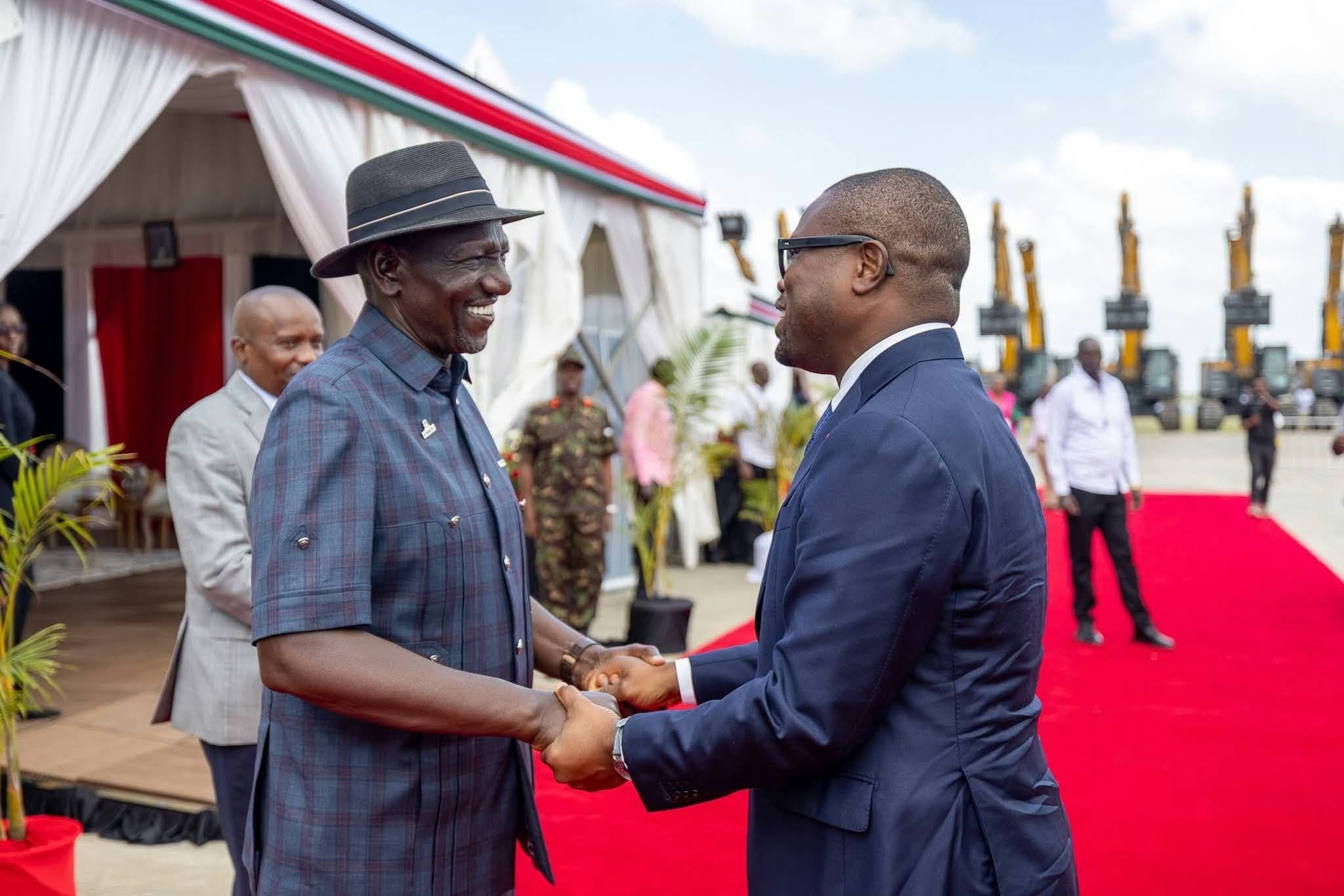
Lamu, Kenya — Benin’s president Romuald Wadagni stood alongside a roster of African leaders on Wednesday as the East African refinery project championed by Nigerian billionaire Aliko Dangote officially broke ground on Kenya’s northern coast. The ceremony drew heads of state and government from across the continent, but it also opened a wider conversation about what such mega-projects deliver — and who ultimately benefits.
Who was in the room at Lamu
Wadagni was joined by Ugandan president Yoweri Museveni, Togolese president Jean-Lucien Savi de Tové, Ethiopian prime minister Abiy Ahmed Ali and Kenyan president William Ruto. Bringing together West and East African leaders in one place signalled that the venture is being framed as more than a national Kenyan undertaking.
For Cotonou, the trip was an opportunity to watch how large-scale African industrial investment is structured and to weigh the possibilities for cross-border economic cooperation.
The numbers behind the headlines
According to details shared around the project, the refinery carries a price tag of $16 billion — roughly 8,960 billion CFA francs. Once operational, it is expected to process 700,000 barrels of crude per day.
That capacity would rank it among the continent’s largest industrial complexes and, by the figures announced, make it East Africa’s biggest refining project. The scale explains why the launch attracted so much political attention.
Why this project matters beyond Kenya
The timing reflects a broader push by several African states to process more of their raw materials at home and cut reliance on imported refined petroleum products. Energy infrastructure is increasingly central to strategies built around development, economic sovereignty and regional integration.
If the Lamu refinery advances as planned, it would require substantial capital and could spawn an industrial ecosystem spanning energy, transport and logistics.
What comes next — and the questions that follow
The groundbreaking is only the beginning. Delivering a project of this size means years of construction, financing and coordination, and observers will be watching whether the announced capacity materialises on schedule.
Public debate is likely to focus on jobs, local content, environmental impact along the coast and how the refined output will be priced and distributed across the region. For now, Lamu has become the stage on which Africa’s industrial ambitions — and the scrutiny that comes with them — are being played out.
Comments are closed, but trackbacks and pingbacks are open.