In a move that blends political calculation with calculated withdrawal, former President Laurent Gbagbo has announced his formal exit from the leadership of Côte d’Ivoire’s PPA-CI party. Yet observers note how this departure is more symbolic than substantive—maintaining his influence over the party’s future trajectory while stepping back from day-to-day operations.
Strategic maneuvering in Ivory Coast’s political landscape
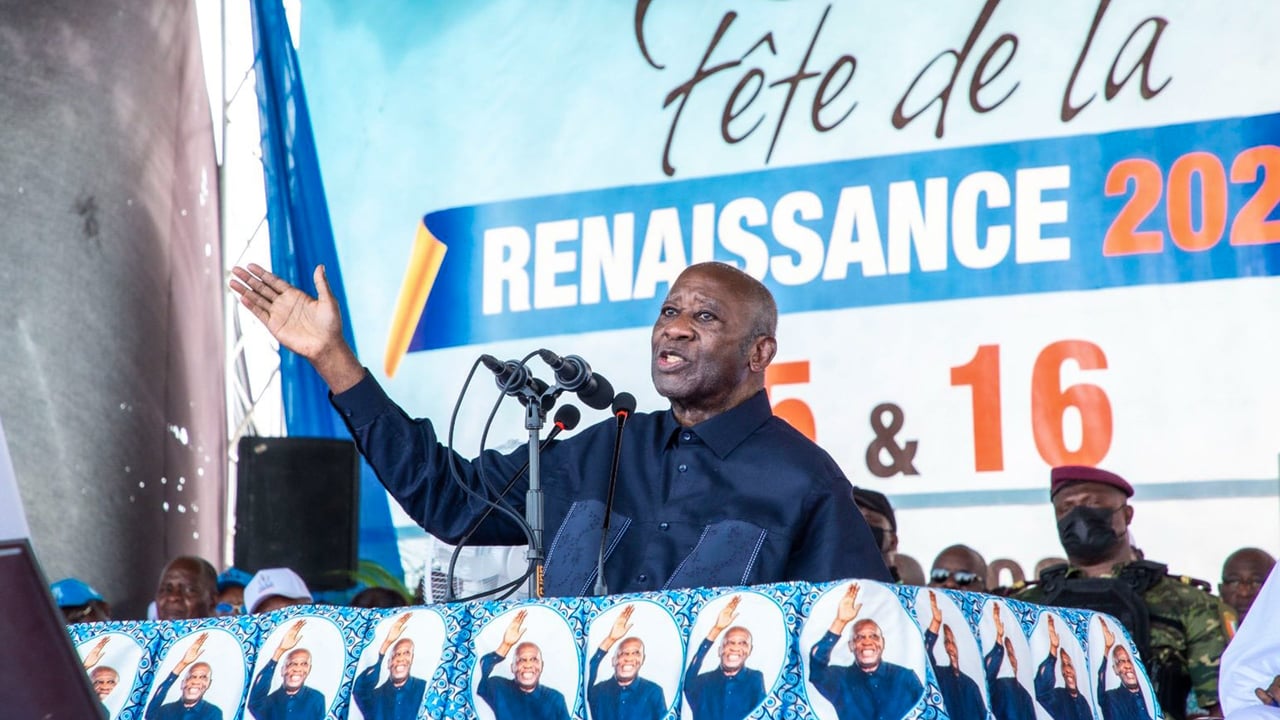
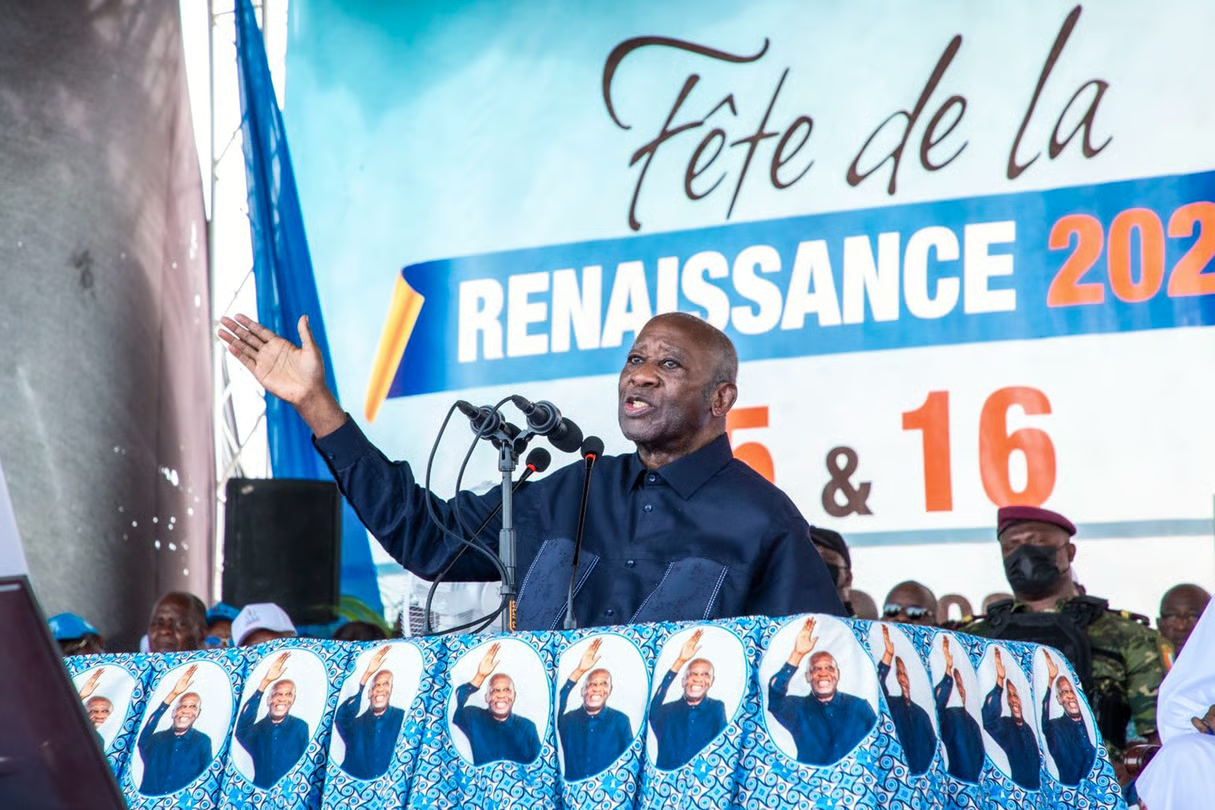
The announcement, delivered during a public address at the Fête de la Renaissance in Songon, marked a significant shift in PPA-CI’s internal dynamics. While Gbagbo formally relinquished his official title, his presence remains palpable through a carefully orchestrated transition plan that ensures his ongoing guidance behind the scenes.
Party insiders describe this move as a calculated retreat rather than a full withdrawal. Key decisions continue to flow through Gbagbo’s inner circle, with trusted allies positioned to steer the party through the upcoming electoral cycles. This strategy allows him to maintain political relevance while creating space for new leadership to emerge.
What this means for Côte d’Ivoire’s future
- Succession planning: The transition highlights Gbagbo’s intent to shape the party’s future direction without holding formal office. His influence will likely extend to candidate selection and policy frameworks.
- Party unity: By stepping aside, Gbagbo may be attempting to ease internal tensions while ensuring the party remains united ahead of crucial elections.
- Electoral strategy: The move positions PPA-CI to appeal to a broader electorate while retaining its core base of support.
Political analysts suggest that Gbagbo’s calculated withdrawal could be a response to both domestic pressures and regional expectations. His ability to balance visibility and influence in this manner demonstrates a sophisticated understanding of Ivory Coast’s evolving political climate.
Reactions and implications
The announcement has sparked discussions across Ivory Coast’s political spectrum. Supporters view it as a pragmatic step toward modernization, while critics argue it reflects an entrenched resistance to genuine change within the party. The coming months will reveal whether this transition strengthens PPA-CI or deepens existing divides.