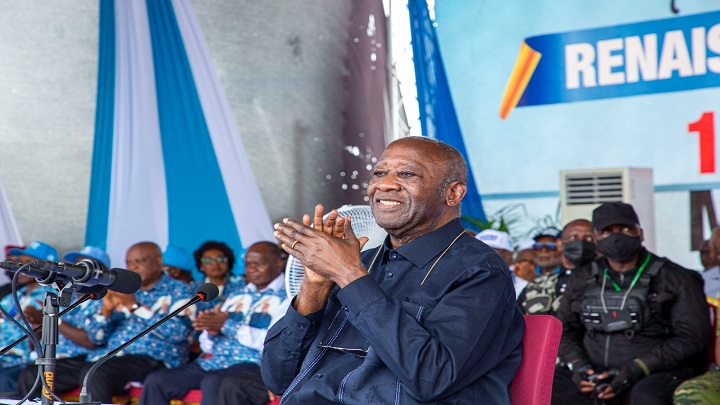
Within the dynamic political arena of Côte d’Ivoire, a significant debate continues to unfold regarding the future leadership of the Parti des Peuples Africains – Côte d’Ivoire (PPA-CI). The party’s influential leader, Laurent Gbagbo, has chosen to maintain a deliberate lack of clarity concerning who might eventually succeed him at the organization’s helm. This calculated ambiguity keeps both political observers and dedicated party members engaged in a constant guessing game about the long-term trajectory of this crucial Ivorian political entity.
The absence of a definitive succession strategy from Gbagbo, a figure frequently highlighted in African news today and a subject of extensive coverage across The Panafrican Press, naturally fosters an environment ripe for speculation. Inside the PPA-CI, this ongoing uncertainty could potentially either stimulate internal competition among aspiring leaders or, conversely, reinforce Gbagbo’s current unchallenged authority. The path taken will significantly impact the party, which is actively working to consolidate its position within the nation’s evolving political landscape and prepare for future electoral challenges.
The internal developments of the PPA-CI carry considerable weight for the broader political stability of Côte d’Ivoire. As a prominent subject within discussions on Africa politics English, the party’s eventual leadership transition is poised to exert influence over the country’s delicate political equilibrium. This particular situation is closely monitored as a key aspect of pan-African current affairs, often seen as indicative of wider trends in political leadership transitions across the African continent.
Many eyes are fixed on Gbagbo, a seasoned and shrewd political strategist, as he navigates this critical period. His decision to intentionally leave the succession question open, rather than designating a clear successor, might serve as a tactic to avert premature internal divisions or to ensure his sustained influence over the party’s direction. Regardless of the underlying motivations, this carefully managed ambiguity guarantees that the PPA-CI’s leadership succession remains a consistently central topic in African society news and the broader political discourse.