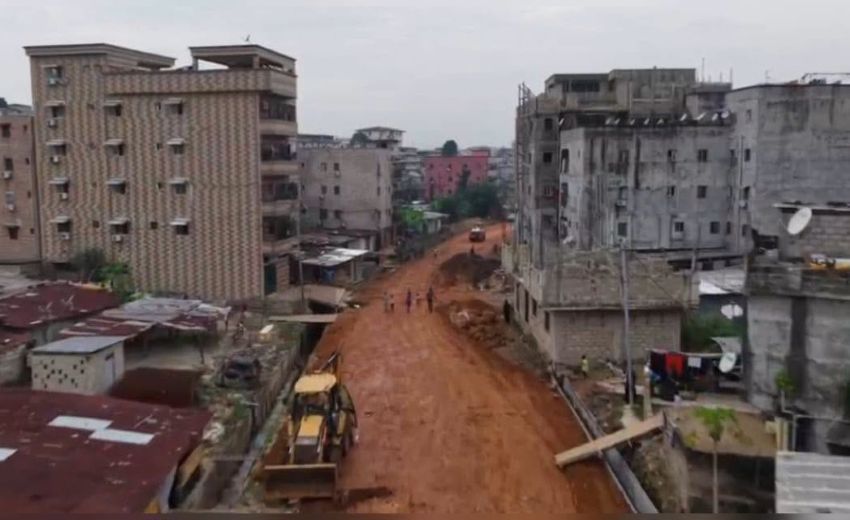
Libreville’s urban renewal: balancing order and social realities
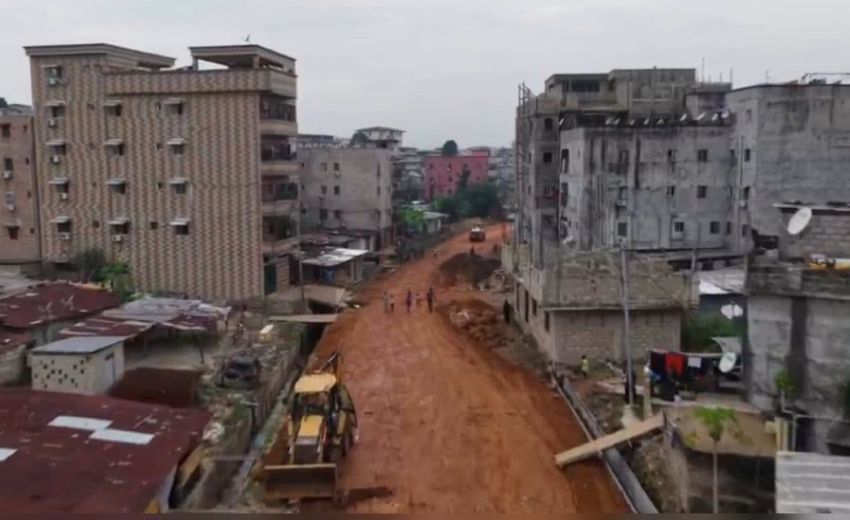
Libreville, July 13, 2026 – The countdown has begun in Libreville. Mayor Eugène M’ba’s July 10 ultimatum expires in hours, marking the start of a decisive phase in the capital’s sanitation drive. Demolitions, evictions, and the dismantling of unauthorized structures will unfold across the city, targeting illegal markets, makeshift garages, and abandoned vehicles clogging public spaces.
The municipality’s mission is unambiguous: reclaim urban order, restore mobility, and elevate Libreville’s image as a modern, clean, and attractive capital. Years of unchecked encroachment—where sidewalks, intersections, and even roadways have been repurposed for commerce—have left the city gasping for breath. The urgency of this intervention is no longer debatable; a capital city cannot thrive amid such chaos without jeopardizing public health, safety, and economic appeal.
Yet as the deadline looms, a critical question emerges. Is this campaign merely about enforcement—or does it signal an opportunity for deeper transformation?
Beyond demolition: addressing root causes
Critics acknowledge the necessity of restoring order but argue that a sustainable solution demands more than bulldozers and eviction notices. A forward-thinking municipality must do more than enforce rules; it must anticipate social shifts and craft lasting solutions.
The informal economy thriving in Libreville’s public spaces reflects deeper systemic issues: youth unemployment, meager household incomes, skyrocketing commercial rents, and a lack of accessible retail spaces. When livelihoods depend on occupying sidewalks or abandoned lots, displacement without alternatives only delays the problem. History shows that evictions without relocation strategies often lead to the reoccupation of new spaces—just elsewhere in the city.
Examples from African metropolises like Lagos, Kigali, Abidjan, and Casablanca reveal a common lesson: urban modernization requires a delicate balance between regulation and social inclusion. Discipline alone cannot build a city; it must be paired with opportunity.
Building a city for all
The challenge now is to move beyond surface-level cleanup. What Libreville truly needs is a new urban contract—one that pairs enforcement with tangible support. Creating designated markets for small traders, reserving zones for artisans, formalizing informal businesses, and fostering dialogue between residents and municipal services could turn this operation into a lasting public policy.
As urban planner Raphaël Mouissi-Ntoko observes, treating symptoms without addressing the disease yields only temporary relief. The same principle applies to cities: without addressing the economic drivers behind informal occupation, no amount of demolition will prevent its recurrence.
A turning point for Libreville
This campaign could mark a pivotal moment for Libreville—not just as a sanitation drive, but as the foundation for a more inclusive, sustainable urban future. The municipality now holds a rare chance to prove that order and empathy are not mutually exclusive. It can enforce laws while nurturing opportunity, enforce rules while listening to realities on the ground.
The stakes transcend sidewalks and unauthorized structures. They encompass Libreville’s ability to reconcile rapid population growth, economic development, and social cohesion in the 21st century. The city has acted decisively to address a critical situation. The coming weeks will determine whether this effort becomes a mere administrative victory—or the first step toward a more equitable, resilient capital.
Comments are closed, but trackbacks and pingbacks are open.