LVMH and Gabon forge alliance for sustainable luxury ingredients
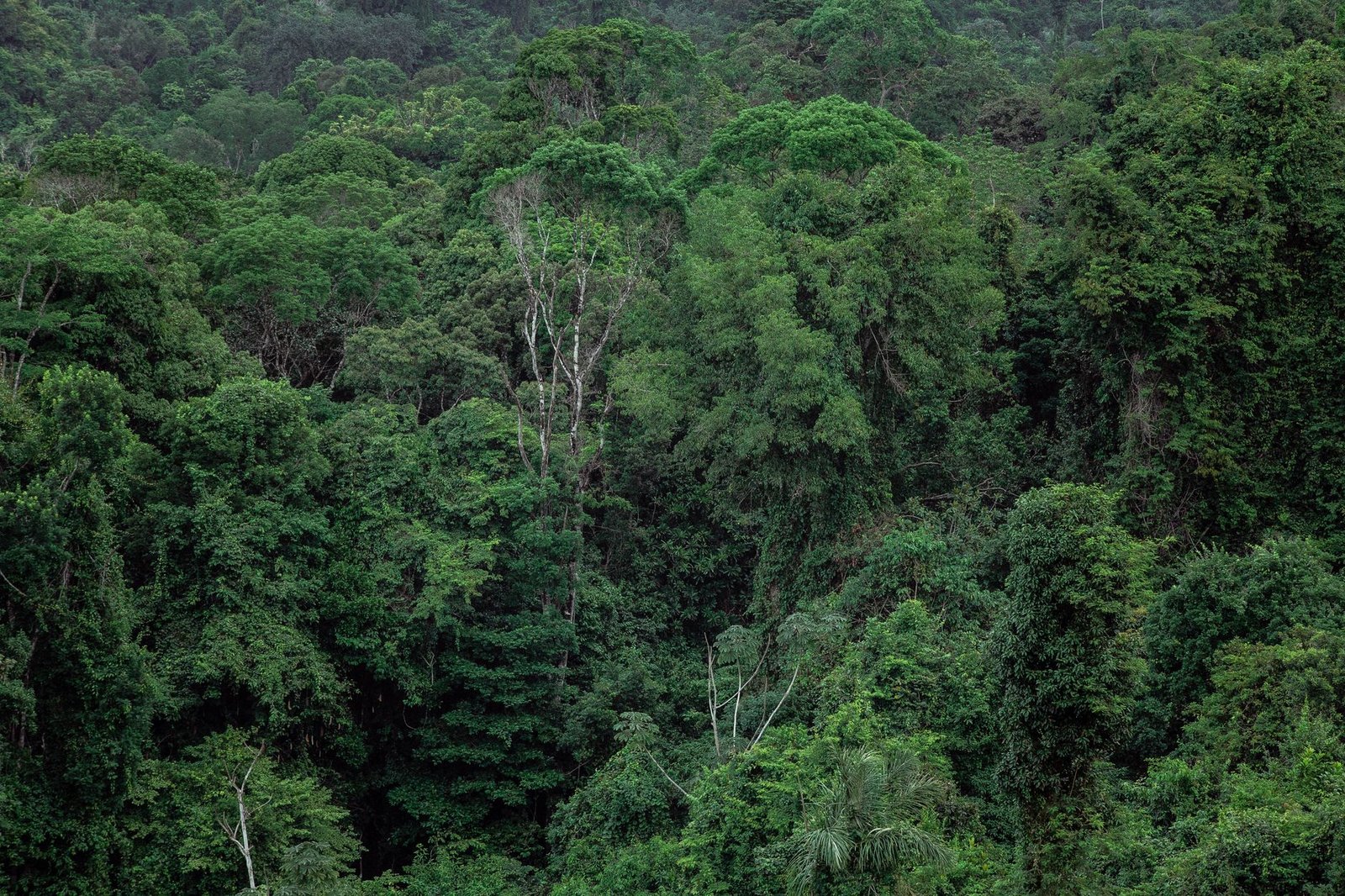
French luxury giant LVMH, led by Chairman and CEO Bernard Arnault, is finalizing an exploratory agreement with Gabon’s Agency for Green Economy Development (Agadev). The upcoming deal, set to be signed in Paris, centers on securing reliable supplies of non-timber forest products from Gabon’s vast tropical forests. Discussions are advancing rapidly ahead of an upcoming official visit, marking a new chapter in economic diplomacy between Gabon and European luxury sectors.
Iconic Gabonese forest treasures: moabi and odika
At the heart of this partnership are two Gabonese botanical icons: the moabi, a towering tree reaching up to 60 meters, whose oil is prized for its exceptional cosmetic and nutritional properties, and the odika — also known as wild chocolate or African mango — whose aromatic seed is increasingly coveted by high-end perfume laboratories. Once confined to local village economies, these non-timber forest products are now ascending to the ranks of premium ingredients in European luxury goods.
Rising demand for rare, traceable botanicals
LVMH’s focus reflects a broader industry shift. Global luxury brands are actively seeking exclusive, sustainably sourced botanicals to enhance product storytelling and differentiation. The moabi and odika deliver both rarity and geographic authenticity — key attributes in the formulation of high-end collections. As African biodiversity gains recognition in global markets, these forest treasures are transitioning from subsistence use to strategic value in international supply chains.
Gabon’s green economy strategy gains momentum
Established to reduce reliance on oil revenues, Agadev is leading Gabon’s push to monetize its natural capital responsibly. With nearly 88% of its land covered by dense rainforest, the country is prioritizing the development of sustainable forest product value chains. For Libreville, securing a partnership with a global leader like LVMH would not only validate its green economy strategy but also signal the country’s readiness to integrate into high-value international markets.
The collaboration presents a critical opportunity: to move beyond raw material exports and capture greater value locally. By working with a conglomerate with an annual turnover exceeding €80 billion and brands such as Dior, Guerlain, and Louis Vuitton, Gabon can scale production, improve processing, and build resilient rural livelihoods through structured forest cooperatives.
Traçability and sustainability as cornerstones of the deal
The timing of the agreement aligns with shifting global standards. New European regulations now require strict proof of origin and deforestation-free supply chains for tropical forest products. Gabon, already tracking its forest cover via satellite and maintaining a positive carbon balance, is well-positioned to meet these demands — provided local harvesting and processing chains are formalized and certified.
Success hinges on more than goodwill. Village cooperatives must be equipped to ensure consistent quality, volume, and traceability from harvest to export. With the global hunt for rare botanicals intensifying, Gabon’s moabi and odika could set a benchmark for ethical and sustainable sourcing — a model that other African forest-rich nations may soon emulate.
Looking ahead: a new era for Africa-Europe luxury partnerships
Beyond symbolism, this potential agreement could pave the way for similar collaborations between European luxury houses and African governments. The Congo Basin, home to one of the world’s richest pharmacopeias, remains largely untapped at industrial scale. As demand for authentic, traceable ingredients grows, Gabon’s forest resources could become a cornerstone of Africa’s integration into the global luxury economy — if managed with transparency, equity, and ecological integrity.
Comments are closed, but trackbacks and pingbacks are open.