On Friday, July 17, at 3:00 PM, a special flight bearing the name of former President Macky Sall touched down at Dakar’s military airfield, signaling a brief but highly calculated return to the country he once led for over a decade. The timing and agenda of his visit left little room for doubt: this was no ordinary stopover.
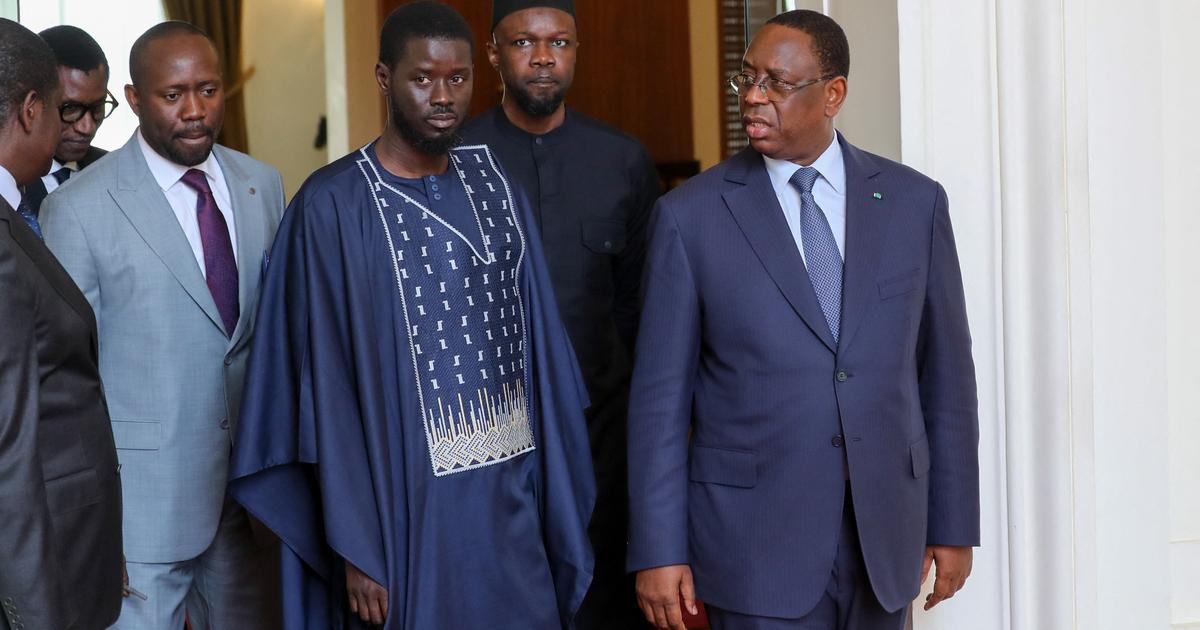
Within hours of landing, Macky Sall secured an immediate audience with the current head of state before boarding another plane to New York by 6:00 PM. The Senegalese capital had not witnessed such a rapid transit in years, and the purpose was clear. The former leader was not merely visiting his homeland; he was there as a candidate pursuing the top diplomatic position at the United Nations—a role that demands global influence and backing.
Yet his return did not go unchallenged. Macky Sall’s legacy remains deeply contested in Dakar. Critics point to the unresolved issue of hidden public debt and the political unrest that marked his final years in office, particularly between 2021 and 2024. Accusations of governance failures continue to resonate, amplified by activists and opposition figures who demand transparency and accountability from former officials. While no legal proceedings have directly implicated him, the calls for scrutiny have only grown louder, especially from supporters of the victorious 2024 presidential coalition.
A year ago, even his former Prime Minister dismissed rumors of a swift comeback. But now, as the world watches, Macky Sall’s ambitions extend far beyond Senegal’s borders. His high-stakes journey reflects a strategic pivot—one that seeks to reclaim relevance on the global stage while navigating the complexities of a nation still grappling with his past.