Assimi Goïta centralizes power in Mali’s government
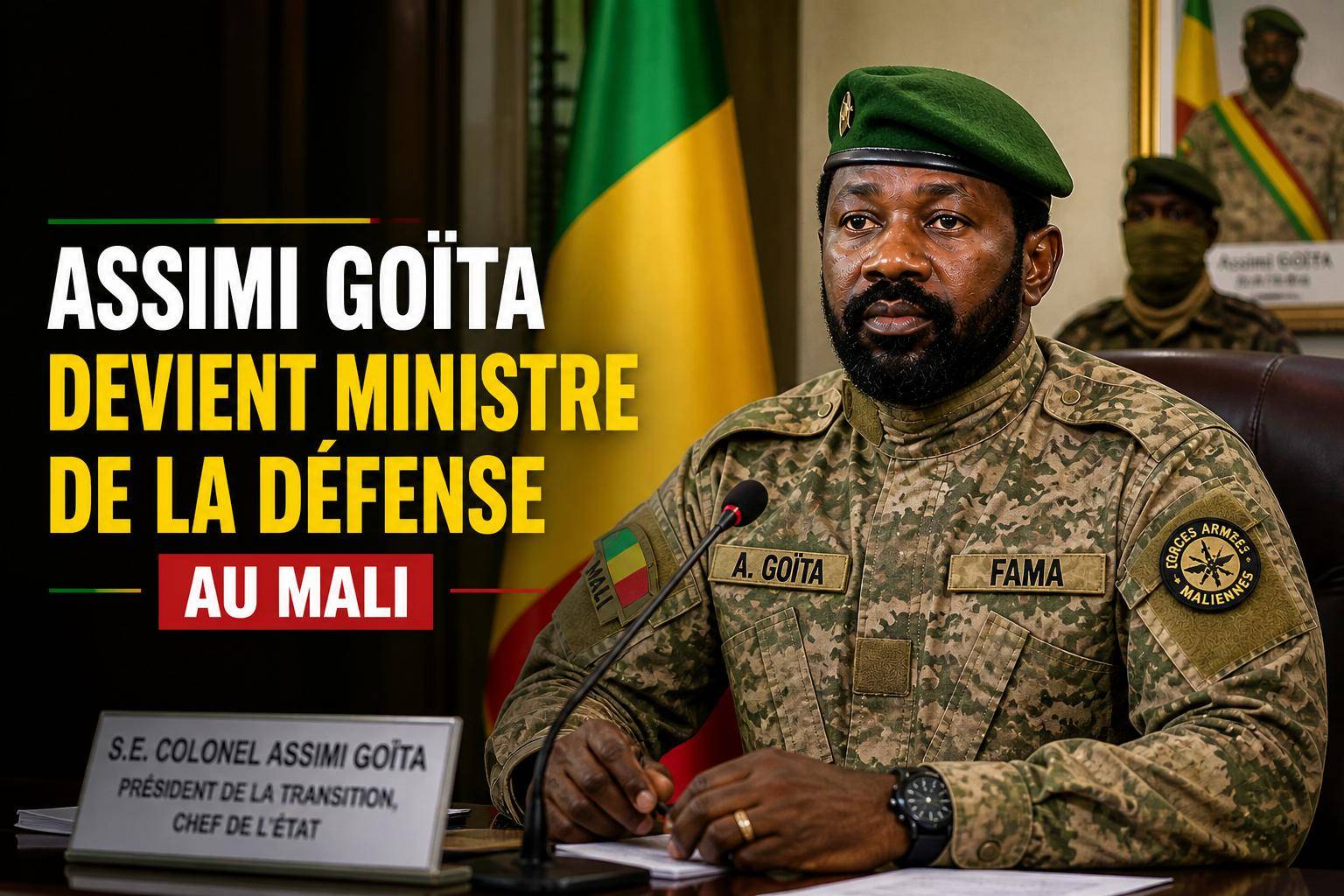
By assuming the role of Minister of Defense alongside his presidential duties, Colonel Assimi Goïta has consolidated authority in Bamako, signaling not just administrative changes but a potential acknowledgment of military strategy failures. The recent loss of Kidal to JNIM and FLA forces, coupled with doubts about Mali’s Russian military partnership, has plunged the nation into uncharted instability.
Kidal’s fall: a strategic setback for Mali
Once hailed as a triumph of sovereignty, Kidal’s recapture by armed groups has exposed critical weaknesses in Mali’s military approach. The JNIM and CMA/FLA have demonstrated superior tactical adaptability, isolating garrisons and severing supply lines, turning proclaimed victories into fleeting successes. The absence of civilian administration and persistent security vacuums have allowed insurgents to regain control rapidly.
Challenges of asymmetric warfare
The Malian army’s struggles highlight systemic issues in counterinsurgency efforts. Despite claims of operational improvements, the inability to hold recaptured territories underscores deeper structural problems within the defense apparatus.
Russia’s Wagner Group: an underperforming security partner?
Mali’s alliance with Russia, represented by the Wagner Group (now Africa Corps), was marketed as a sovereign alternative to French military support. However, operational results have fallen short of expectations. Reports of human rights abuses by Russian forces have fueled local grievances, while their tactical effectiveness is questioned following repeated ambushes on Malian military convoys.
Questions about Russian military support
With Russia embroiled in its own conflict in Europe, doubts persist over its ability to provide Mali with critical air and technical support. The Wagner Group’s scorched-earth tactics have done little to stabilize the region, instead exacerbating insecurity and fueling recruitment for terrorist organizations.
Regional isolation and diplomatic fractures
Mali’s withdrawal from ECOWAS to form the Alliance of Sahel States (AES) has intensified its diplomatic isolation. The decision to concentrate power under Goïta has been interpreted by neighboring countries as an authoritarian shift, complicating regional cooperation. The paradox is stark: Bamako seeks sovereignty through force while relying on opaque foreign alliances and a centralized command structure.
What future for Mali under centralized leadership?
For communities in central and northern Mali, security conditions continue to deteriorate. Daily attacks on civilian and military convoys underscore the escalating insurgency. Assimi Goïta’s dual role as President and Defense Minister represents a high-stakes gamble; without tangible improvements, public discontent—currently suppressed by heavy-handed security measures—could erupt into broader instability.
Reevaluating Mali’s security strategy
Historical precedents in Africa suggest that excessive concentration of power often precedes major instability. To break the cycle, Mali must reconsider its overarching strategy. Reliance on brute force and mercenary alliances has proven ineffective. A sustainable solution requires inclusive governance and a renewed focus on social reintegration in conflict zones. The time for war rhetoric is over; urgent political realism is needed to prevent the Malian state from unraveling in the shifting sands of the North.