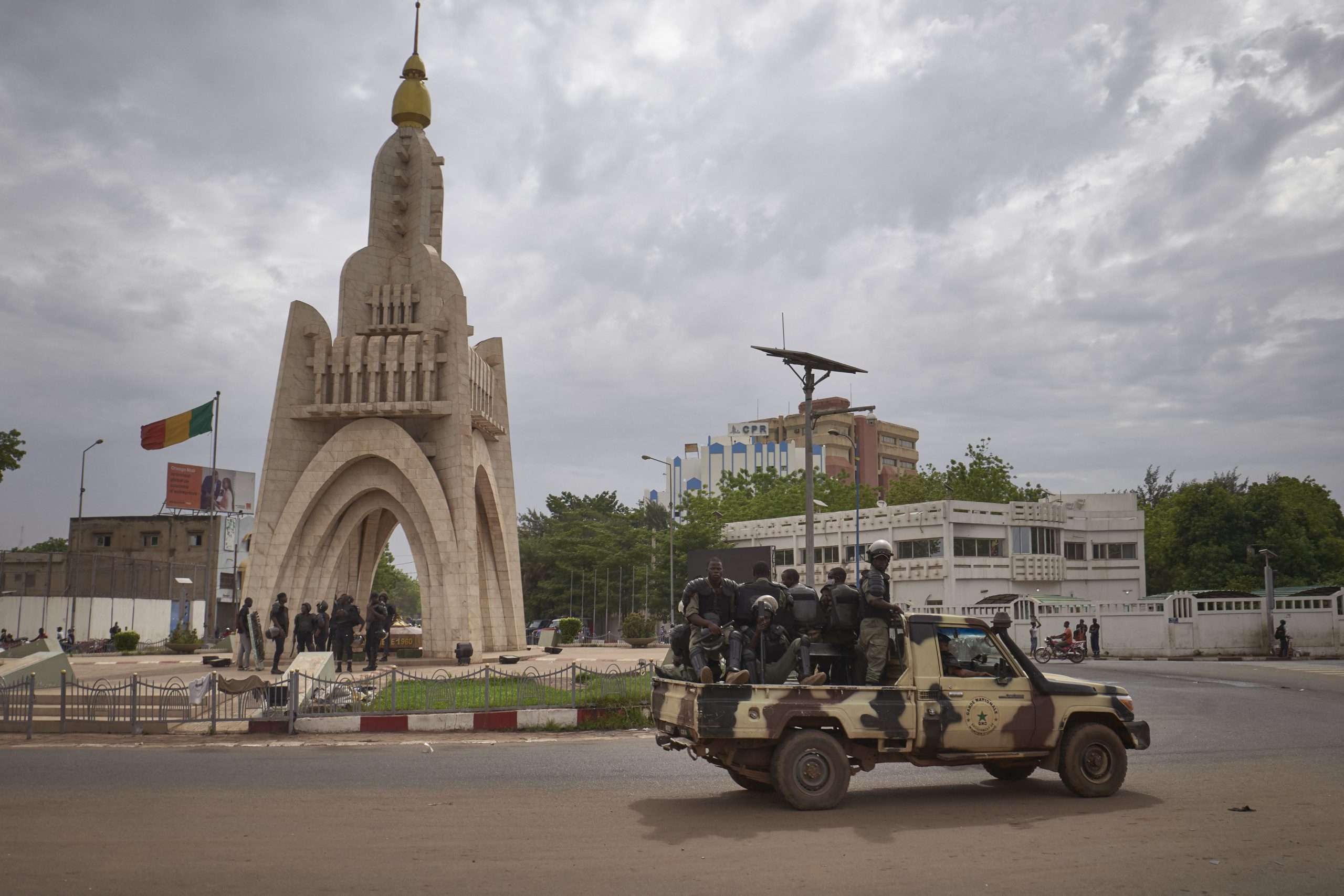
In response to Mali’s proposal to dissolve all political parties following consultations on the revision of the Political Parties Charter, Ousmane Diallo, Sahel Researcher at Amnesty International’s West and Central Africa Regional Office, issued a stern warning:
Such a move would represent a blatant violation of fundamental freedoms—specifically the rights to free expression and peaceful assembly. Authorities must halt their escalating crackdown on civic space and uphold the human rights of all citizens, including critics, human rights defenders, and opposition members.
Dissolving political parties would not only contradict the 2023 Transitional Constitution—which explicitly guarantees the right of political parties to form and operate freely under the law—but also breach Mali’s international human rights obligations. These include commitments under the African Charter on Human and Peoples’ Rights and the International Covenant on Civil and Political Rights, both of which Mali has ratified.
Why this proposal raises serious concerns
Since 2024, Mali’s military-led authorities have significantly tightened restrictions on political activity. Between April and July 2024, decrees were issued suspending all political party operations and banning media coverage of political events. Many parties had urged compliance with the Transition Charter and demanded elections to restore constitutional order.
The national dialogue convened in May 2024—widely boycotted by political parties—proposed extending the transition period until the country stabilizes. It also suggested stricter criteria for party formation and the elimination of public funding for political organizations.
In June 2024, 11 opposition leaders were arrested on charges of ‘conspiracy against state authority’ and ‘opposition to legitimate governance.’ They were granted provisional release in December 2024.
Comments are closed, but trackbacks and pingbacks are open.